The chancellor’s proposed income tax shuffle is clever accountancy but toxic politics — a pledge-break disguised as fiscal discipline, and proof that Labour has trapped itself in rules it cannot escape.
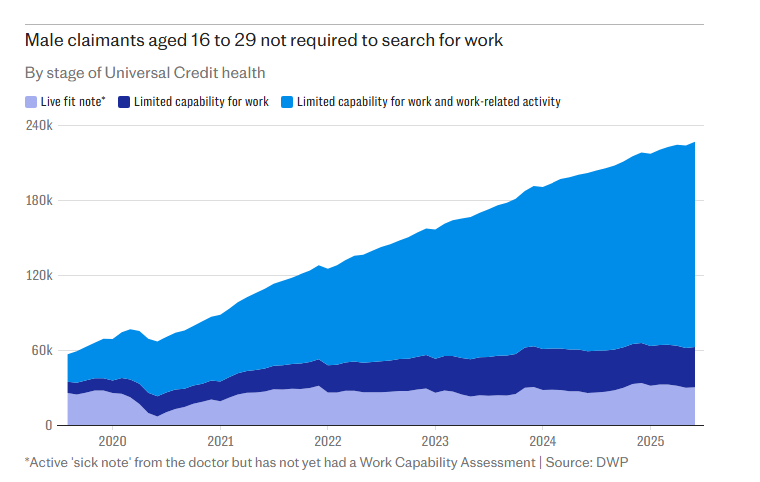
More than 200,000 young men aren’t “signed off for life”—they are the reserve army of labour, conscripted into the Telegraph’s morality tale to prepare the ground for austerity.
David Frost calls it a new “Red Terror.” The truth is plainer: it’s the Right’s wars, coups and crackdowns that have spilt the deepest blood in politics.
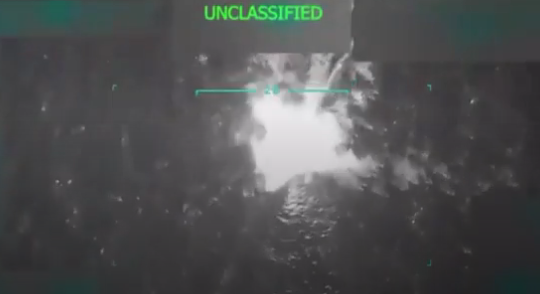
Trump’s latest “kinetic strike” killed three unknown Venezuelans he labelled “narco-terrorists.” The phrase is not law but incantation, a word that strips away humanity and legitimises killing. From Vietnam body counts to Obama’s “signature strikes,” America has always named its enemies into existence, and into death.
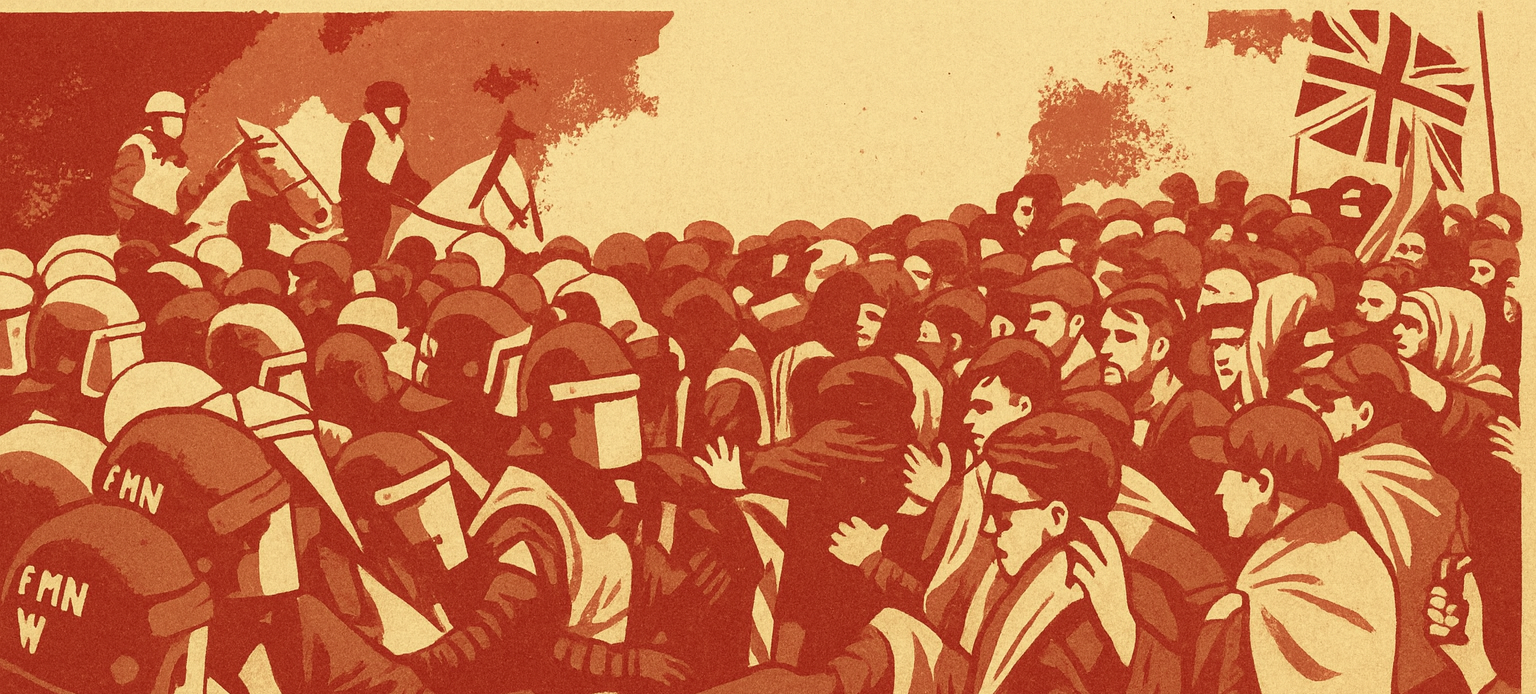
To call Robinson’s rally “populist” or “right-wing” is to miss the point. Fascism doesn’t require every marcher to be a coherent ideologue; it requires a mass, a scapegoat, and leaders prepared to turn grievance into violence. That is what we saw in London.
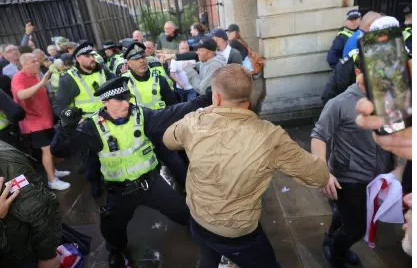
The events of Saturday (13/09) prove that Britain can go fascist. Musk calls for violence, the Telegraph and Times launder his words, and Starmer clings to the flag. We must name the danger or watch it grow.
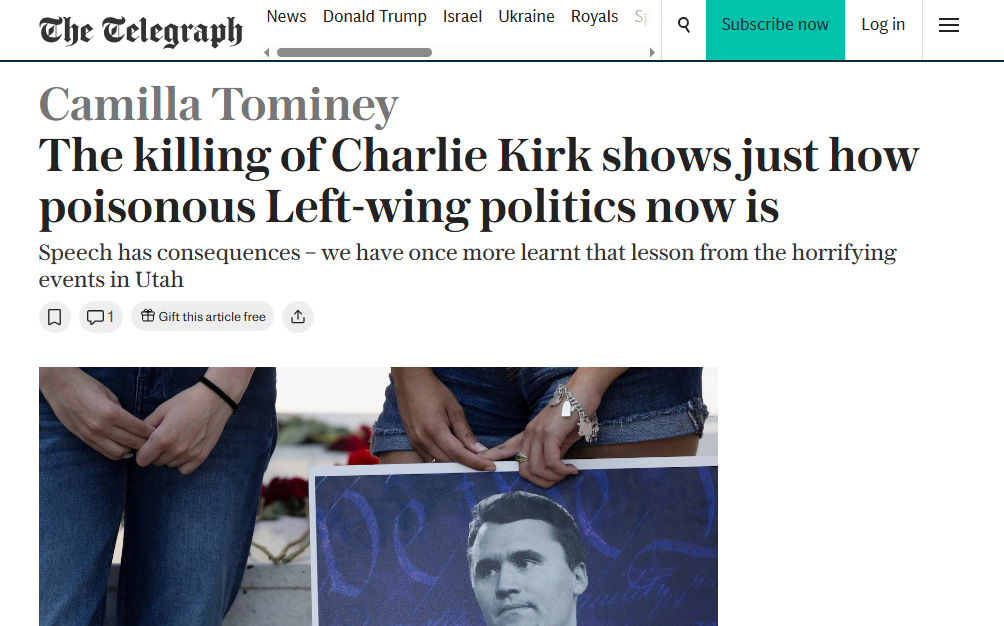
Camilla Tominey’s sainthood act for Charlie Kirk trades politics for piety. The Right already owns the machinery (press, finance, courts, police) and Kirk was part of the drive shaft. A death certificate doesn’t wash clean a career built on making violence respectable.
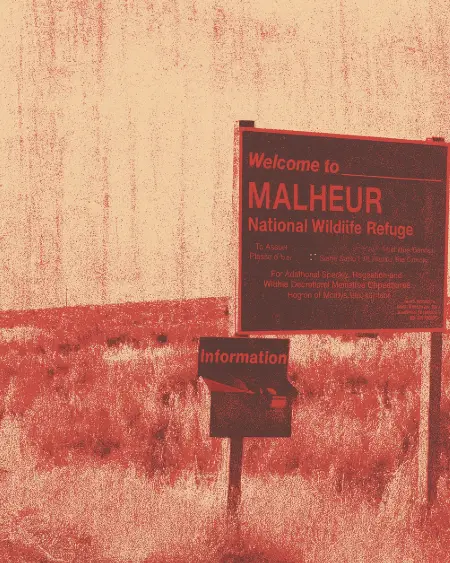
On James Pogue’s Chosen Country: A Rebellion in the West
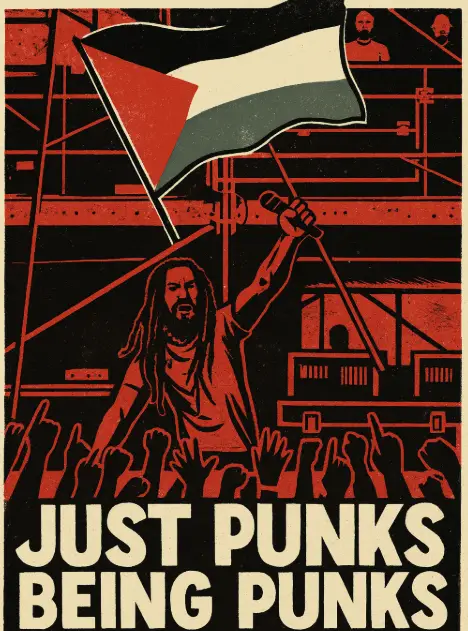
They came for Glastonbury, the BBC, and a punk band. Then they came for students, civil servants, and anyone else who dared speak clearly about Palestine. What we’re watching is not a debate—it’s a crackdown. Armed with legal threats, media outrage, and the ever-flexible label of antisemitism, Britain’s pro-Israel lobby doesn’t just influence politics. It polices speech. And when even a chant against a military force under ICC investigation is treated as hate speech, the message is clear: the violence can continue, but naming it is forbidden.

The ICE raid at Home Depot isn’t law enforcement. This is performance of sovereignty. Armed agents posing in camo and Kevlar to detain migrant day labourers is not about public safety, but about staging dominance. It’s capitalism enforcing its border through spectacle: a theatre of control, broadcast from a retail car park, where labour is criminalised and militarism is aestheticised. This isn’t about stopping migration. It’s about punishing poverty and reassuring power.
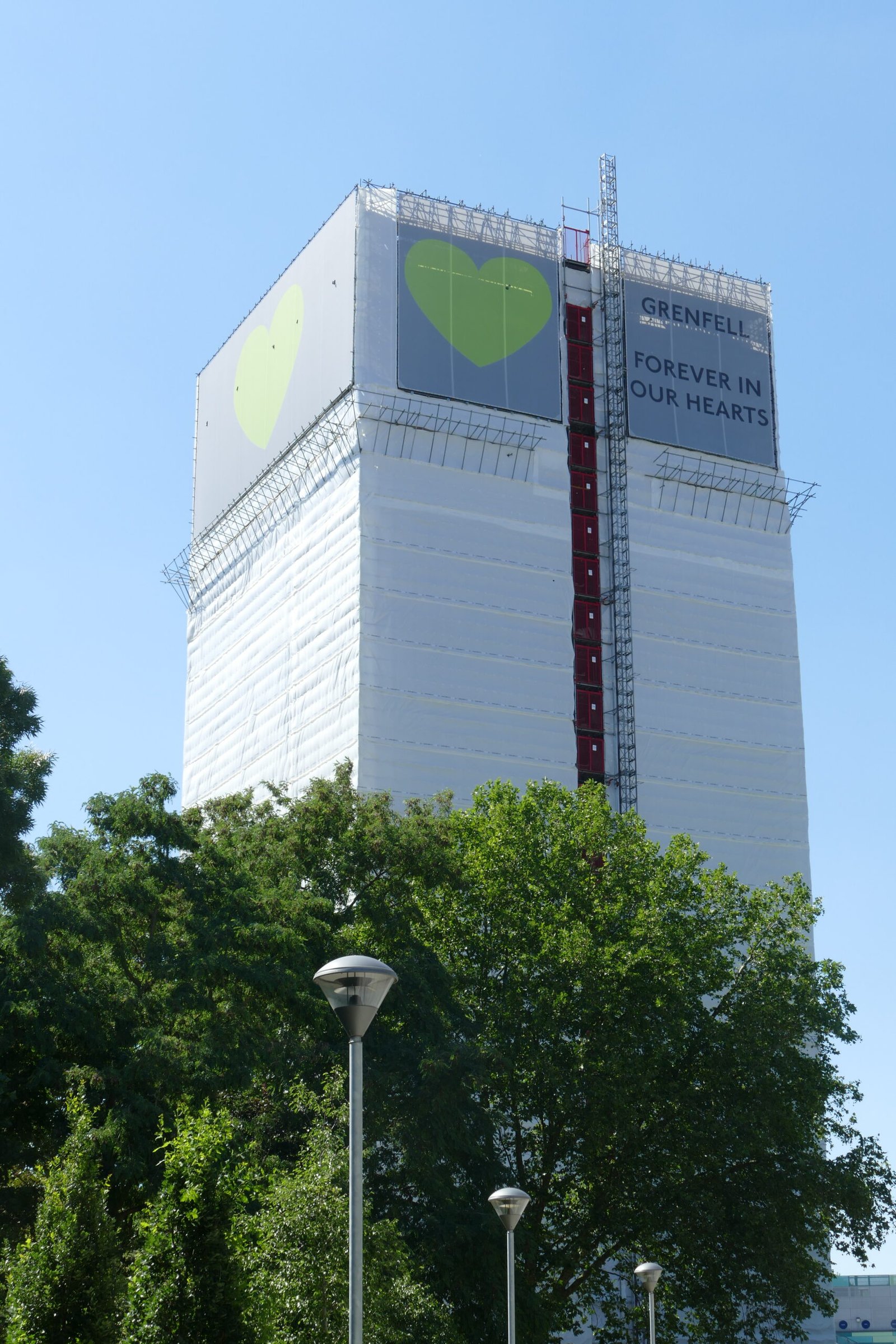
Eight years on, Grenfell remains a wound that hasn’t healed. Netflix’s documentary gives voice to the survivors, while Peter Apps’s account lays bare the systemic failures that made the fire inevitable, and the justice that still hasn’t come.
Trump hasn’t changed, he’s doing what strongmen do: cutting deals, starting wars, appeasing generals. It’s Dugin who’s panicking. The fantasy’s collapsing, so he calls it a globalist takeover. The world isn’t ending. Just his script.
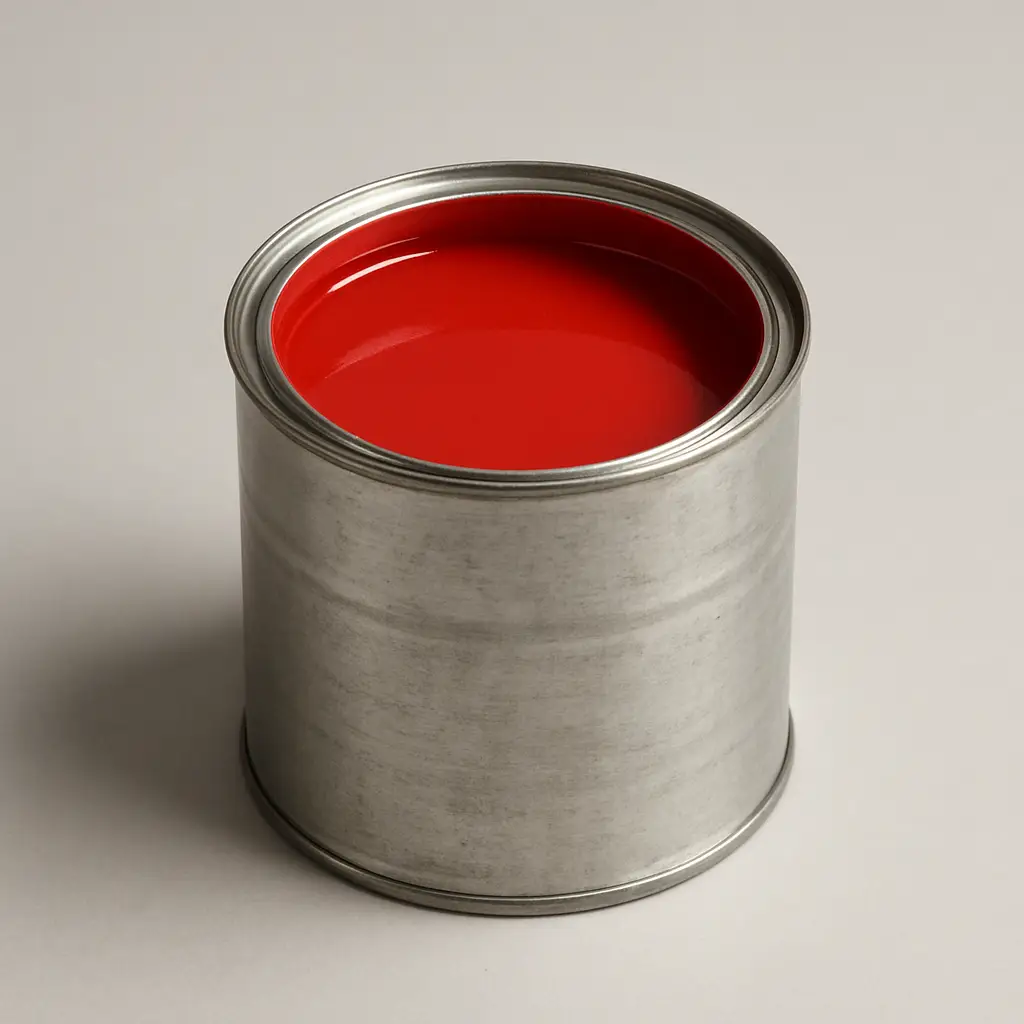
This is what it comes down to: the Labour government wants to put a group of activists who threw red paint at arms factories in the same legal category as ISIS.
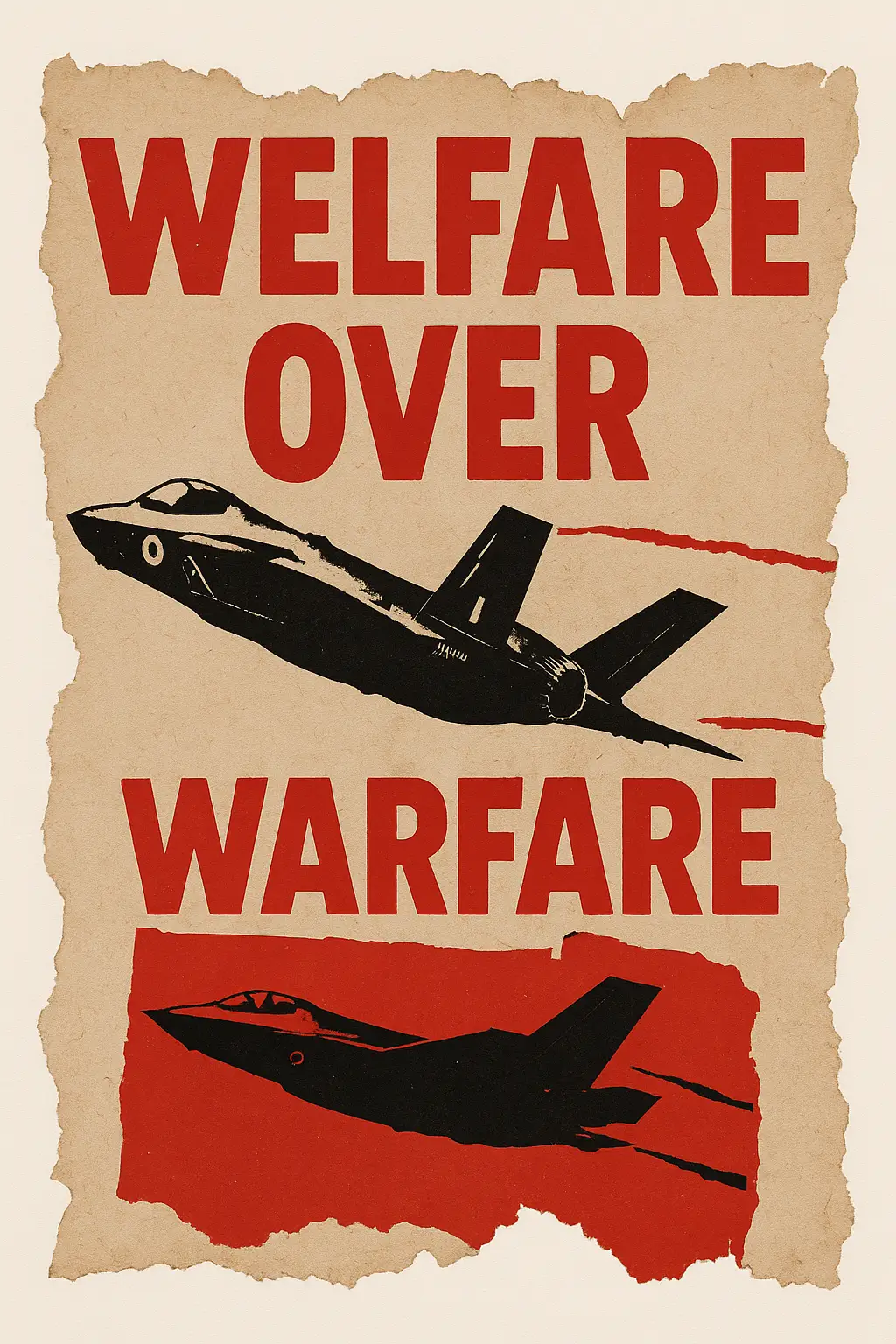
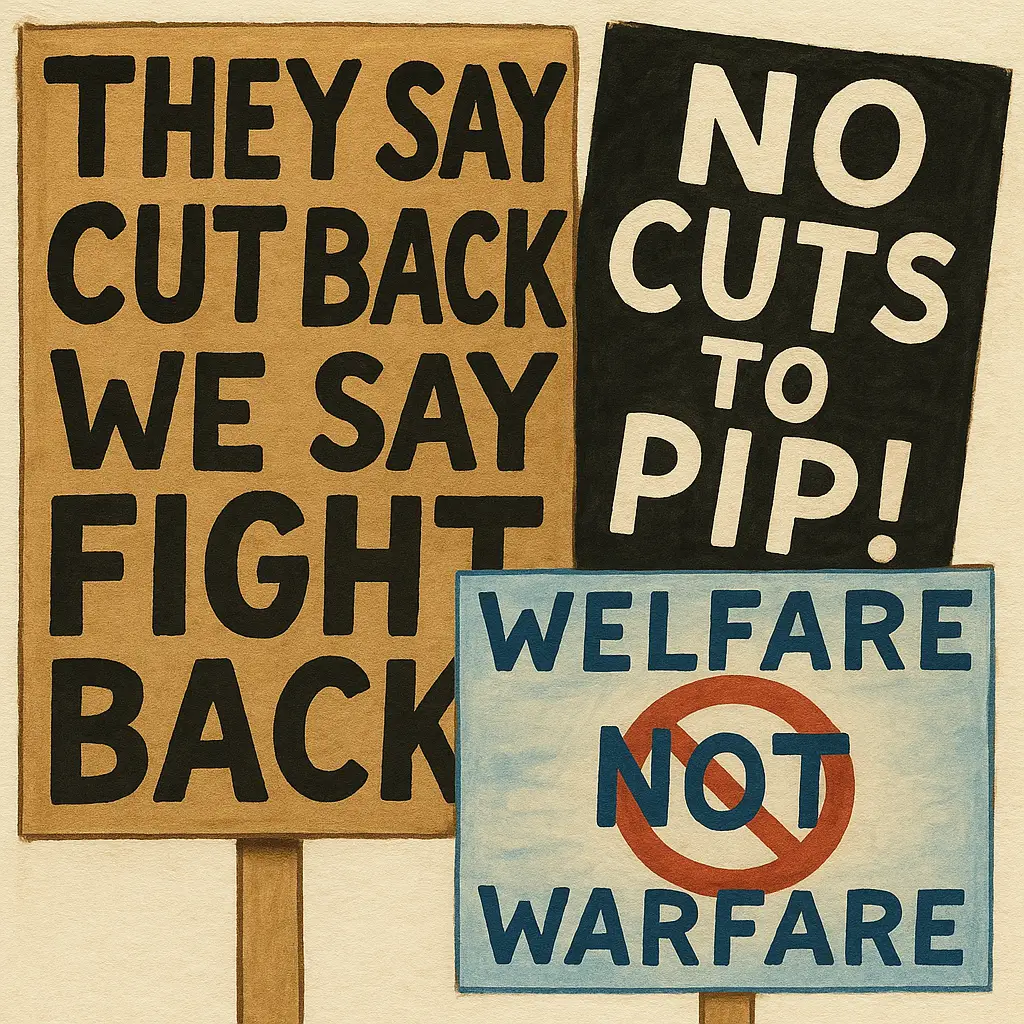
As Labour signs off on bombers and benefit cuts, Britain is being reshaped—not by necessity, but by choice. Welfare is being gutted while defence sails on untouched. This isn’t fiscal realism. It’s a war budget in peacetime.
Journalism doesn’t need saving by those who made it toxic. Wright names the rot—Murdoch, the lobby, the Oxbridge cartel—and shows how the presses keeps running.
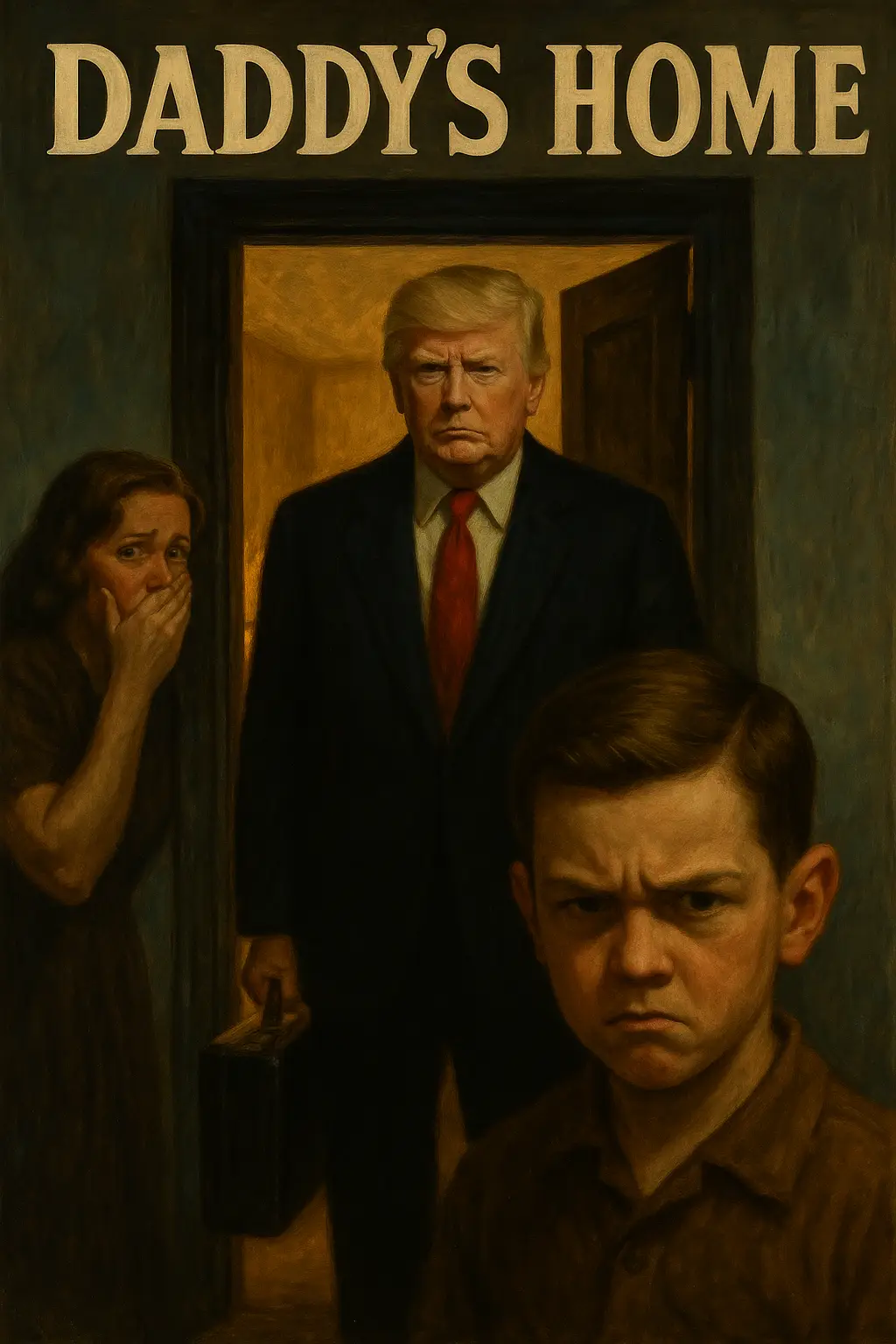
Trump didn’t just return to NATO; he returned as “Daddy”—a role not earned through diplomacy, but conjured through spectacle. Baudrillard warned that when image overtakes reality, politics becomes performance. The bombs may have hit Iran, but the real strike was rhetorical. What mattered wasn’t destruction, it was the appearance of obliteration, the meme of authority, the myth of restored order. In the empire of simulation, the sovereign returns not with treaties, but with merch.
Labour won power by promising stability, but what it offers now is paralysis. It has no strategy to counter Farage, no defence against a Tory right fightback, and no imagination to confront the ecological and economic shocks coming fast over the horizon. While Reform sets the agenda and the left reorganises, Starmer retreats into technocratic caution. The government is not leading Britain—it’s managing decline, and doing it badly. Unless Labour finds the courage to confront the forces tearing the country apart, it risks becoming the caretaker of its own collapse.