The chancellor’s proposed income tax shuffle is clever accountancy but toxic politics — a pledge-break disguised as fiscal discipline, and proof that Labour has trapped itself in rules it cannot escape.
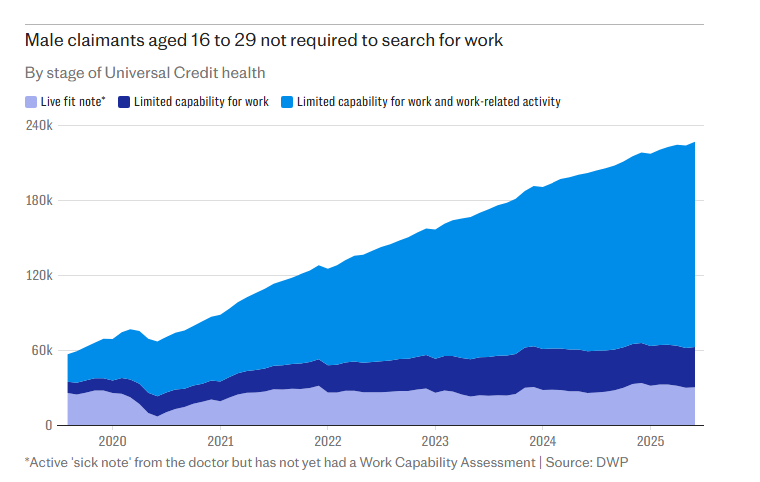
More than 200,000 young men aren’t “signed off for life”—they are the reserve army of labour, conscripted into the Telegraph’s morality tale to prepare the ground for austerity.
David Frost calls it a new “Red Terror.” The truth is plainer: it’s the Right’s wars, coups and crackdowns that have spilt the deepest blood in politics.
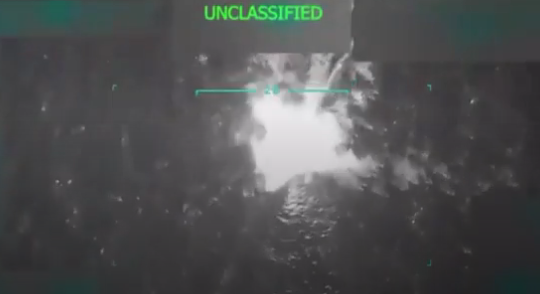
Trump’s latest “kinetic strike” killed three unknown Venezuelans he labelled “narco-terrorists.” The phrase is not law but incantation, a word that strips away humanity and legitimises killing. From Vietnam body counts to Obama’s “signature strikes,” America has always named its enemies into existence, and into death.
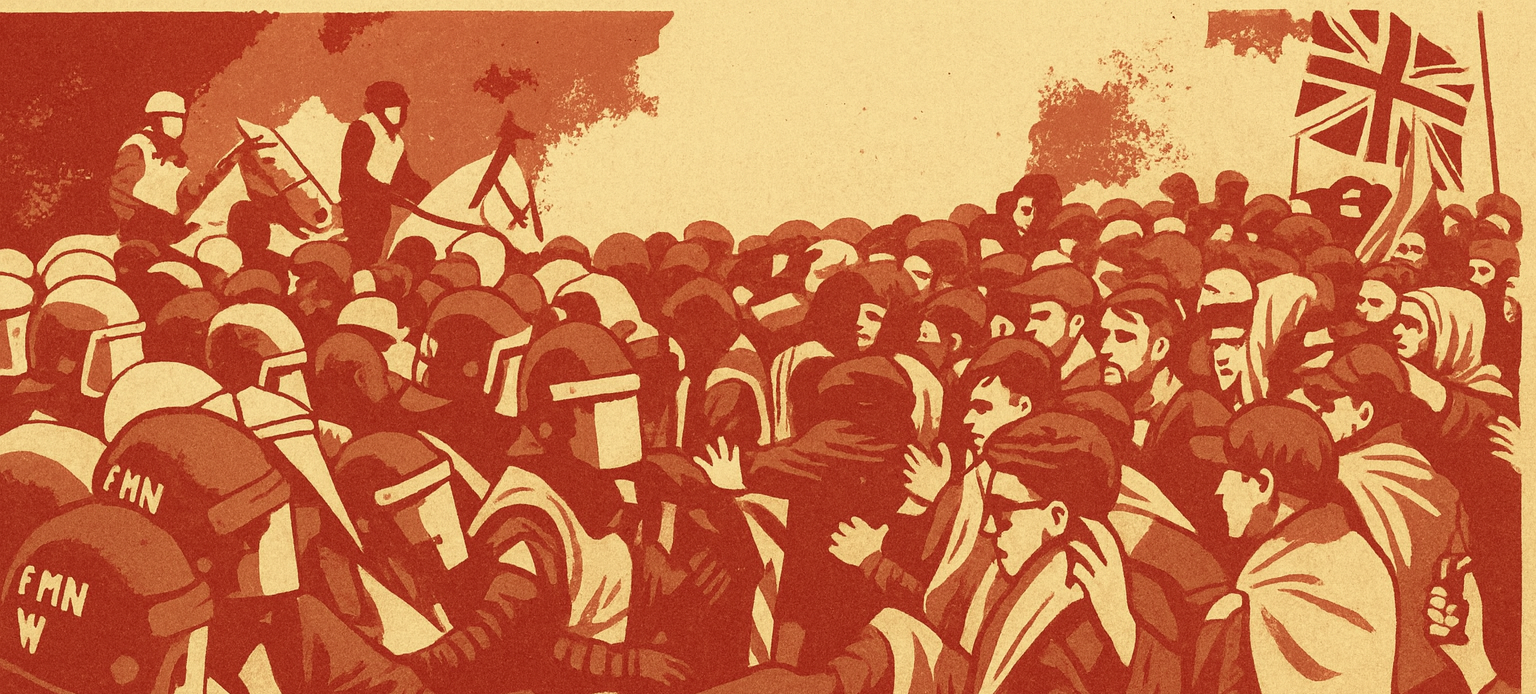
To call Robinson’s rally “populist” or “right-wing” is to miss the point. Fascism doesn’t require every marcher to be a coherent ideologue; it requires a mass, a scapegoat, and leaders prepared to turn grievance into violence. That is what we saw in London.
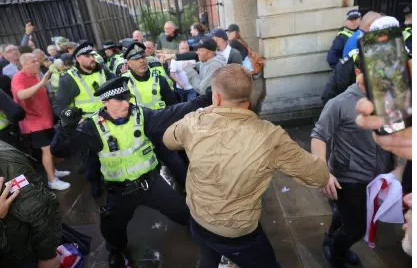
The events of Saturday (13/09) prove that Britain can go fascist. Musk calls for violence, the Telegraph and Times launder his words, and Starmer clings to the flag. We must name the danger or watch it grow.
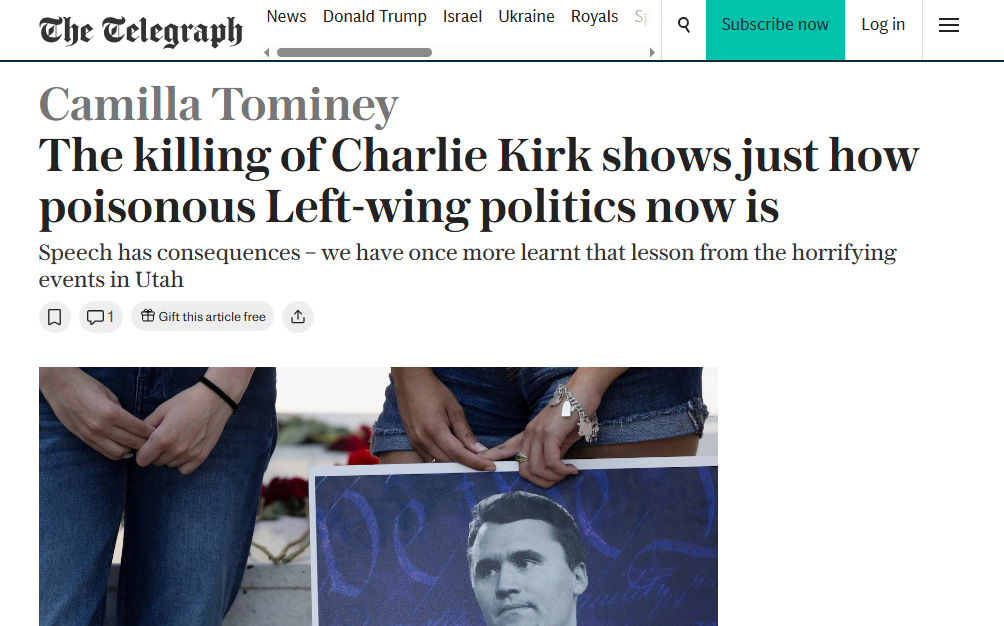
Camilla Tominey’s sainthood act for Charlie Kirk trades politics for piety. The Right already owns the machinery (press, finance, courts, police) and Kirk was part of the drive shaft. A death certificate doesn’t wash clean a career built on making violence respectable.
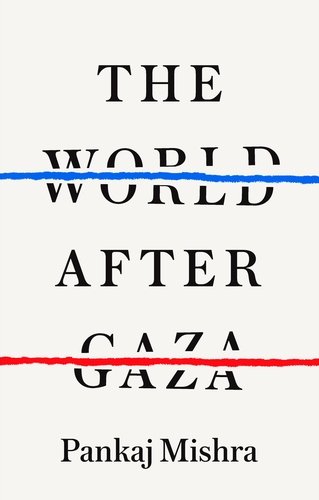
Pankaj Mishra’s The World After Gaza is a searing indictment of Western complicity in Israeli aggression, exposing the ideological, economic, and political forces that have enabled the destruction of Palestine.

The work isn’t fake because it’s imaginary—it’s fake because it pretends to matter. We clock in, log on, file the forms, and call it a life.
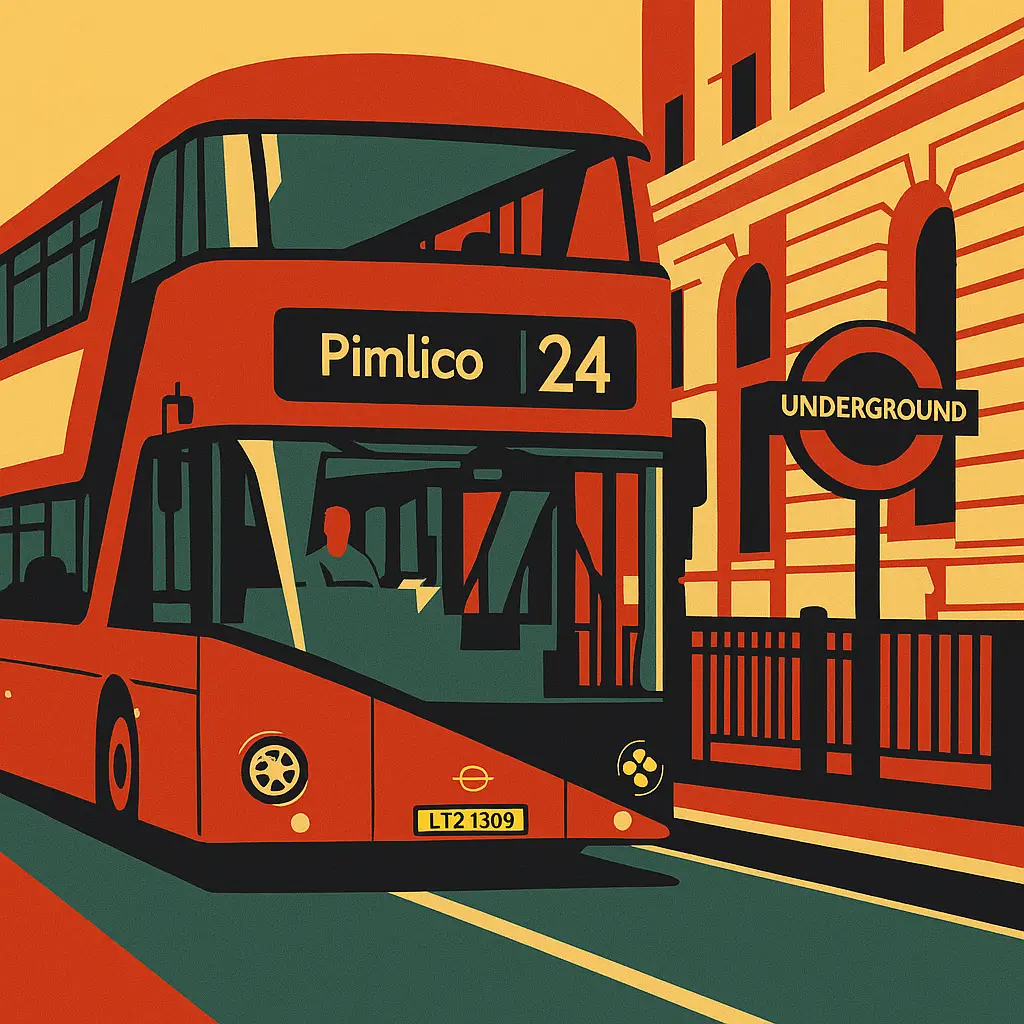
Matt Goodwin’s claim that “London is over” isn’t analysis, it’s a panic attack in column form. Behind the talk of pints and train delays lies the same tired script the Mail rehashes every few weeks, just in time for its readers to rage over their cornflakes. Crime becomes a cipher for immigration, anecdote stands in for data, and the city’s diversity is framed as an existential threat. But what really offends Goodwin isn’t decline—it’s that London no longer looks or sounds like him.
Alexander Dugin’s latest polemic is not political analysis but fascist sermon—an apocalyptic blueprint in which nuclear war is both inevitable and desirable. Cloaked in the language of sovereignty and tradition, it is a call to arms for a new ideology of holy Russian power. What begins with Fordow ends with the end of humanity. And for that reason alone, it demands scrutiny—not celebration. You listening, tech bros?
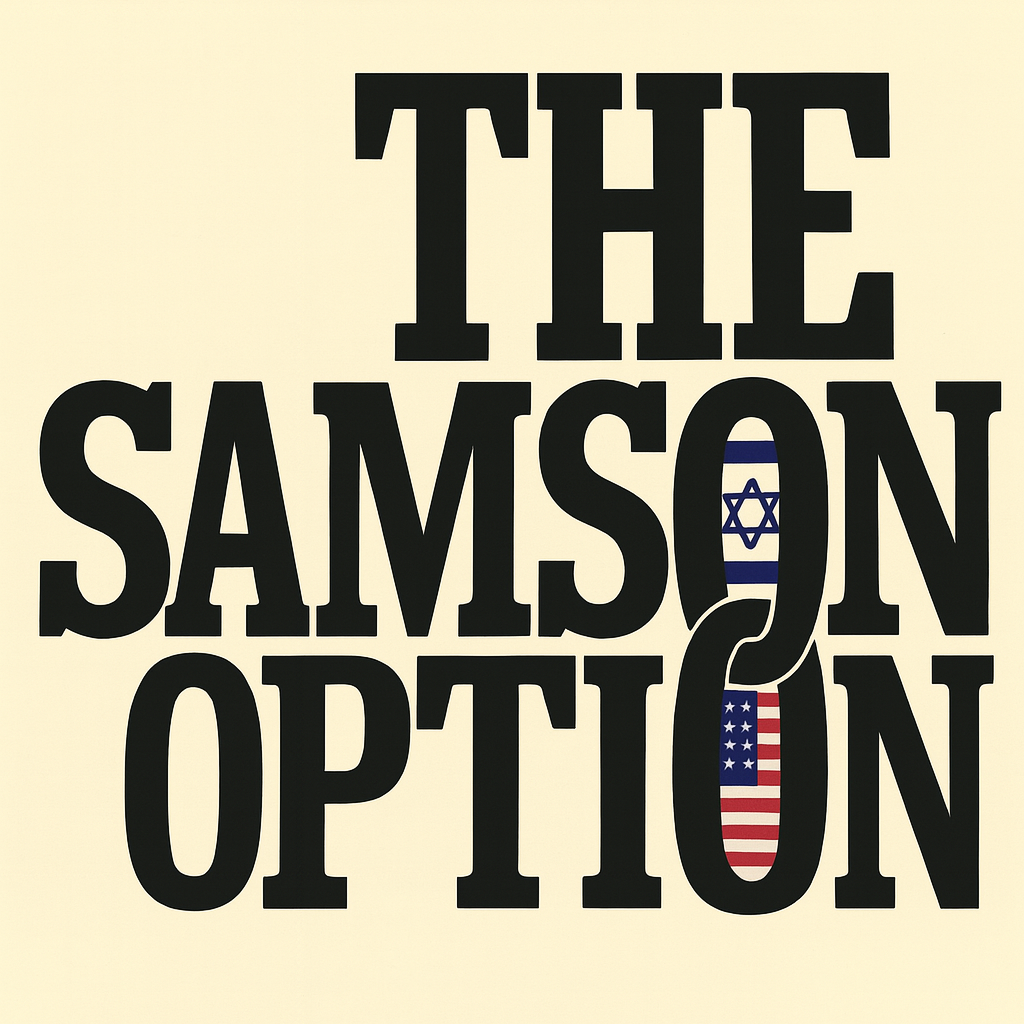
The next state to cross the nuclear threshold won’t be doing anything new. It’ll be following the path Israel already took—building the bomb in secret, shielded by silence and strategic utility. The real precedent was set decades ago in the Negev. That’s the hypocrisy at the heart of the so-called international order: one bomb is a threat to civilisation, the other a pillar of it. This isn’t about non-proliferation. It’s about who gets to own the apocalypse.
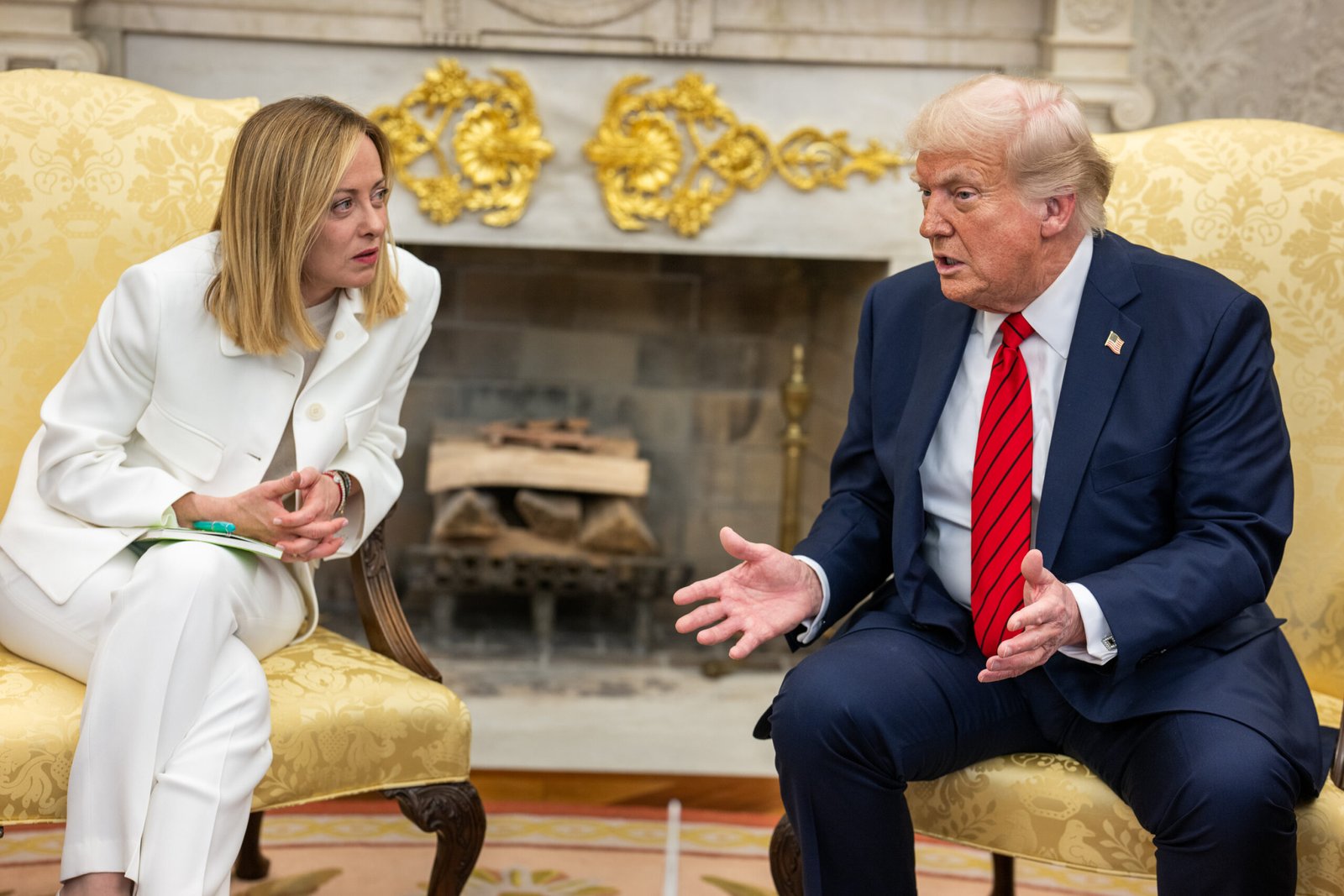
What looks like autobiography is really a sermon: suffer, obey, reproduce, and vote accordingly.
To Jeff Bezos, Venice is just a stage set: a curated backdrop for the brand—and a wedding venue on the side.
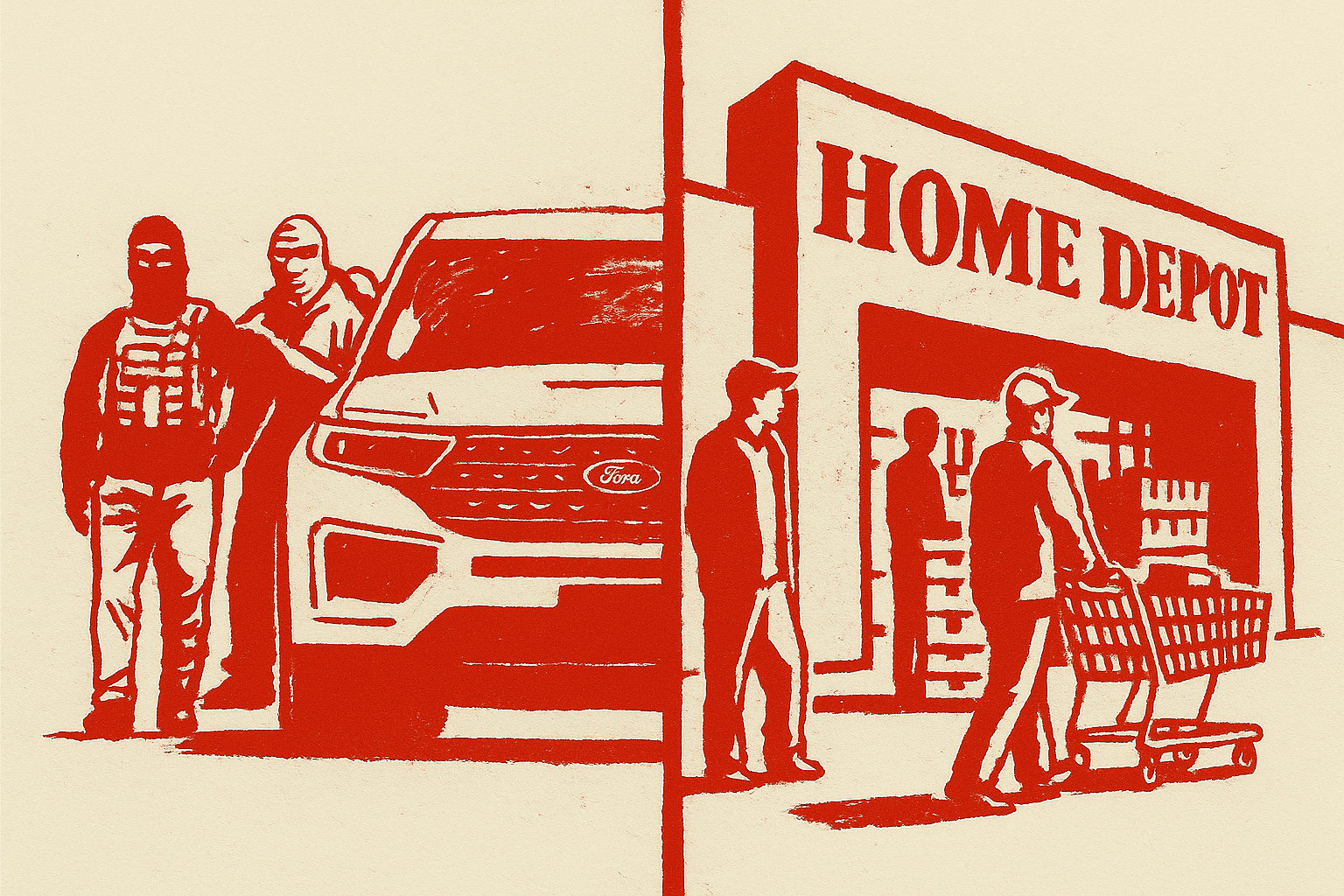
Under Trump and Stephen Miller, extraordinary rendition has been refashioned for domestic use—not to fight terrorism, but to disappear the vulnerable. There are no warrants. No charges. No destinations. Just men in unmarked vans, masked and armed, taking people who often never come back. This isn’t immigration enforcement. It’s the logic of the War on Terror—secret transfers, indefinite detention, legal disappearance—turned inward. The spectacle is the point. The fear is the policy.
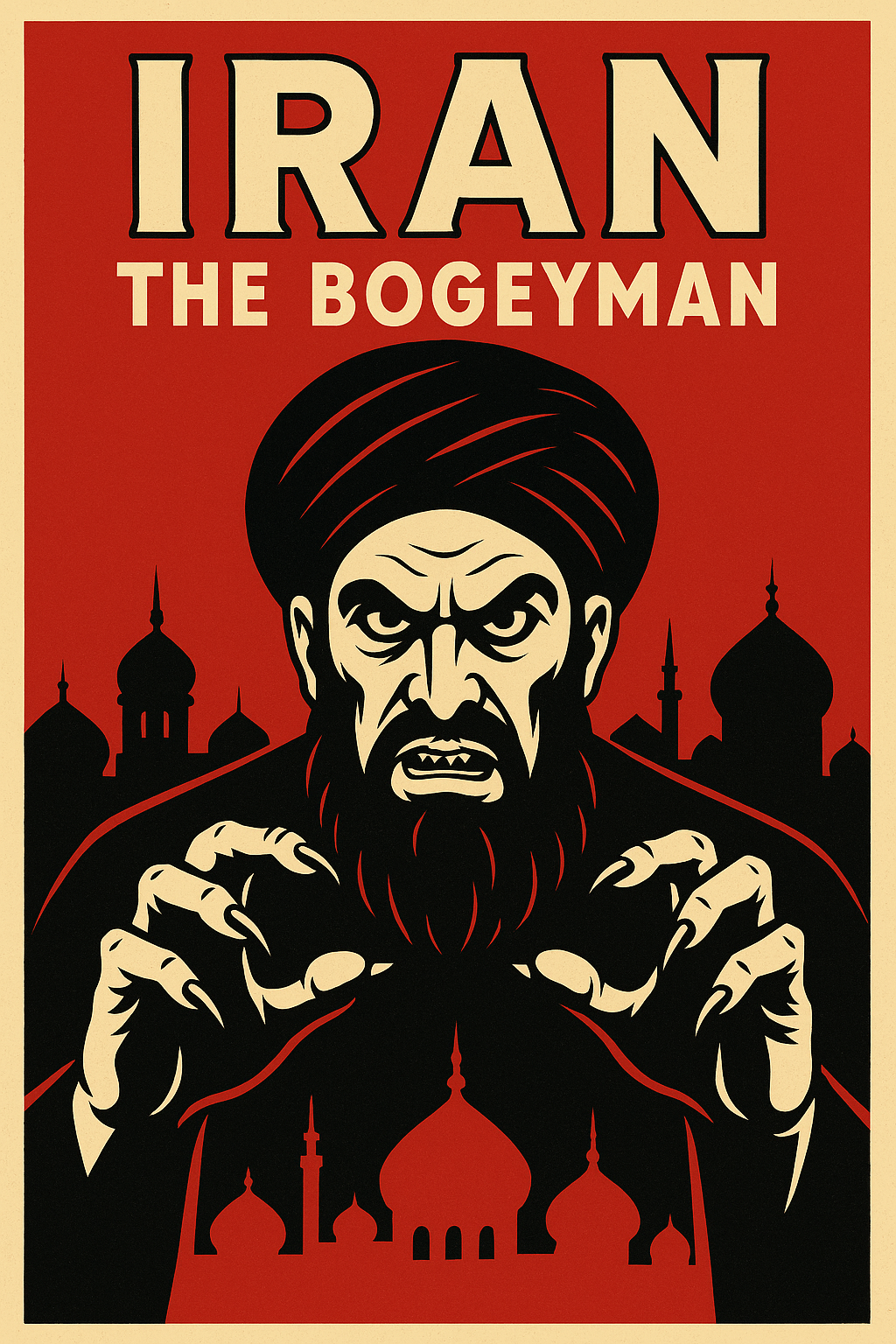
By the time Hollywood started scripting Iran as its newest bogeyman, the Cold War playbook had already been written. The turbans replaced fur hats, the chants swapped in for Russian-accented threats, but the role remained the same: the unknowable enemy, forever at the gates. From Argo to Homeland, Iran is less a country than a plot device—violent, duplicitous, irredeemably foreign. Yet in the shadow of this narrative, exiled Iranian filmmakers are doing something far more dangerous than propaganda: they’re telling the truth.
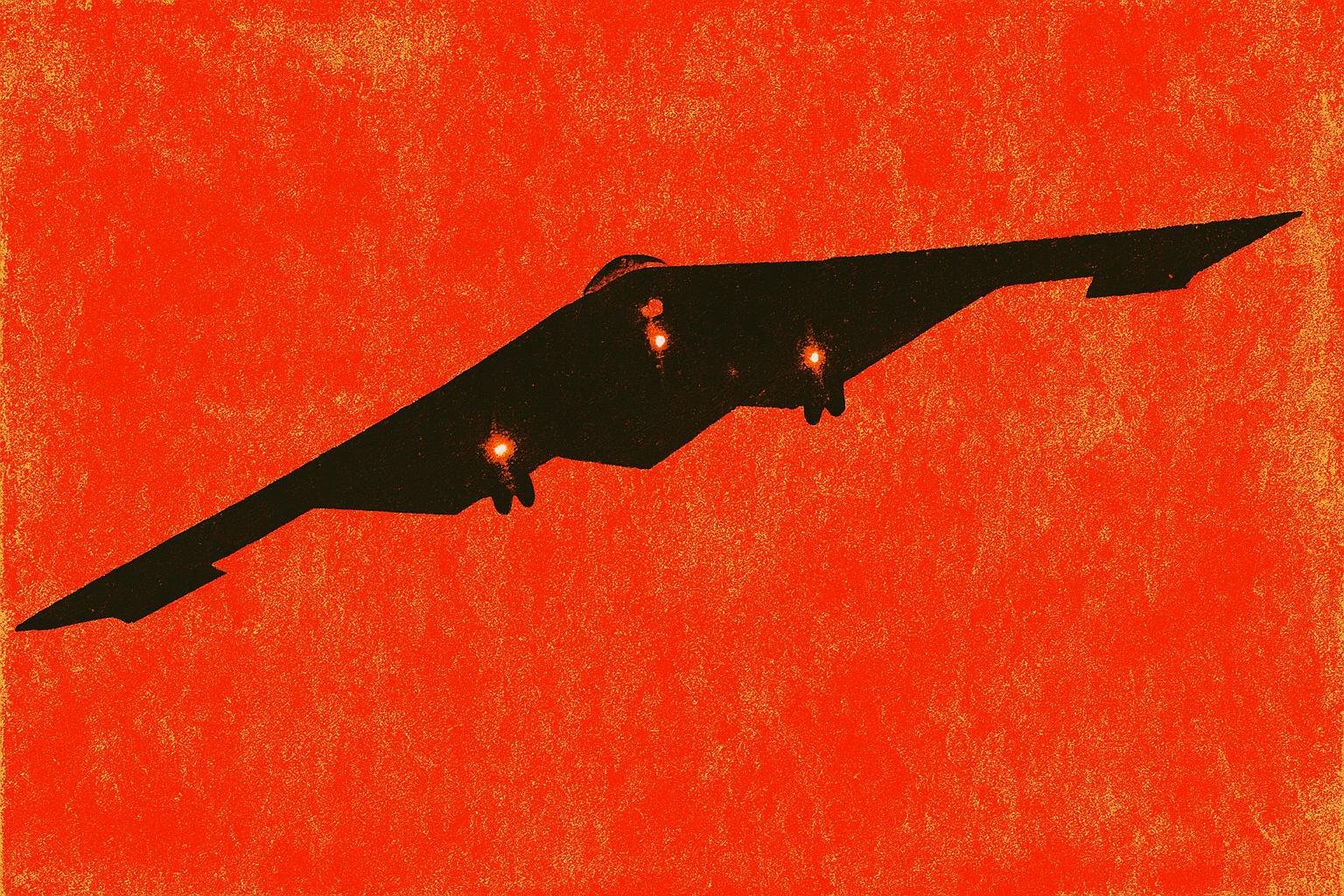
Trump’s bunker busters, Netanyahu’s theological realism, and Starmer’s threat to criminalise Palestine Action reveal a world in which violence is moralised, empire is rationalised, and dissent is once again labelled terrorism.