The chancellor’s proposed income tax shuffle is clever accountancy but toxic politics — a pledge-break disguised as fiscal discipline, and proof that Labour has trapped itself in rules it cannot escape.
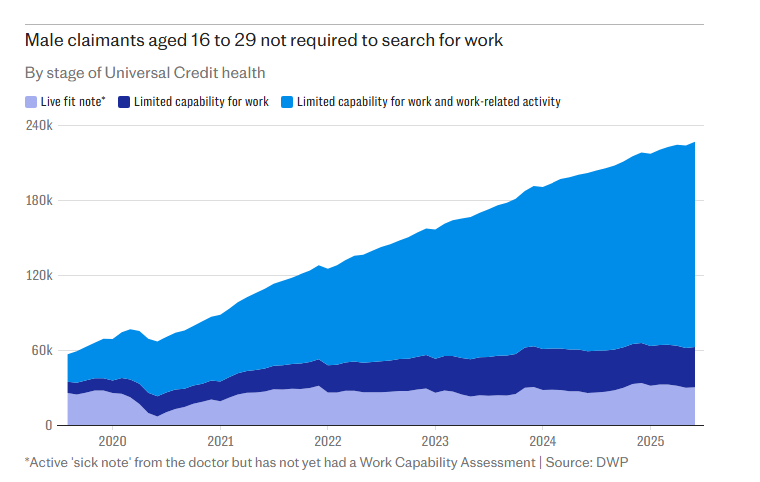
More than 200,000 young men aren’t “signed off for life”—they are the reserve army of labour, conscripted into the Telegraph’s morality tale to prepare the ground for austerity.
David Frost calls it a new “Red Terror.” The truth is plainer: it’s the Right’s wars, coups and crackdowns that have spilt the deepest blood in politics.
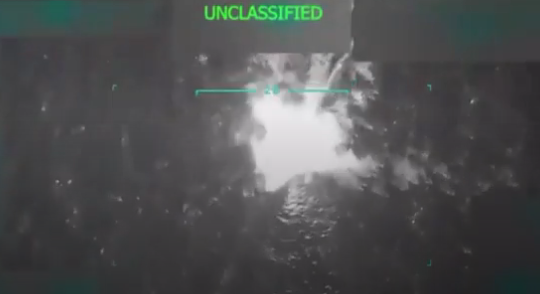
Trump’s latest “kinetic strike” killed three unknown Venezuelans he labelled “narco-terrorists.” The phrase is not law but incantation, a word that strips away humanity and legitimises killing. From Vietnam body counts to Obama’s “signature strikes,” America has always named its enemies into existence, and into death.
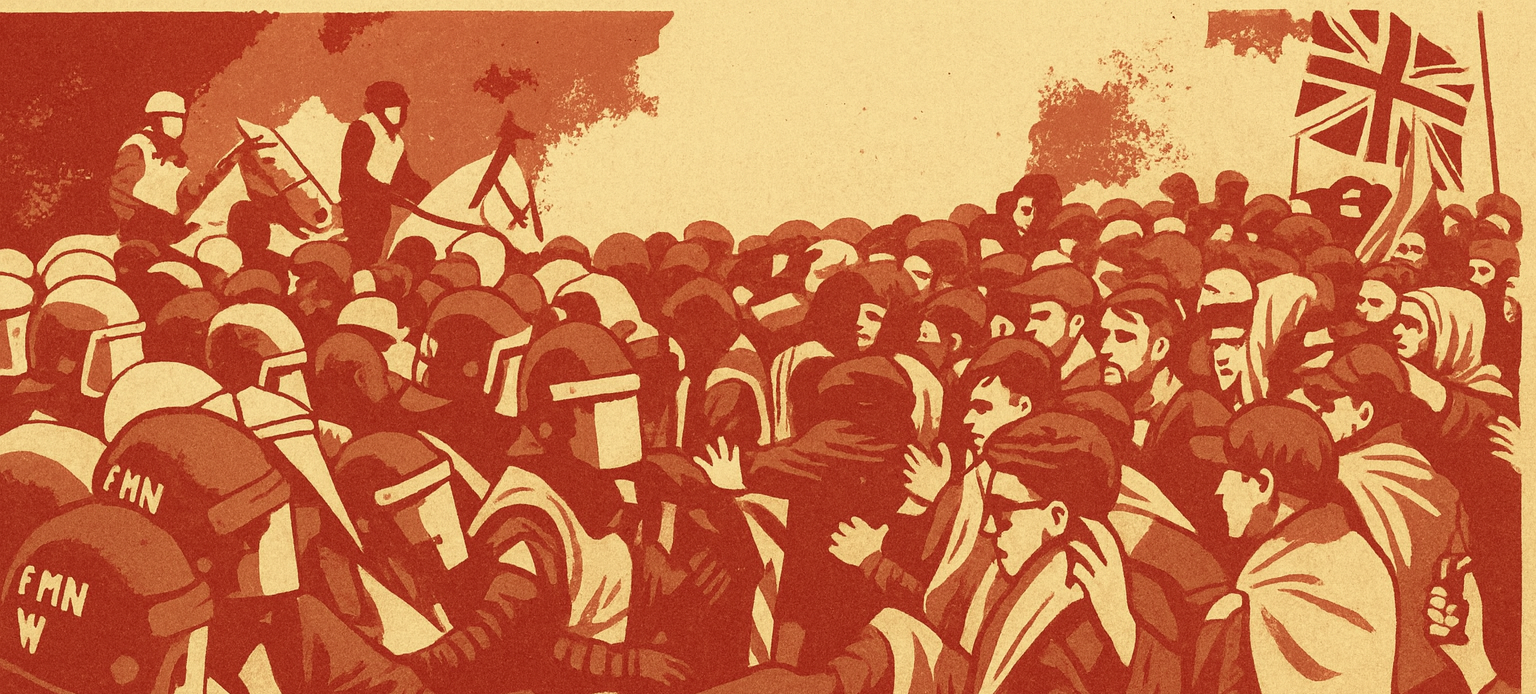
To call Robinson’s rally “populist” or “right-wing” is to miss the point. Fascism doesn’t require every marcher to be a coherent ideologue; it requires a mass, a scapegoat, and leaders prepared to turn grievance into violence. That is what we saw in London.
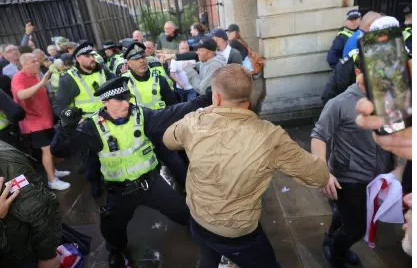
The events of Saturday (13/09) prove that Britain can go fascist. Musk calls for violence, the Telegraph and Times launder his words, and Starmer clings to the flag. We must name the danger or watch it grow.
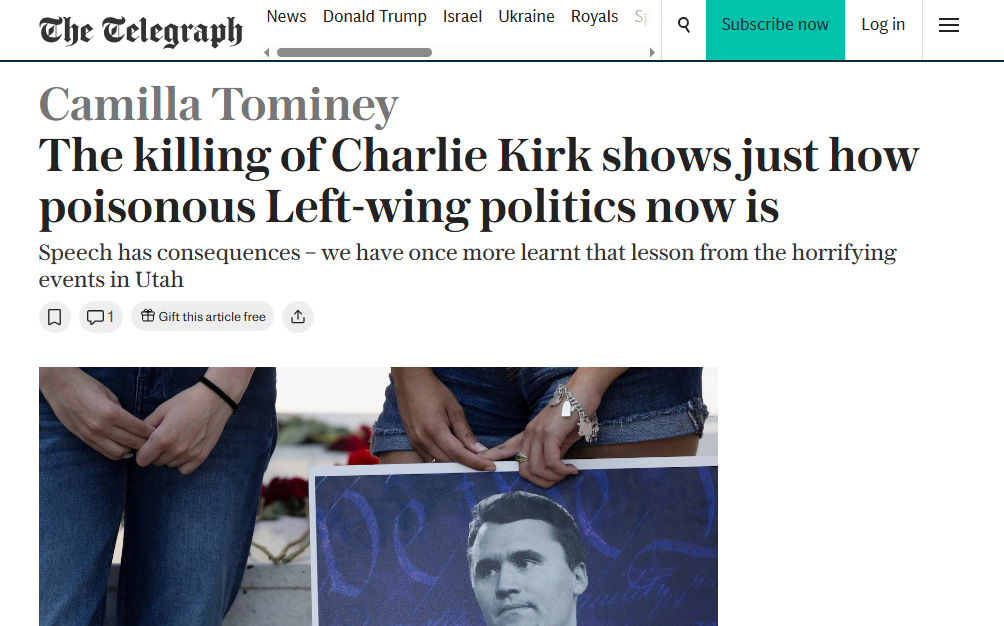
Camilla Tominey’s sainthood act for Charlie Kirk trades politics for piety. The Right already owns the machinery (press, finance, courts, police) and Kirk was part of the drive shaft. A death certificate doesn’t wash clean a career built on making violence respectable.
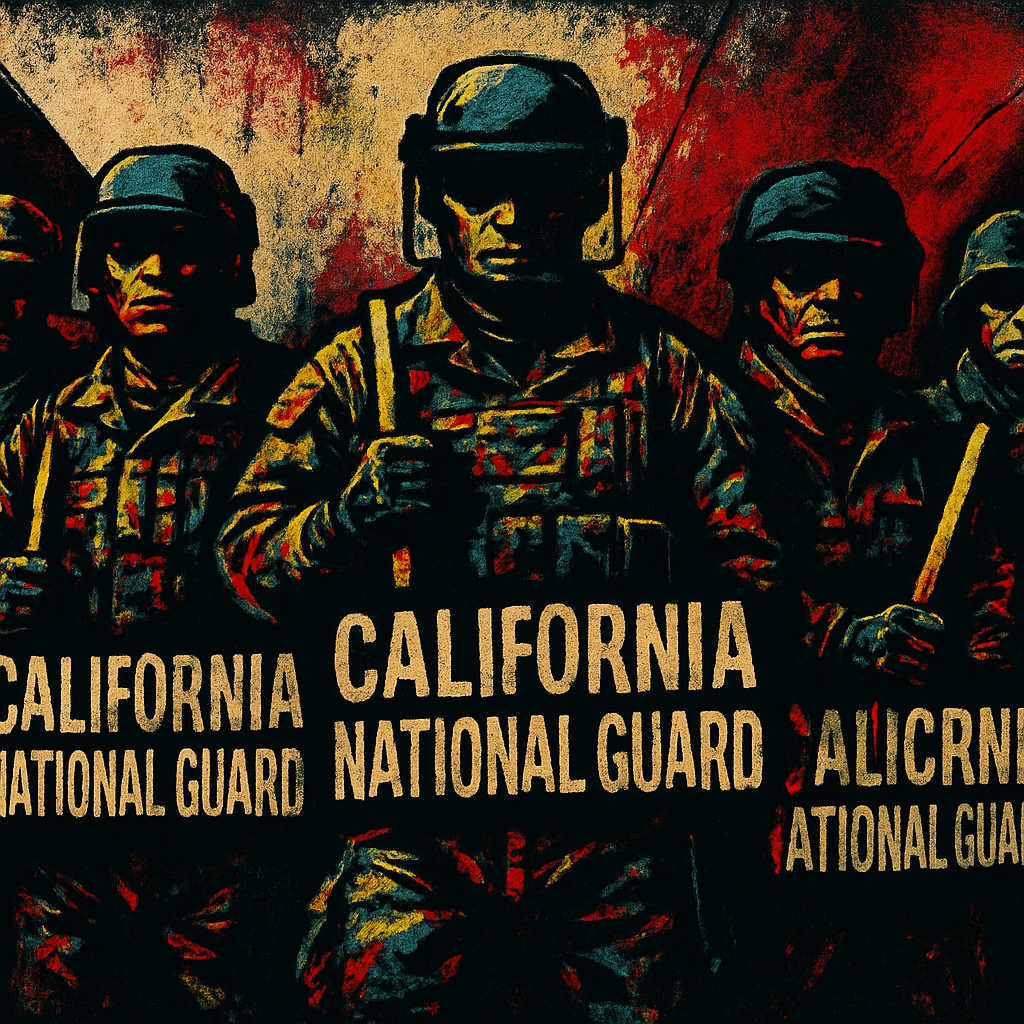
The LA deployment is not a policing measure. It is a political theatre of domination designed to send a message: the state belongs to Trump, the military answers to Trump, and those who oppose him—activists, migrants, dissenters—will be met with force.
California is not a client state—if Texas can defy Washington to punish the poor, then California can defy Washington to protect them.
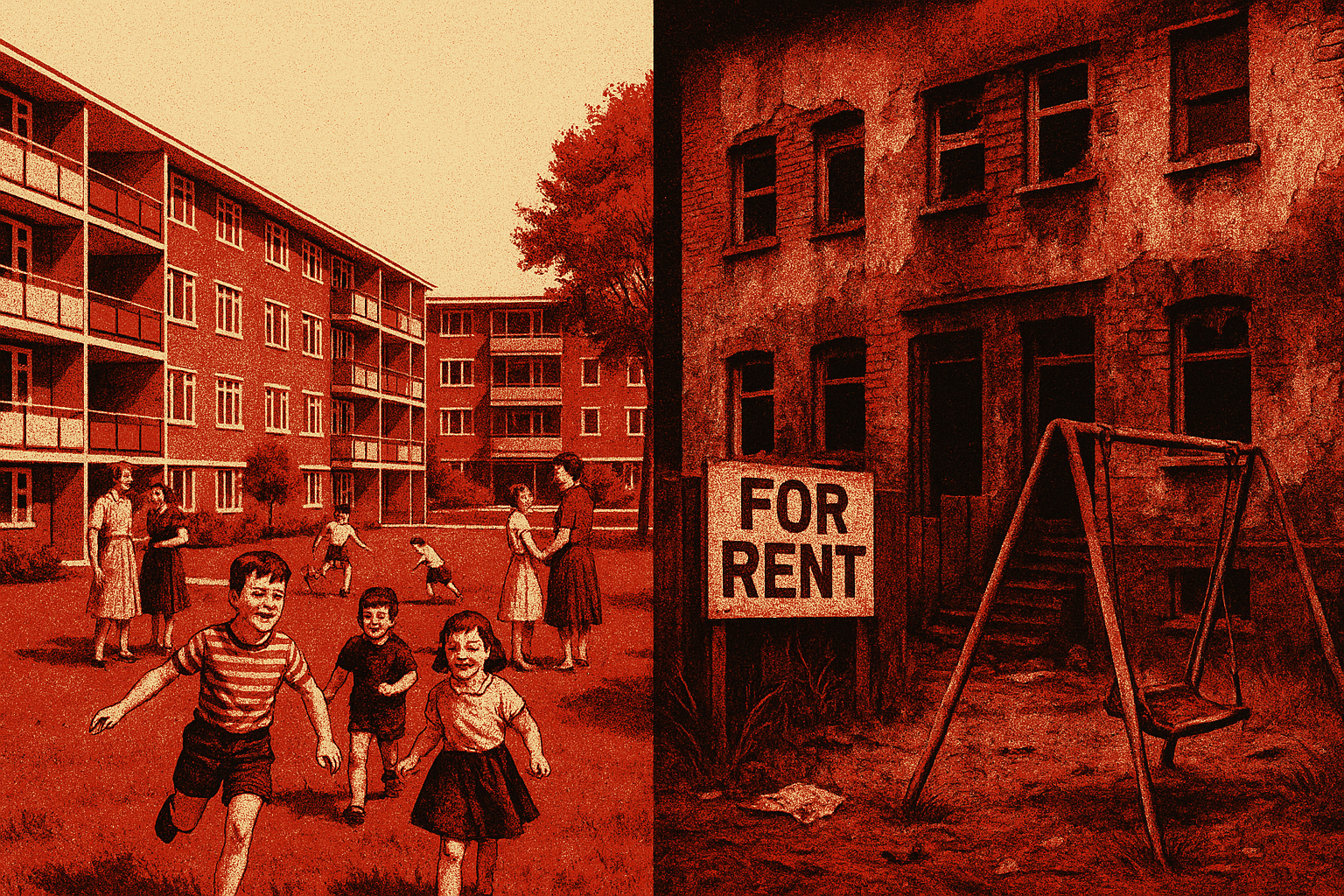
The British housing crisis is not a matter of scarcity but of structure—a system that treats homes as investment vehicles, tenants as revenue streams, and housing itself as a battlefield between capital and collective life.
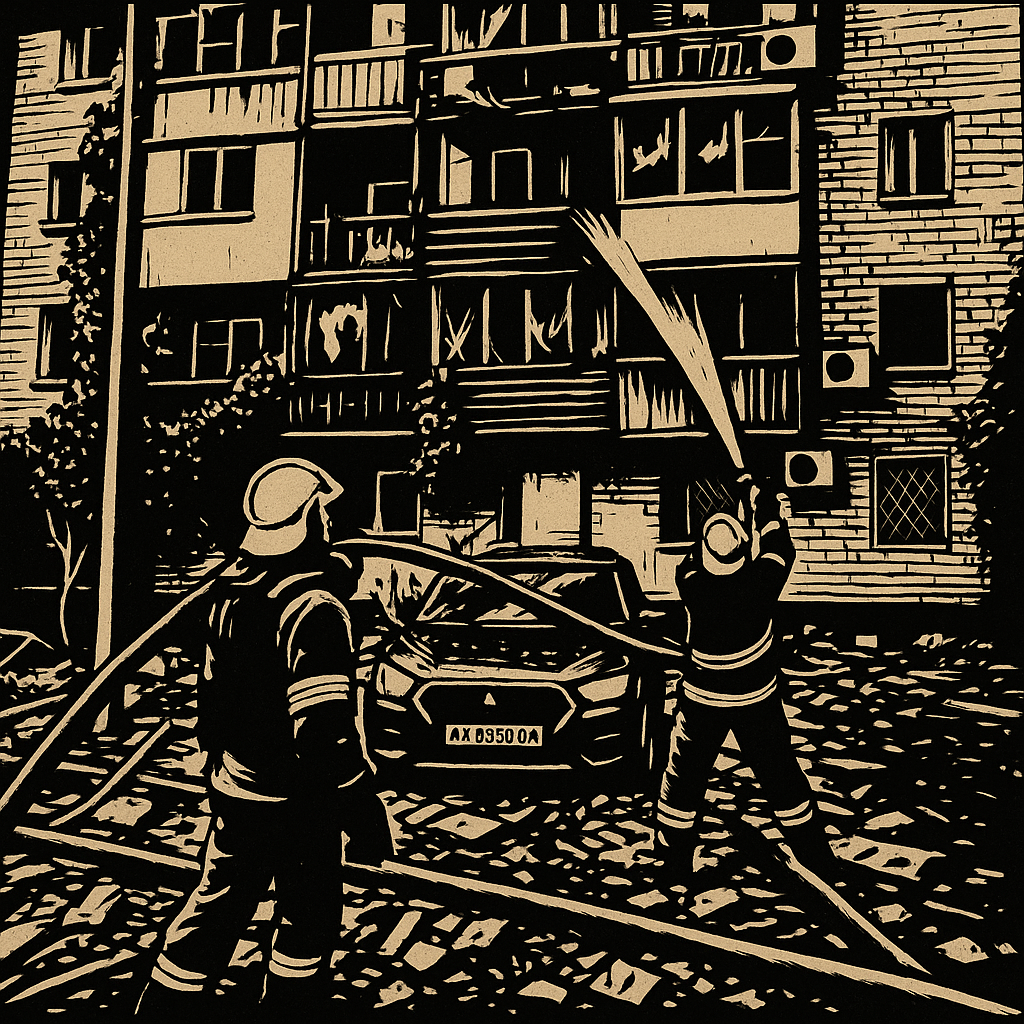
Russia is at war with Britain. The US can no longer be trusted. And our government’s response? First aid classes and cadet training. If this is what cohesion looks like, we are in real trouble.

Let’s not pretend there’s a serious policy debate here. The call to ban the burqa wasn’t a contribution to some Enlightenment café of ideas; it was a dog whistle blasted at full volume, a panic-button press designed to provoke.
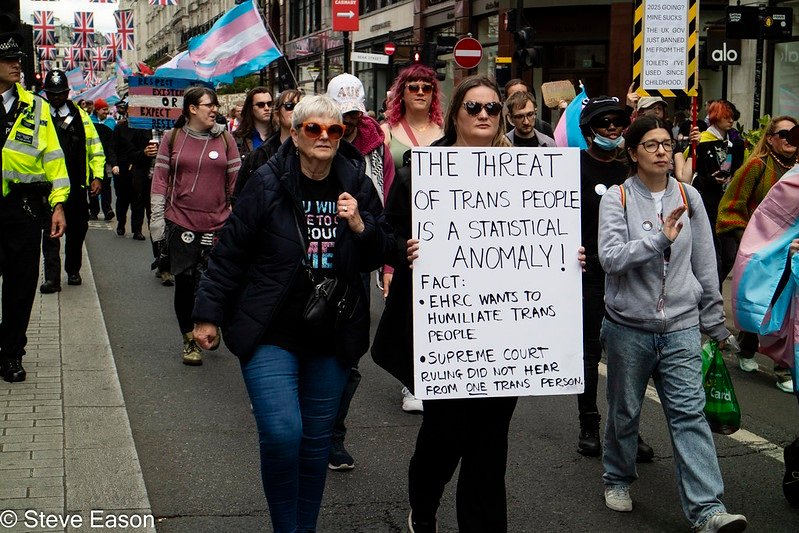
Trans people are not confused. They are not misled. They have not been lied to. They are responding, with dignity and resistance, to a sustained campaign of dehumanisation, spearheaded by a cross-section of legal hardliners, culture warriors, so called feminists, and opportunists.
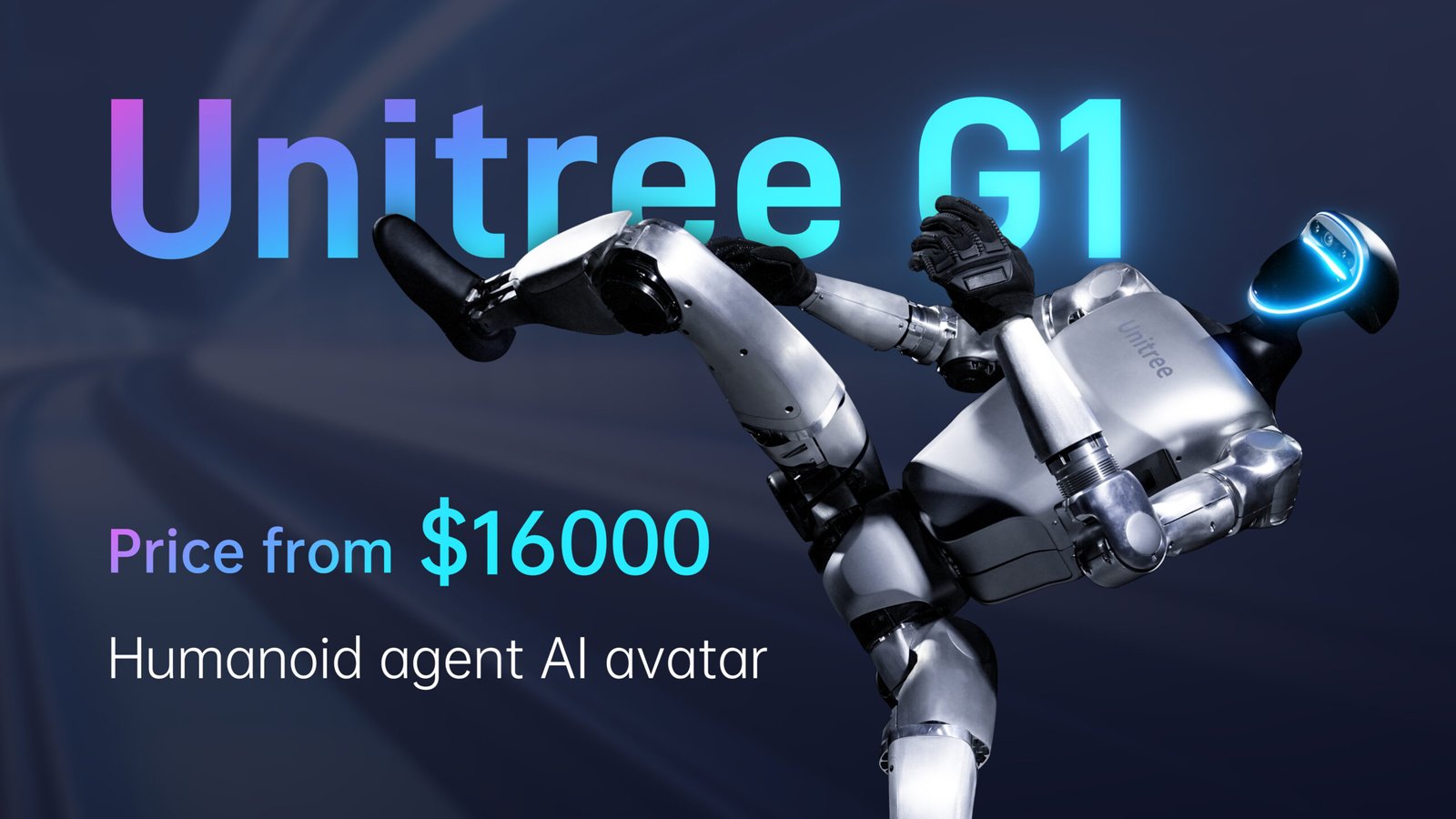
Amazon’s humanoid delivery bots aren’t just replacing drivers—they’re accelerating the creation of what William I. Robinson calls surplus humanity: billions rendered useless to capital.
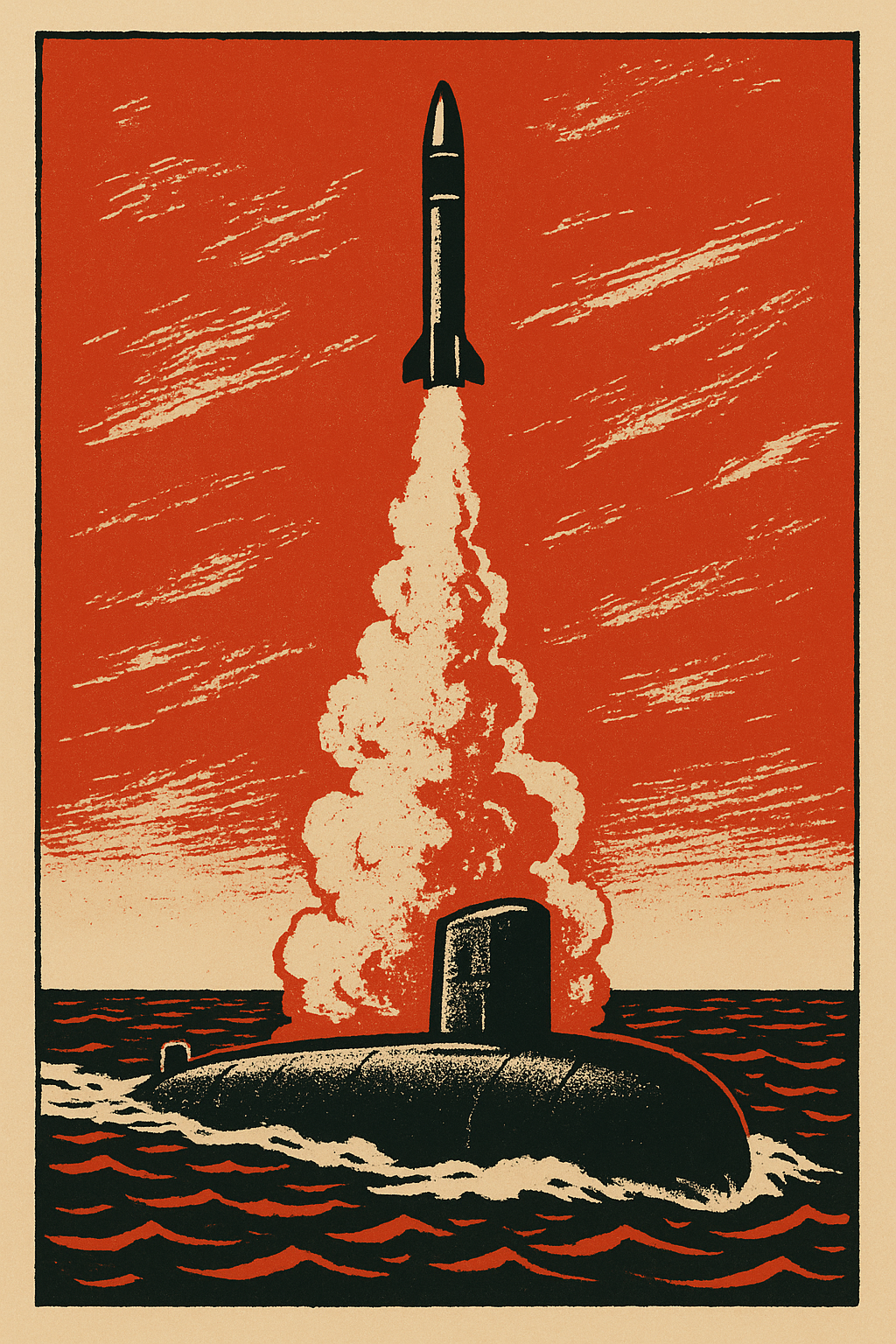
This isn’t a defence strategy—it’s a subsidy for the arms industry, a performance of deterrence, and a reaffirmation of Britain’s role as obedient junior partner in the global machinery of capital.
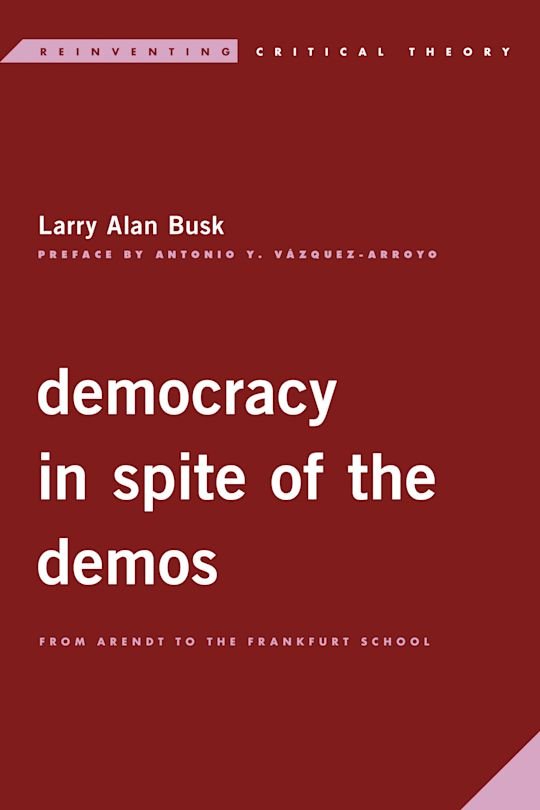
On Larry Alan Busk’s Democracy in Spite of the Demos
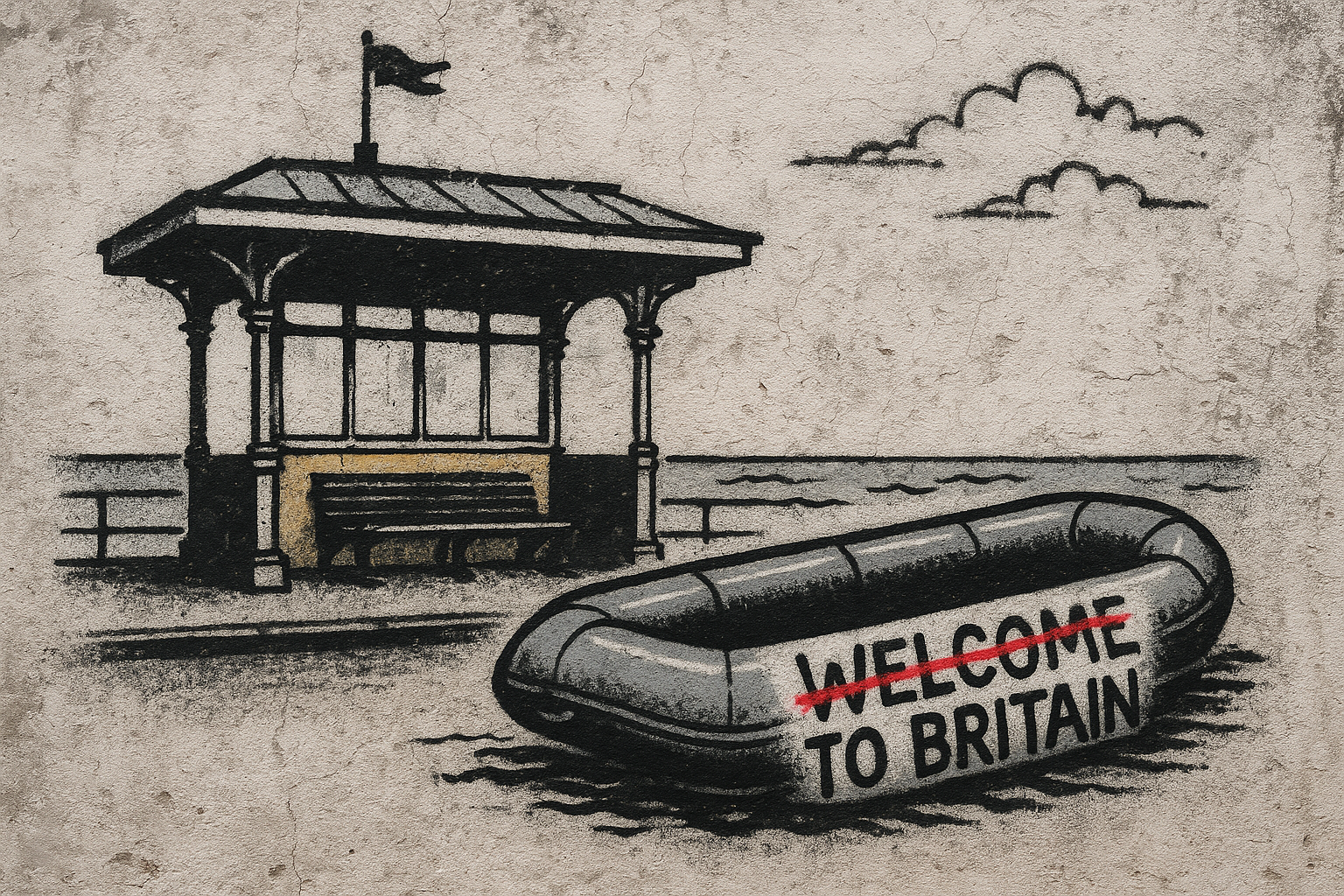
Lee Anderson doesn’t want a solution—he wants a stage, and the small boats crisis is just the latest prop in Britain’s long-running theatre of cruelty