The chancellor’s proposed income tax shuffle is clever accountancy but toxic politics — a pledge-break disguised as fiscal discipline, and proof that Labour has trapped itself in rules it cannot escape.
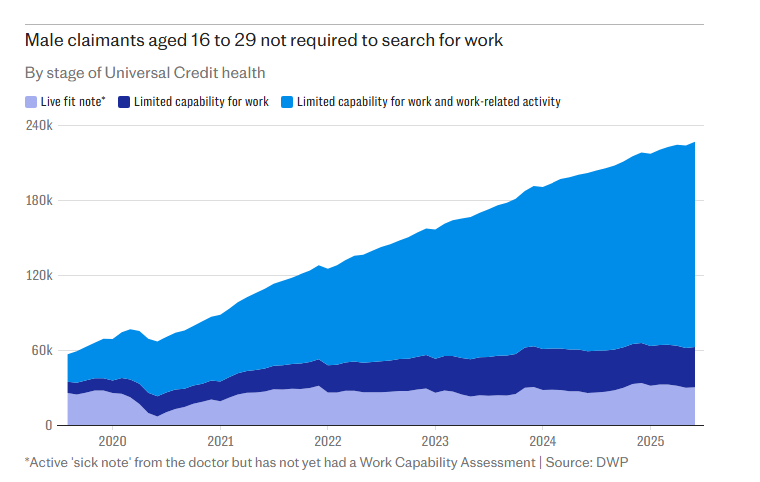
More than 200,000 young men aren’t “signed off for life”—they are the reserve army of labour, conscripted into the Telegraph’s morality tale to prepare the ground for austerity.
David Frost calls it a new “Red Terror.” The truth is plainer: it’s the Right’s wars, coups and crackdowns that have spilt the deepest blood in politics.
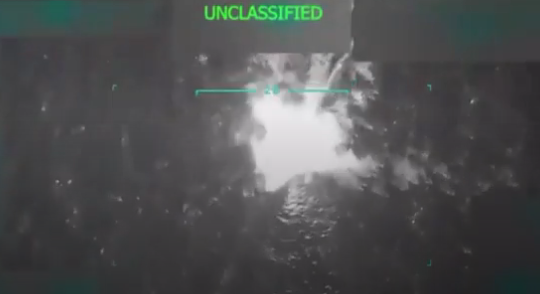
Trump’s latest “kinetic strike” killed three unknown Venezuelans he labelled “narco-terrorists.” The phrase is not law but incantation, a word that strips away humanity and legitimises killing. From Vietnam body counts to Obama’s “signature strikes,” America has always named its enemies into existence, and into death.
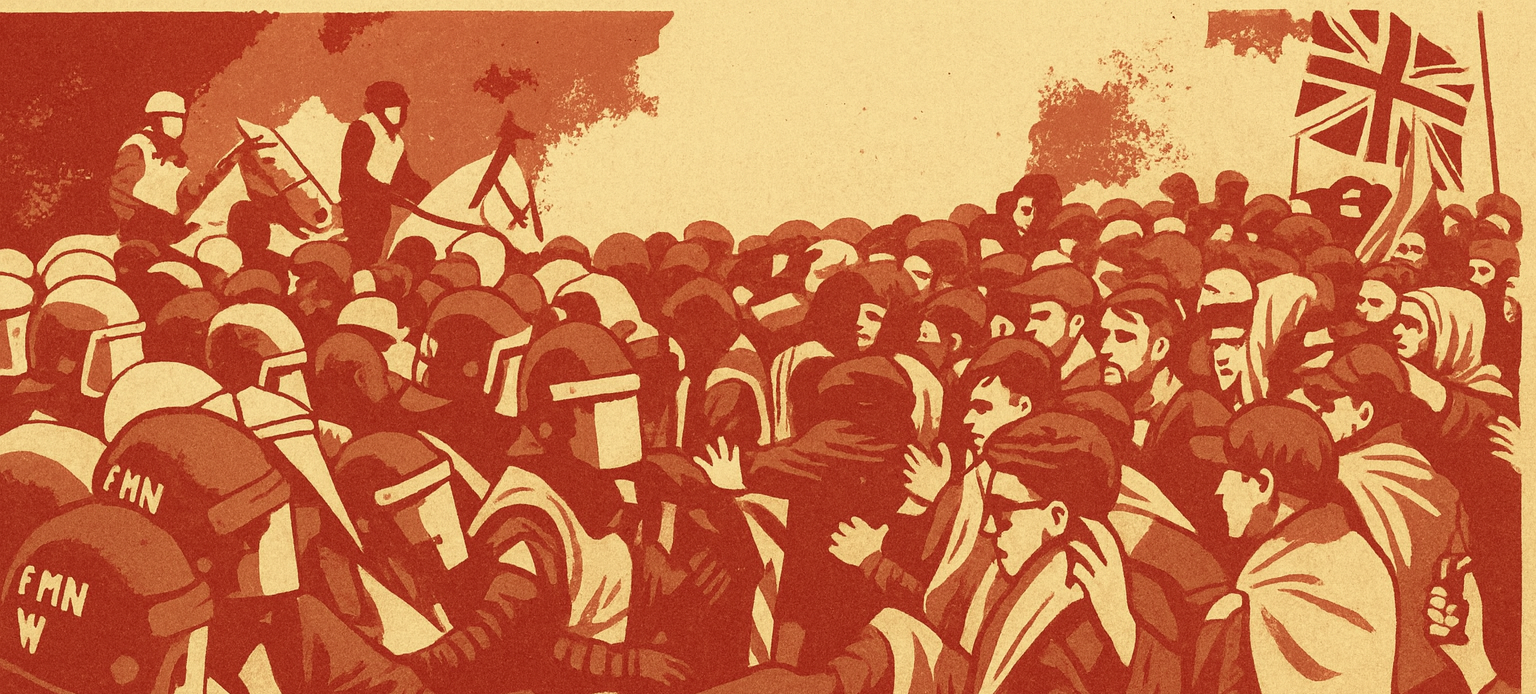
To call Robinson’s rally “populist” or “right-wing” is to miss the point. Fascism doesn’t require every marcher to be a coherent ideologue; it requires a mass, a scapegoat, and leaders prepared to turn grievance into violence. That is what we saw in London.
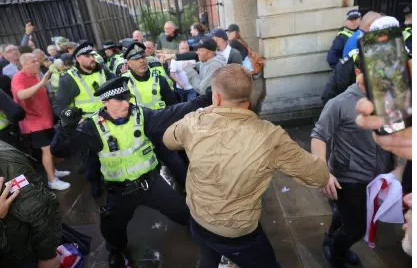
The events of Saturday (13/09) prove that Britain can go fascist. Musk calls for violence, the Telegraph and Times launder his words, and Starmer clings to the flag. We must name the danger or watch it grow.
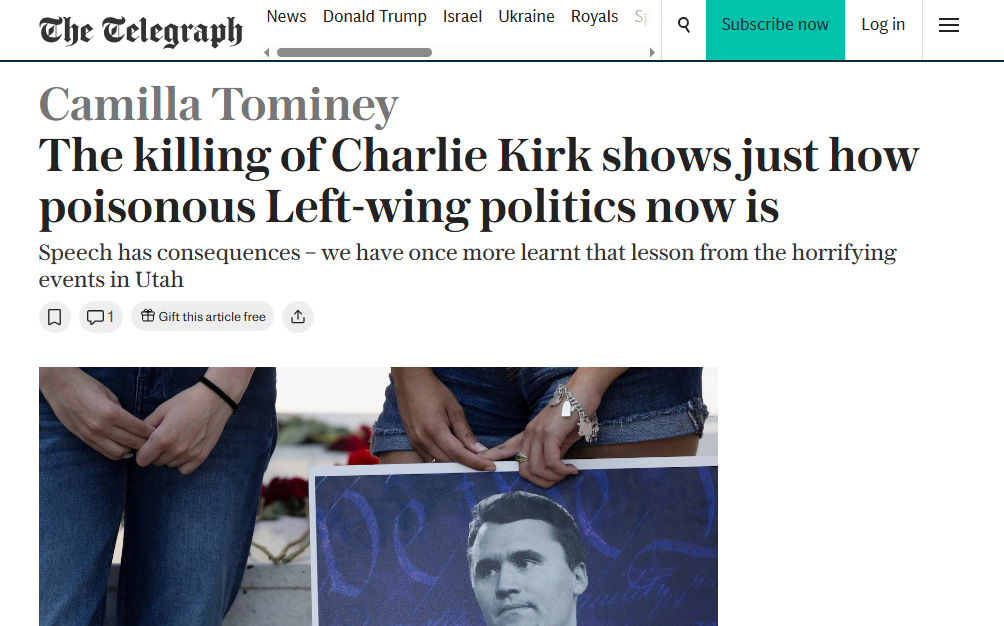
Camilla Tominey’s sainthood act for Charlie Kirk trades politics for piety. The Right already owns the machinery (press, finance, courts, police) and Kirk was part of the drive shaft. A death certificate doesn’t wash clean a career built on making violence respectable.
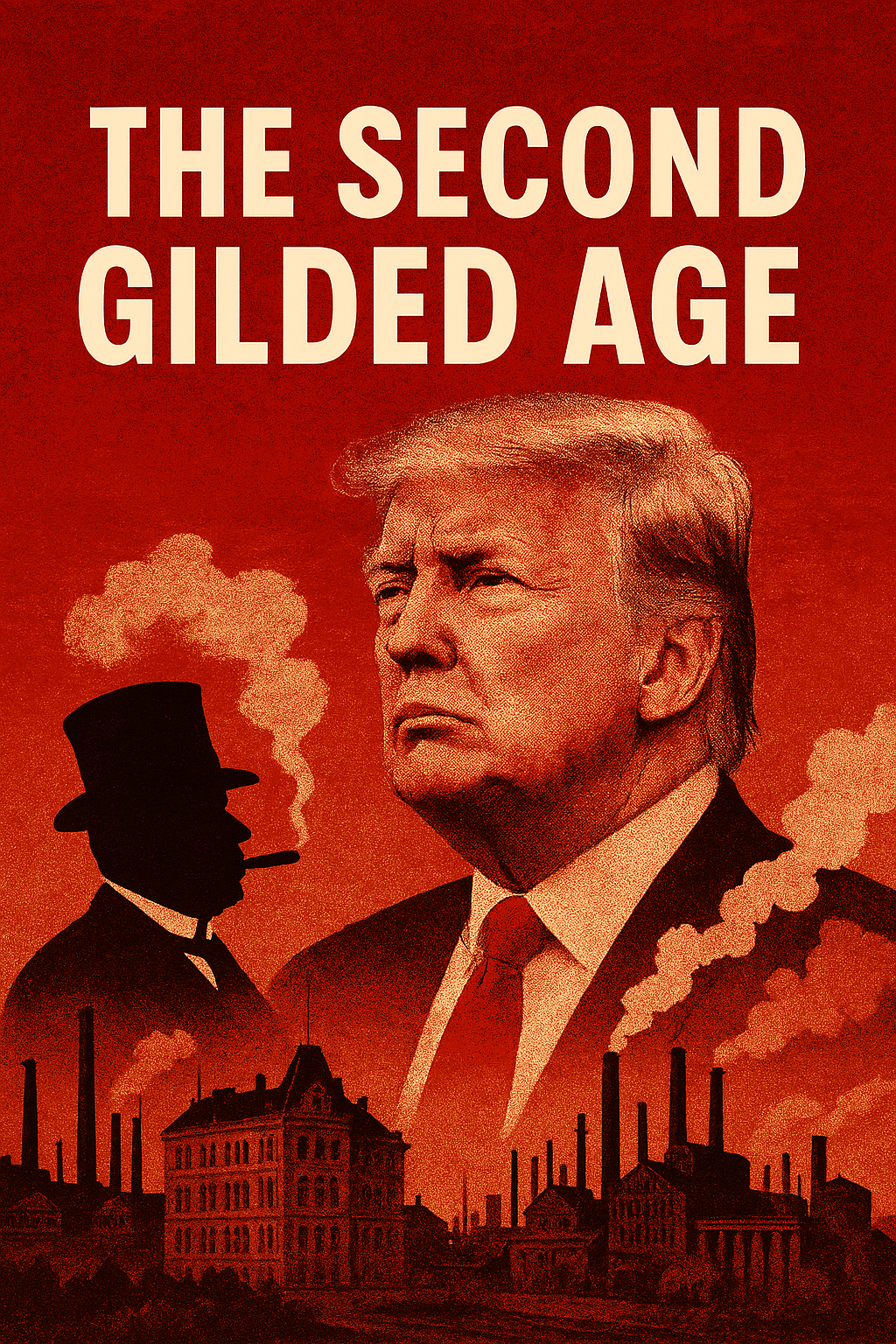
On Trump’s tariffs and the fantasy of economic control
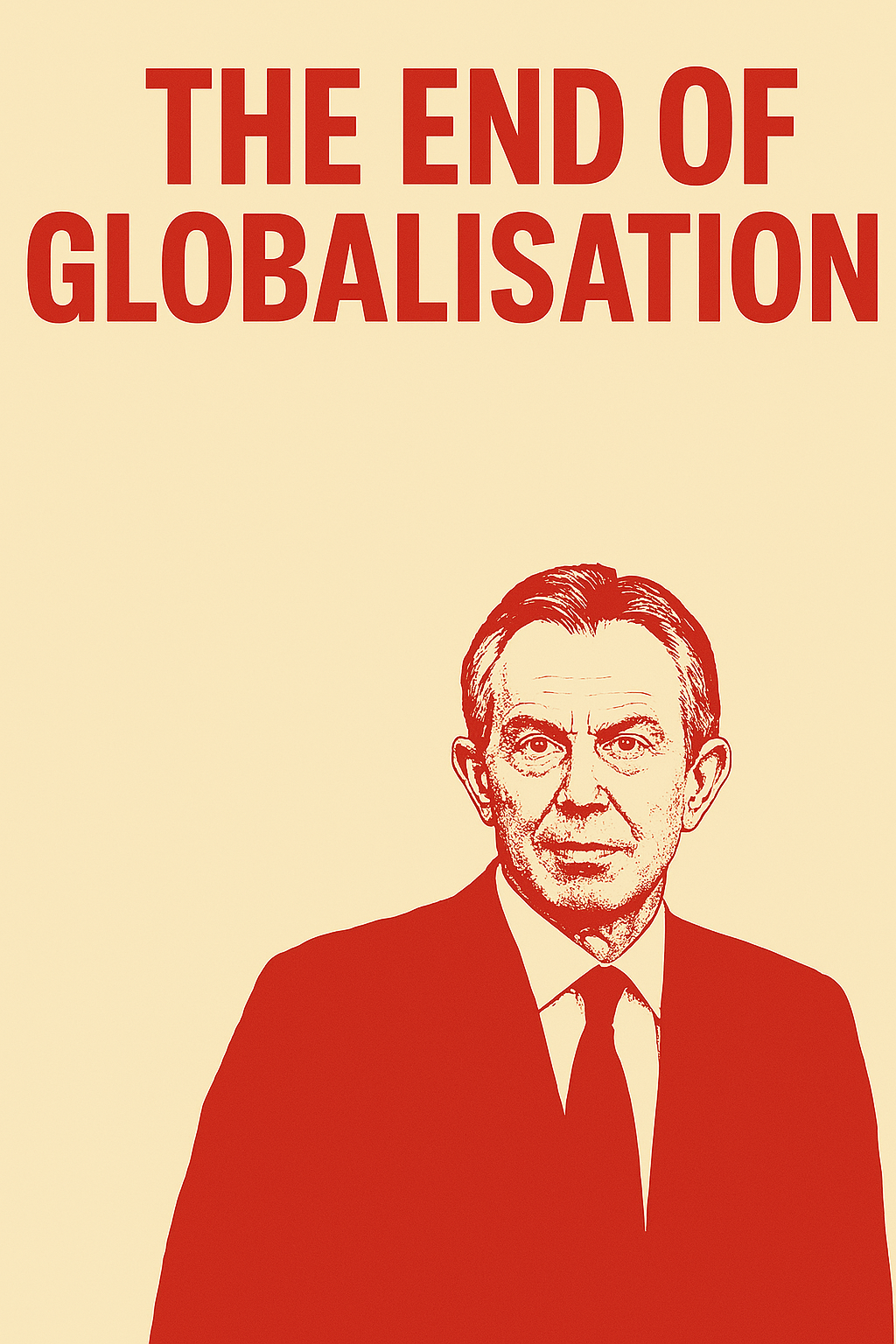
On Blair, Starmer, and the end of globalisation
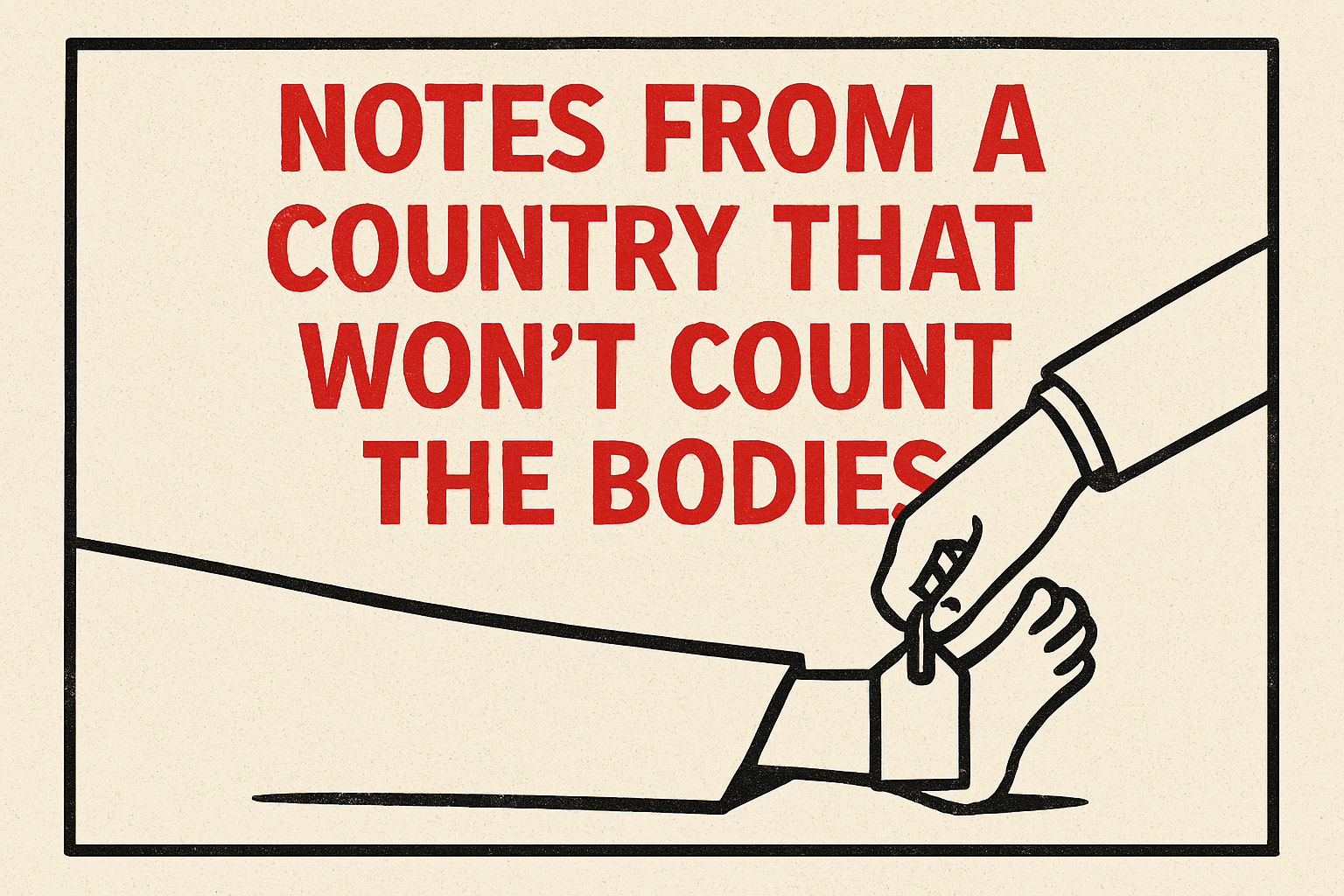
Austerity at home, impunity abroad, this is the Britain that won’t count the bodies, so long as capital is kept comfortable.
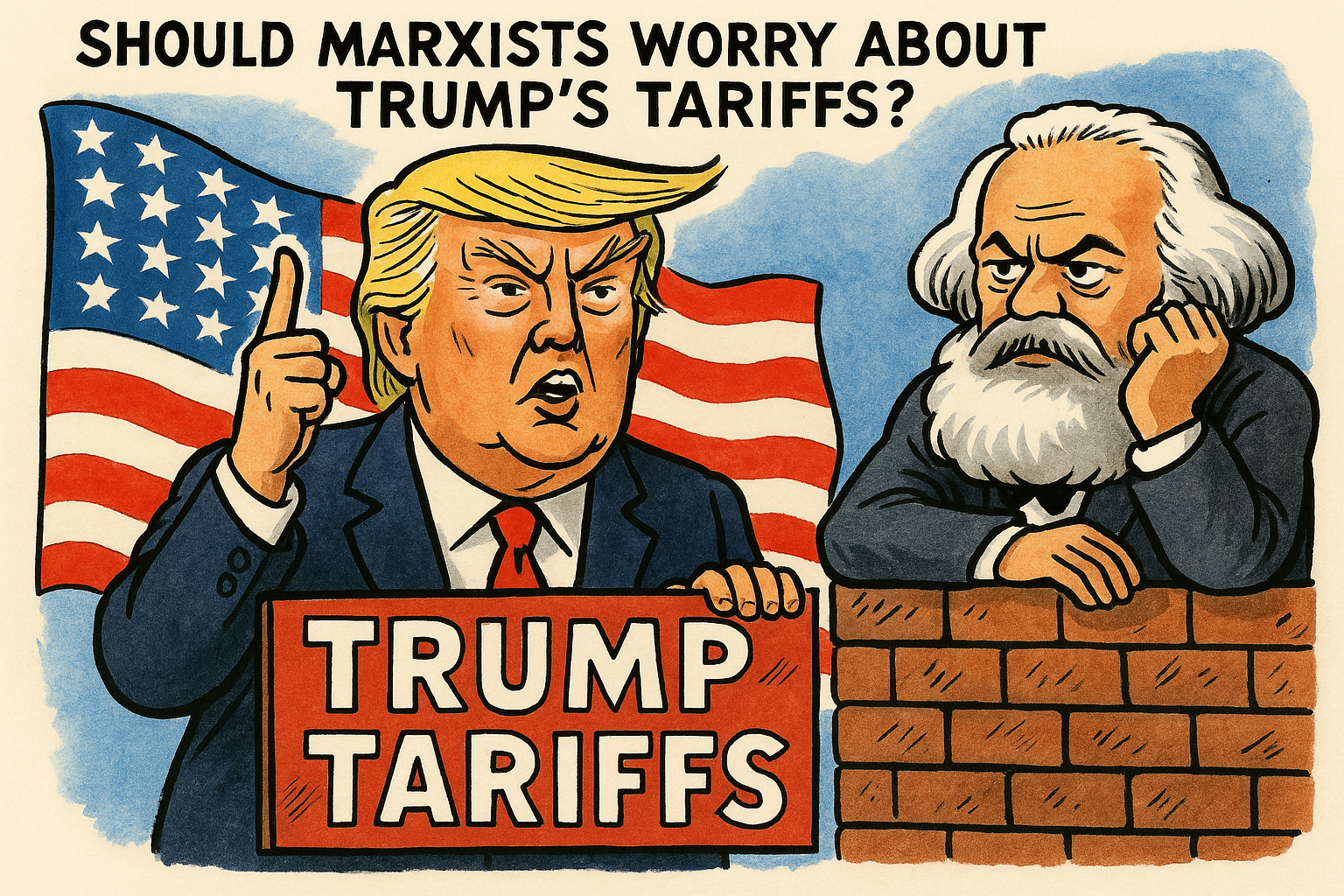
Trump’s new tariffs aren’t a return to protectionism so much as a sign that capital, cornered and decadent, is turning inward, more coercive, more nationalist, and more dangerous.
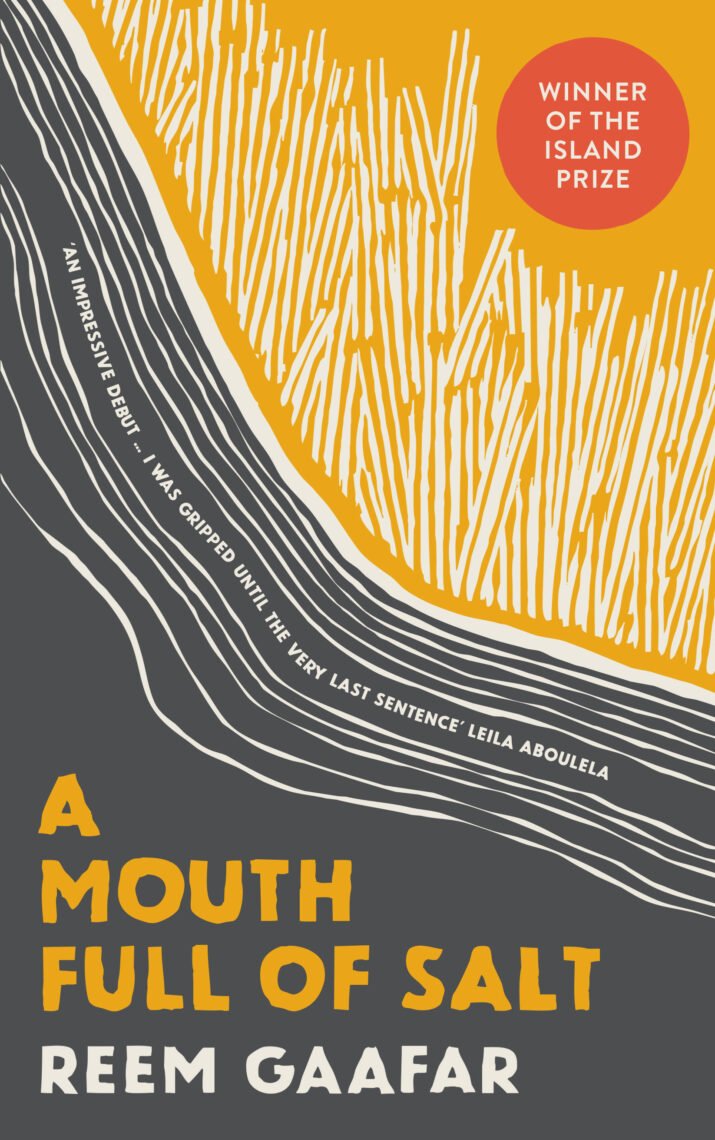
In Reem Gaafar’s first novel, the Nile doesn’t just carry the dead, it carries the weight of history, abandonment and everything the state refuses to name.

From Le Pen to Netanyahu, today’s political class treats the law not as a constraint but as a tool of power, discarded the moment it threatens their impunity.

In Capital’s Grave, Jodi Dean argues that capitalism isn’t simply in crisis, it’s decomposing into a new neofeudal order of rent, servitude and fragmented power.

Jeffrey Sachs wants you to believe the world’s problems can be solved by breaking U.S. dominance and letting other powers rise. But that’s not anti-imperialism, it’s just a multipolar fantasy.

Michel Houellebecq’s Annihilation is a novel about the end of things: not apocalypse, not collapse, but the quieter, lonelier ruin of meaning in a technocratic capitalism that no longer pretends to offer hope.

In The Revolutionary Self, Lynn Hunt traces the emergence of the modern individual through civility, sentiment and social change, but beneath the porcelain surface lies the machinery of capital, empire and class discipline.