
The chancellor’s proposed income tax shuffle is clever accountancy but toxic politics — a pledge-break disguised as fiscal discipline, and proof that Labour has trapped itself in rules it cannot escape.
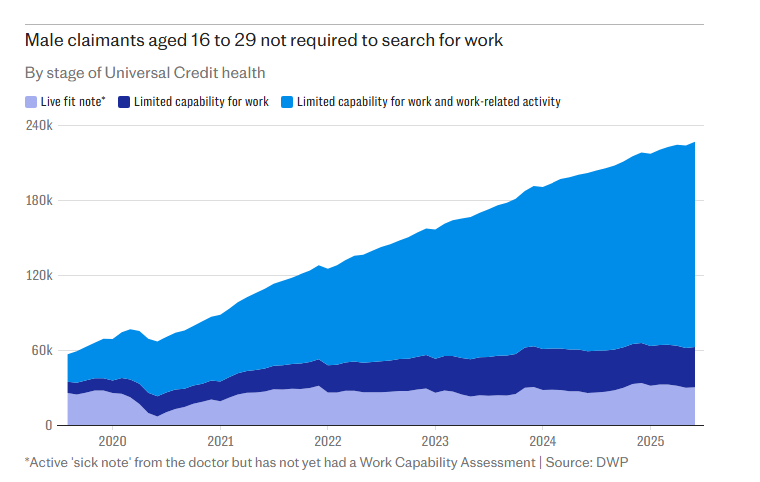
More than 200,000 young men aren’t “signed off for life”—they are the reserve army of labour, conscripted into the Telegraph’s morality tale to prepare the ground for austerity.
David Frost calls it a new “Red Terror.” The truth is plainer: it’s the Right’s wars, coups and crackdowns that have spilt the deepest blood in politics.

Trump’s latest “kinetic strike” killed three unknown Venezuelans he labelled “narco-terrorists.” The phrase is not law but incantation, a word that strips away humanity and legitimises killing. From Vietnam body counts to Obama’s “signature strikes,” America has always named its enemies into existence, and into death.
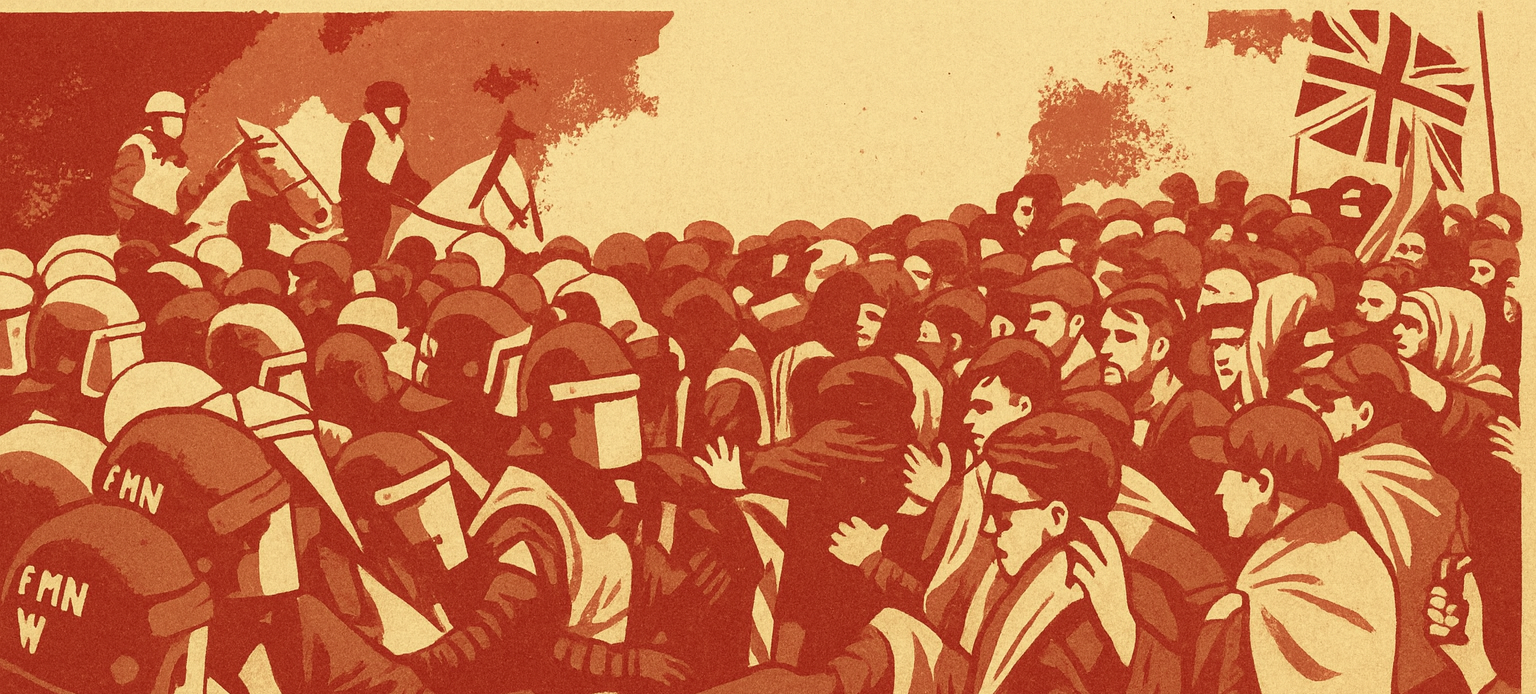
To call Robinson’s rally “populist” or “right-wing” is to miss the point. Fascism doesn’t require every marcher to be a coherent ideologue; it requires a mass, a scapegoat, and leaders prepared to turn grievance into violence. That is what we saw in London.

The events of Saturday (13/09) prove that Britain can go fascist. Musk calls for violence, the Telegraph and Times launder his words, and Starmer clings to the flag. We must name the danger or watch it grow.
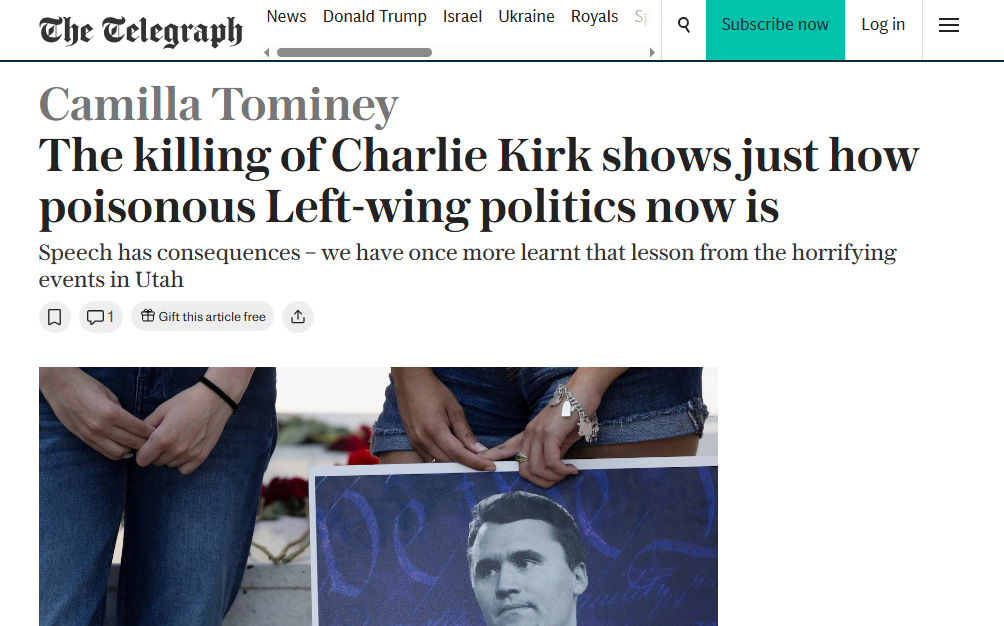
Camilla Tominey’s sainthood act for Charlie Kirk trades politics for piety. The Right already owns the machinery (press, finance, courts, police) and Kirk was part of the drive shaft. A death certificate doesn’t wash clean a career built on making violence respectable.
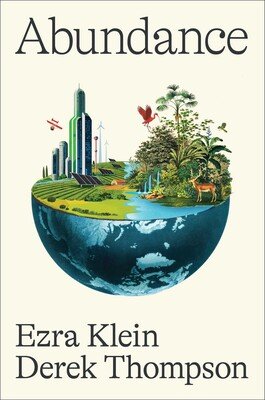
Klein and Thompson promise a post-scarcity future powered by clean energy, AI, and vertical farms, but their liberal techno-optimism leaves untouched the class relations and ownership structures that produce crisis in the first place.

Drawing on the work of William I. Robinson, this essay traces how Trump’s America—already operating under the logic of the global police state—and Starmer’s Britain are converging on a model of technocratic repression, outsourced violence and algorithmic control, where the state no longer seeks consent but governs through code.

Michael Lewis has always been at his best when writing about finance, exposing the absurdities and myths of capital. Who Is Government? is a departure, an obituary for the administrative state, told through a series of essays by various writers.

All UK families will be worse off by 2030, according to the latest data. Starmer’s Labour doesn’t plan to change that, only to manage the fallout.

Jean-Luc Mélenchon’s Now, the People! Revolution in the 21st Century, published by Verso books, is a sweeping and urgent call for a citizens’ revolution, rooted in French republicanism but alive to the crises shaping political struggle across Europe and beyond.

Britain is rearming, not to defend its people, but to discipline them.
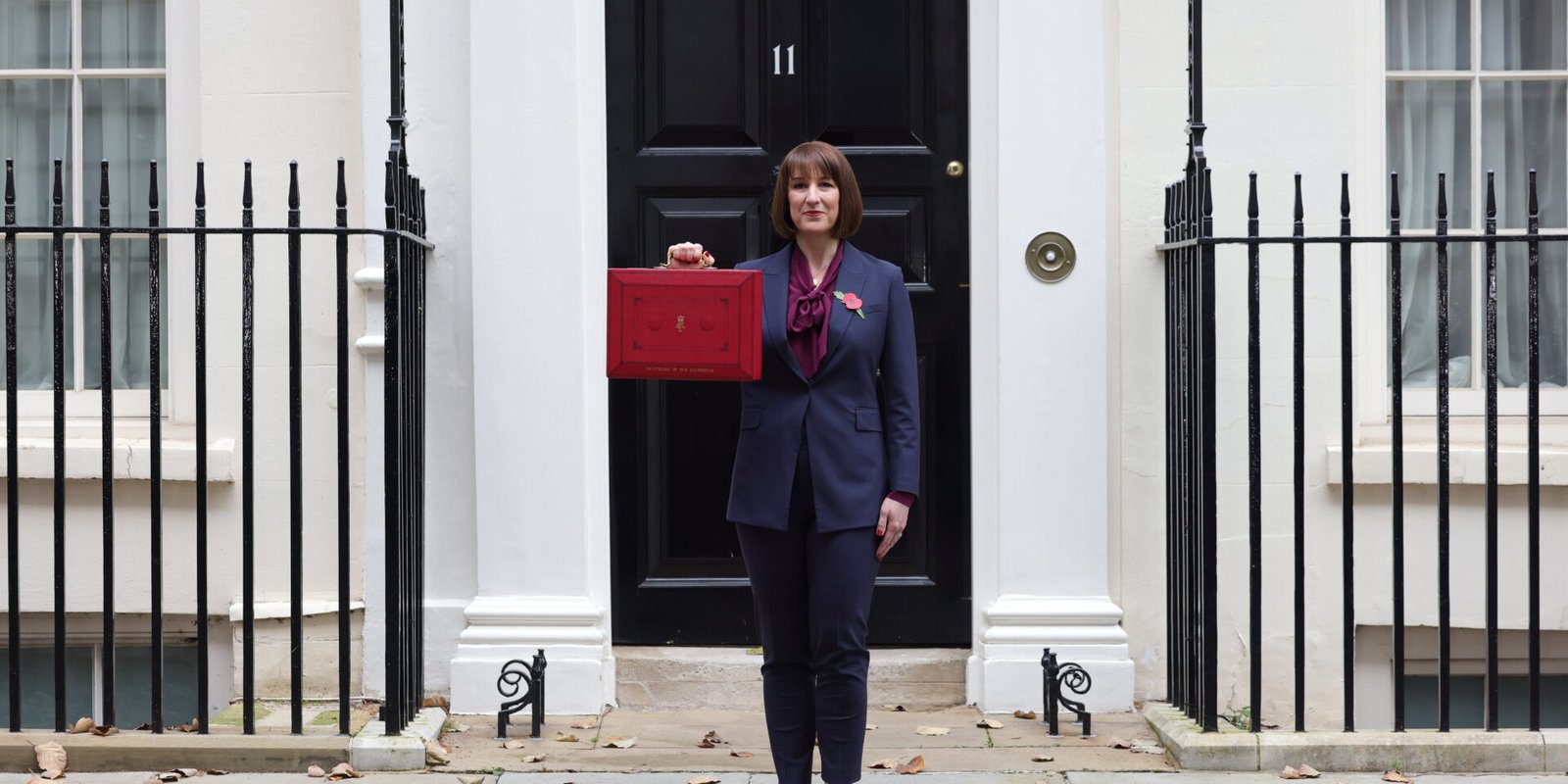
As Starmer’s Labour government deepens public sector cuts, the silence from Reform UK is as revealing as the policy itself.

Twenty-two years ago, millions marched against the invasion of Iraq. I was one of them. We were right; the war was wrong. And yet it happened anyway. That was the moment I realised: marching doesn’t cut through when empire’s at stake.

Watching Severance, I couldn’t help wondering if we’re already living it, split between the person we are at work and who we are the rest of the time, with capitalism quietly stealing the best parts of us.

I knew the late Neil Faulkner, and I have always meant to review his last book; he was a storyteller, a fighter, and one of the great Marxist historians, someone who could hold a room and remind you that history is not past but struggle.