The chancellor’s proposed income tax shuffle is clever accountancy but toxic politics — a pledge-break disguised as fiscal discipline, and proof that Labour has trapped itself in rules it cannot escape.
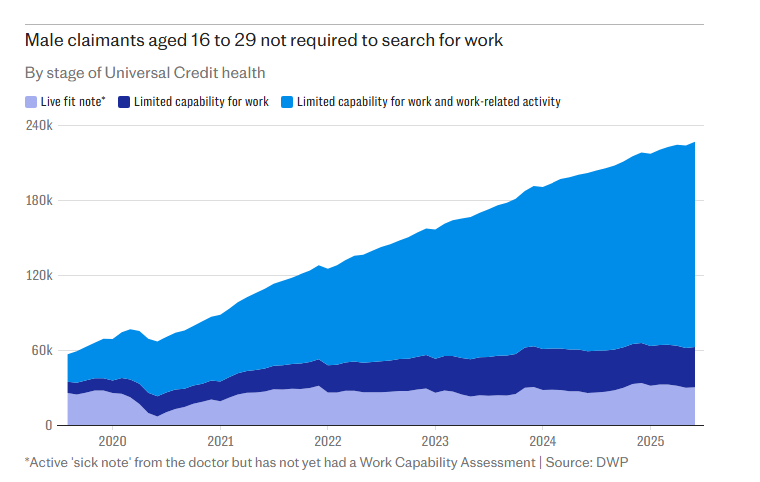
More than 200,000 young men aren’t “signed off for life”—they are the reserve army of labour, conscripted into the Telegraph’s morality tale to prepare the ground for austerity.
David Frost calls it a new “Red Terror.” The truth is plainer: it’s the Right’s wars, coups and crackdowns that have spilt the deepest blood in politics.
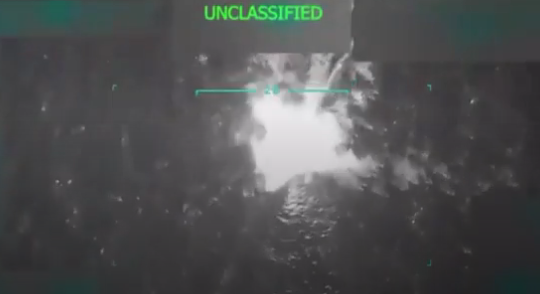
Trump’s latest “kinetic strike” killed three unknown Venezuelans he labelled “narco-terrorists.” The phrase is not law but incantation, a word that strips away humanity and legitimises killing. From Vietnam body counts to Obama’s “signature strikes,” America has always named its enemies into existence, and into death.
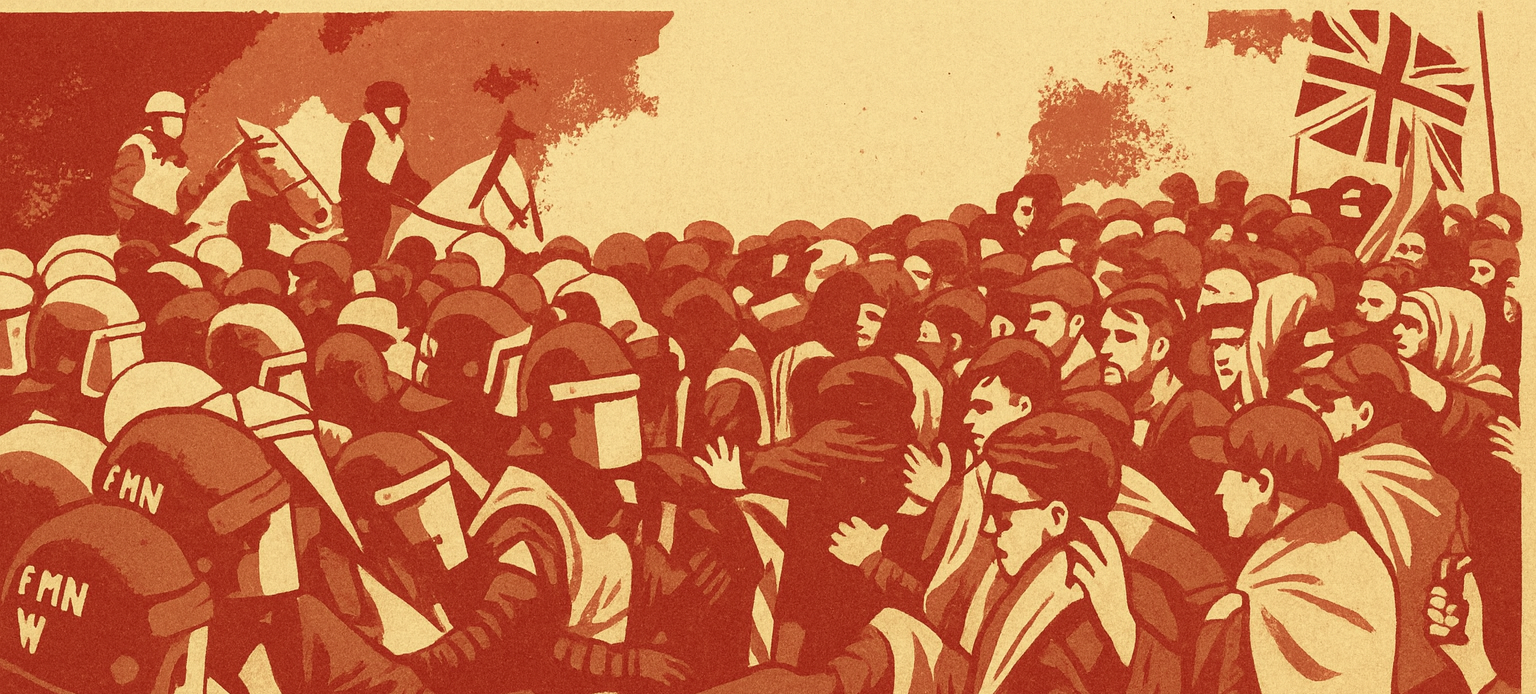
To call Robinson’s rally “populist” or “right-wing” is to miss the point. Fascism doesn’t require every marcher to be a coherent ideologue; it requires a mass, a scapegoat, and leaders prepared to turn grievance into violence. That is what we saw in London.
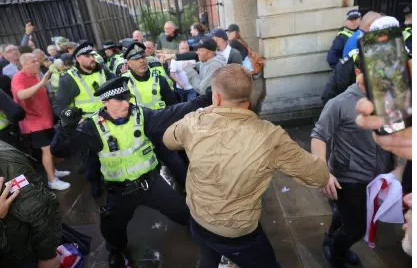
The events of Saturday (13/09) prove that Britain can go fascist. Musk calls for violence, the Telegraph and Times launder his words, and Starmer clings to the flag. We must name the danger or watch it grow.
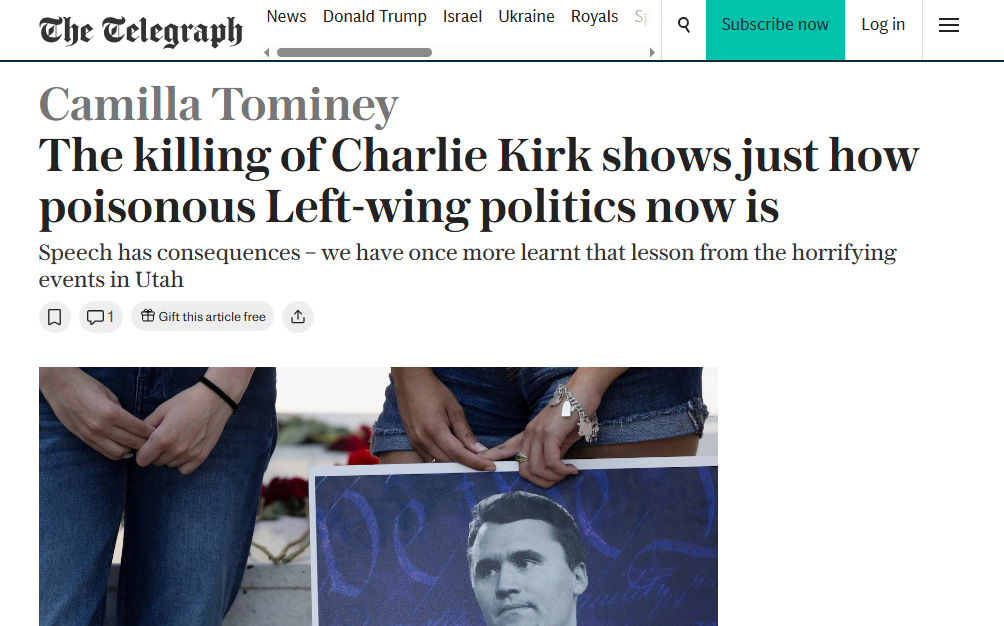
Camilla Tominey’s sainthood act for Charlie Kirk trades politics for piety. The Right already owns the machinery (press, finance, courts, police) and Kirk was part of the drive shaft. A death certificate doesn’t wash clean a career built on making violence respectable.
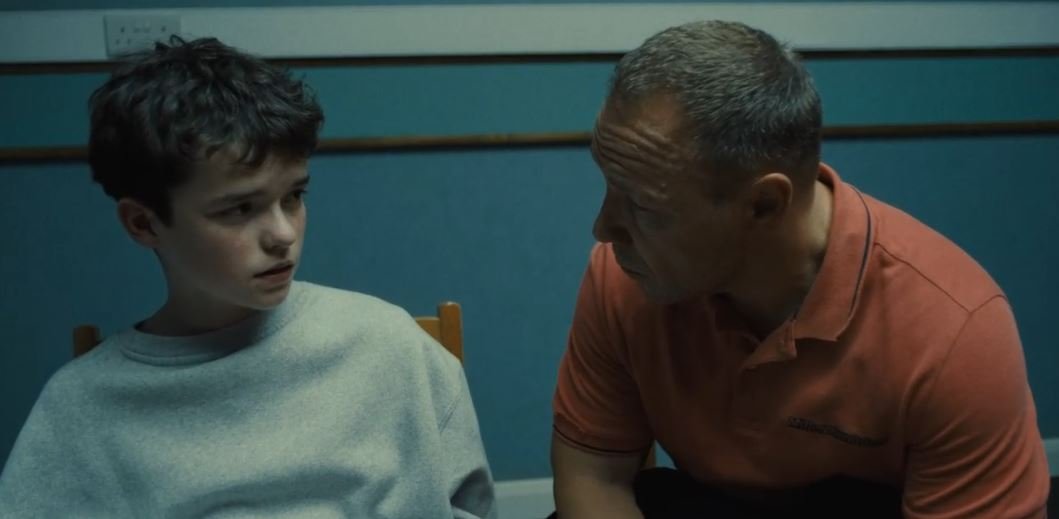
Full of unflinching realism, Adolescence is a harrowing exploration of justice, masculinity, and radicalisation, told in relentless real time. This review contains spoilers.

David Peace’s Munichs is not just a novel about the Munich air disaster, it is a novel about how tragedy lingers, how history is shaped in grief and uncertainty, and how disaster, in the absence of instant news, once unfolded in echoes and silence.

The £3bn bailout of Thames Water is not a rescue but a reckoning, three decades after privatisation, Britain’s largest water company has collapsed under the weight of debt, greed, and regulatory failure, leaving the public to clean up the mess.

Labour’s path to victory depends on persuading voters like my dad that it won’t make life harder, but right now, he thinks Ed Miliband’s energy policies and Rachel Reeves’ tax hikes are doing exactly that.
For one long summer, our local rec was filled with the sound of kids playing kabaddi, breath held, bodies darting between the swings and the seesaw, a game that arrived without fanfare and disappeared just as suddenly. Now, as the Kabaddi World Cup lands in the West Midlands, and football bends to the will of capital, the games Britain plays, and who controls them, tell us more than ever about the country we have become.

Labour’s plan to cut £5 billion from disability benefits isn’t just a betrayal of its supposed principles, it’s a grim rerun of austerity, dressed up in the language of tough but fair reform.

This review explores how Richard Beck’s Homeland and Lewis Lapham’s Age of Folly reveal the profound domestic and global consequences of America’s response to 9/11, from creeping authoritarianism at home to declining influence abroad.

J.D. Vance isn’t merely Trump’s Vice President, he’s the intellectual architect of a disciplined, reactionary project intent on dismantling democracy at home and abroad.

Sarah Wynn-Williams’s Careless People exposes Facebook’s internal reckoning with its role in political manipulation, revealing a company that prioritised engagement over ethics and profit over truth.

The arrest of Mahmoud Khalil is not just an attack on one activist, it is a chilling demonstration of how the state can manufacture criminality in real time, silencing dissent without justification or consequence.