
The chancellor’s proposed income tax shuffle is clever accountancy but toxic politics — a pledge-break disguised as fiscal discipline, and proof that Labour has trapped itself in rules it cannot escape.
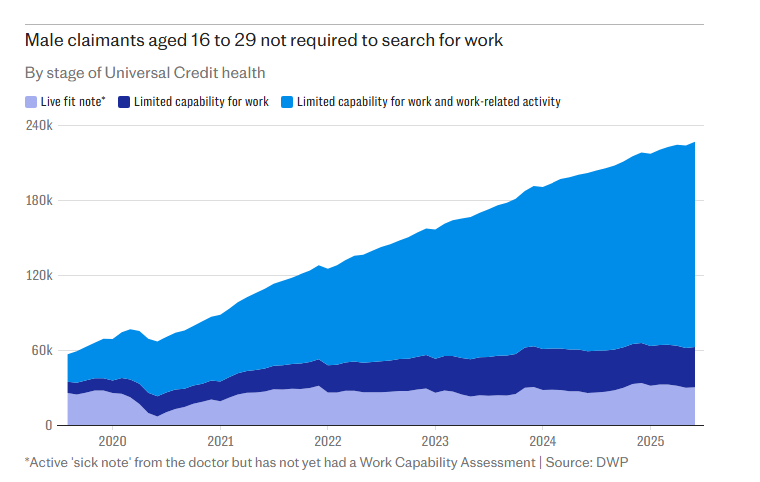
More than 200,000 young men aren’t “signed off for life”—they are the reserve army of labour, conscripted into the Telegraph’s morality tale to prepare the ground for austerity.
David Frost calls it a new “Red Terror.” The truth is plainer: it’s the Right’s wars, coups and crackdowns that have spilt the deepest blood in politics.

Trump’s latest “kinetic strike” killed three unknown Venezuelans he labelled “narco-terrorists.” The phrase is not law but incantation, a word that strips away humanity and legitimises killing. From Vietnam body counts to Obama’s “signature strikes,” America has always named its enemies into existence, and into death.
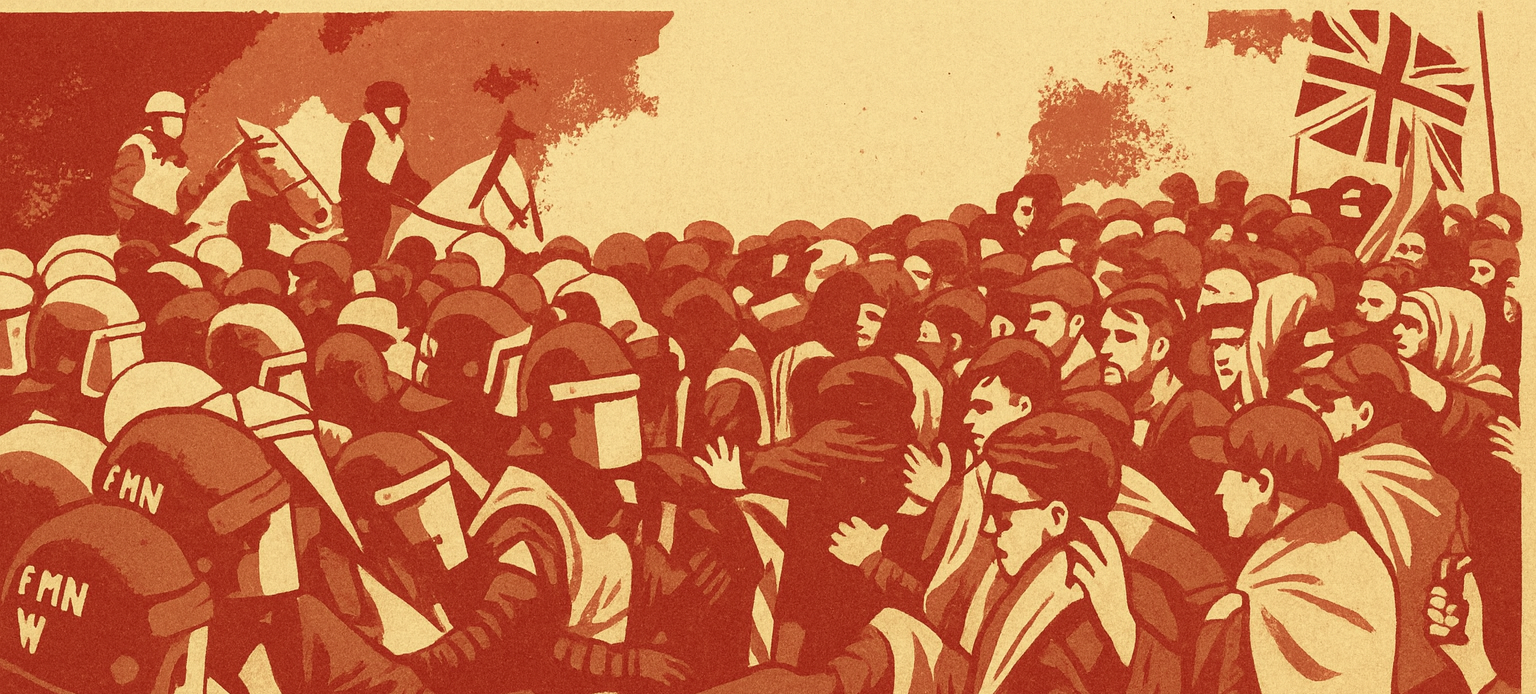
To call Robinson’s rally “populist” or “right-wing” is to miss the point. Fascism doesn’t require every marcher to be a coherent ideologue; it requires a mass, a scapegoat, and leaders prepared to turn grievance into violence. That is what we saw in London.
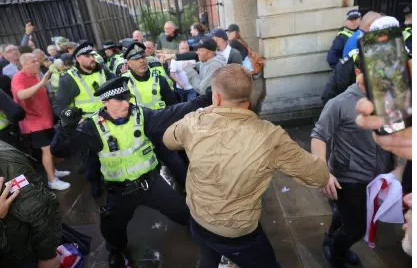
The events of Saturday (13/09) prove that Britain can go fascist. Musk calls for violence, the Telegraph and Times launder his words, and Starmer clings to the flag. We must name the danger or watch it grow.
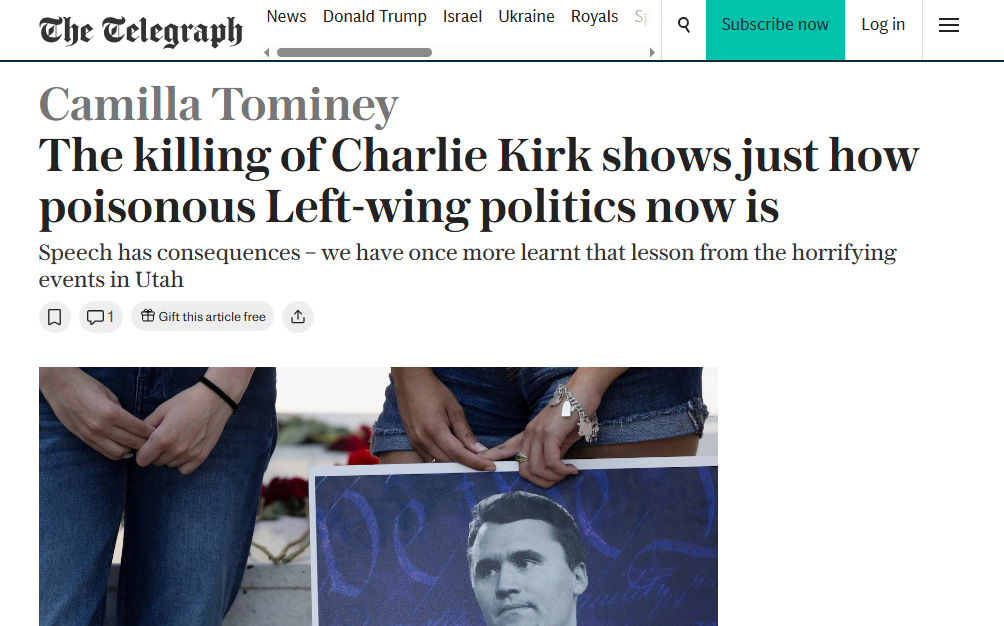
Camilla Tominey’s sainthood act for Charlie Kirk trades politics for piety. The Right already owns the machinery (press, finance, courts, police) and Kirk was part of the drive shaft. A death certificate doesn’t wash clean a career built on making violence respectable.

The Metropolitan Police’s deep-rooted issues demand a comprehensive overhaul, leading to the urgent question: is it time to dismantle the Met and rebuild a force that truly serves London’s diverse communities?
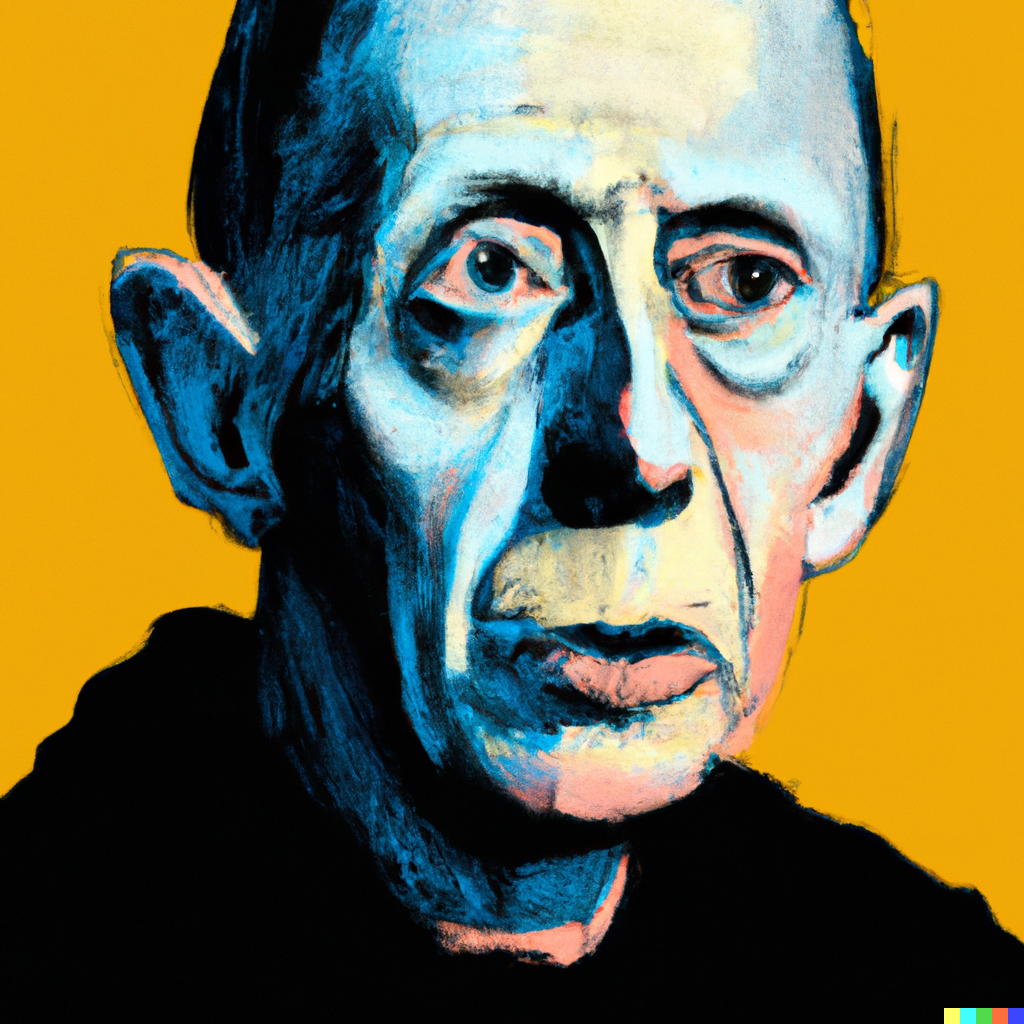
Through the ideas of Stuart Hall, this post looks at the persistent problems of the Metropolitan Police and the complicated relationship between policing, power, and social inequality.
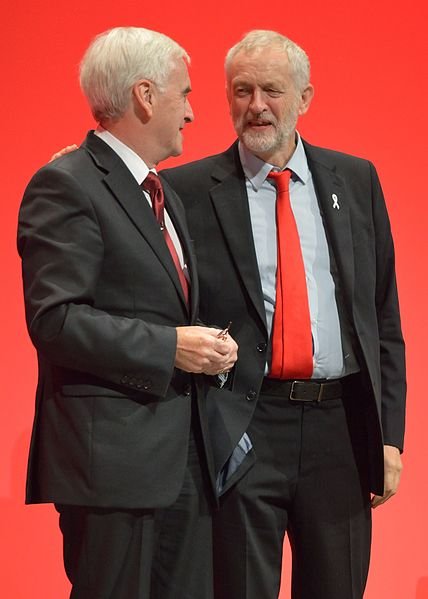
In this blog post, I delve into the complex dynamics of the Labour Party’s response to the war in Ukraine and challenge the oversimplified critiques presented by Kevin Bean in his Weekly Worker article. I emphasise the importance of a nuanced approach, party unity, and pragmatism, exploring the diverse perspectives within the Labour left and their contributions to the broader political discourse.
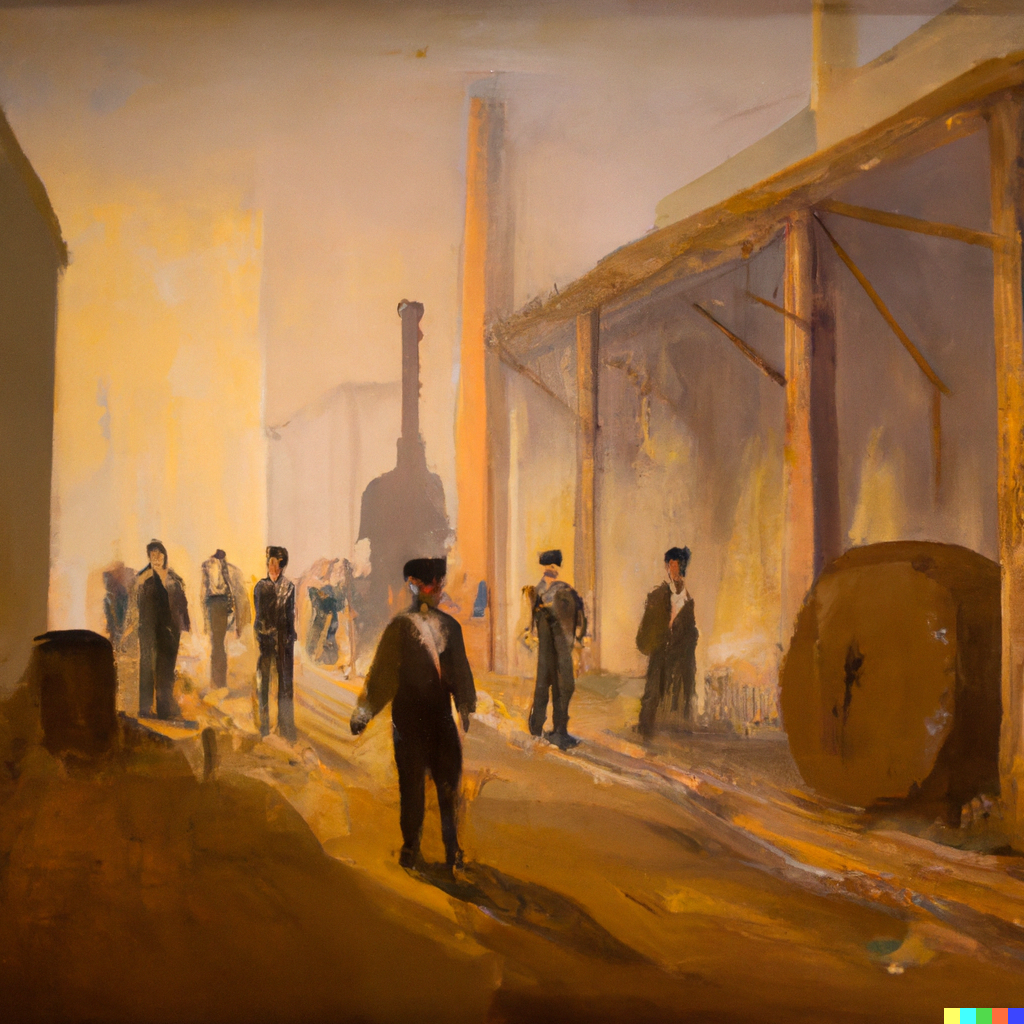
Exploring the enduring relevance of class in modern society, this post delves into the works of Didier Eribon, Édouard Louis, and Richard Sennett to shed light on the complexities of class-based inequalities and the importance of confronting them.

This post explores the growing threat of creeping fascism in the UK political landscape, particularly within the Conservative Party. It examines recent actions by the government, including the exclusion of critical media outlets from the Home Secretary’s trip to Rwanda and the policy to deport asylum seekers, in light of the “creeping fascism” thesis. The post argues that the Tories’ use of jingoistic and anti-immigrant rhetoric is a deliberate tactic to distract from the real issues facing the UK and consolidate their power.

Join “Politics Theory Other” for an exploration of the fascist model with historian Adam Tooze, tune in to “Bungacast” to understand the complexities of capitalism with critical theorist Albena Azmanova, and listen to “Knowledge Fight” as hosts Dan and Jordan take on the dangerous world of Infowars with their signature mix of humour and seriousness.

As we approach the anniversary of the start of the Iraq War, there has been a surge in retrospective articles examining the conflict and its aftermath. These introspective pieces provide an opportunity for us to reevaluate the decisions that led to the war, its far-reaching consequences, and the lessons we can glean from this turbulent period in history. By engaging in such reflection, we can better understand the complexities of war and work towards preventing similar catastrophes in the future.
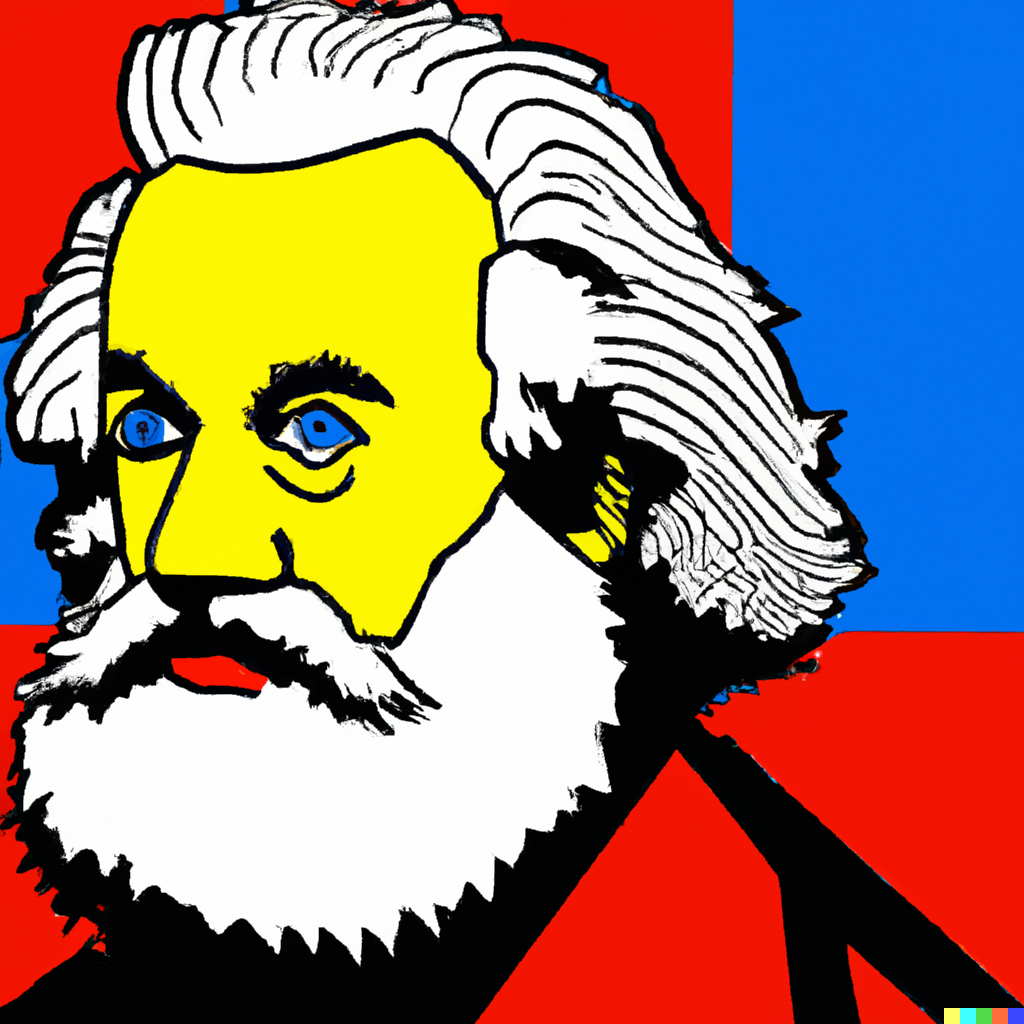
In this post, I look at Althusser’s theory of history, why it’s still important and how it can help us understand the complicated social structures of today. By looking at modern examples like the rise of tech giants, the debate over climate change, and the rise of populism, we can see how Althusser’s ideas still give us important insights into how economic, political, and ideological forces work together to shape our world.

This electrifying video captures the essence of Iran’s resistance, brilliantly exhibiting the unwavering skill, fervour, and bravery of those defying the oppressive rule of the Islamic Republic.

In a world entangled by financial webs, the architects of our economic fate – the bankers – often weave a perilous dance of risk and reward, leaving many to question their responsibility in times of crisis.