
The chancellor’s proposed income tax shuffle is clever accountancy but toxic politics — a pledge-break disguised as fiscal discipline, and proof that Labour has trapped itself in rules it cannot escape.
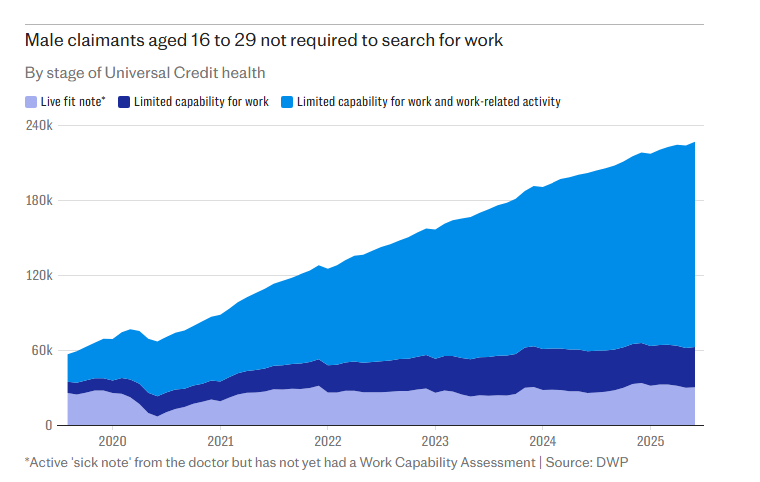
More than 200,000 young men aren’t “signed off for life”—they are the reserve army of labour, conscripted into the Telegraph’s morality tale to prepare the ground for austerity.
David Frost calls it a new “Red Terror.” The truth is plainer: it’s the Right’s wars, coups and crackdowns that have spilt the deepest blood in politics.

Trump’s latest “kinetic strike” killed three unknown Venezuelans he labelled “narco-terrorists.” The phrase is not law but incantation, a word that strips away humanity and legitimises killing. From Vietnam body counts to Obama’s “signature strikes,” America has always named its enemies into existence, and into death.
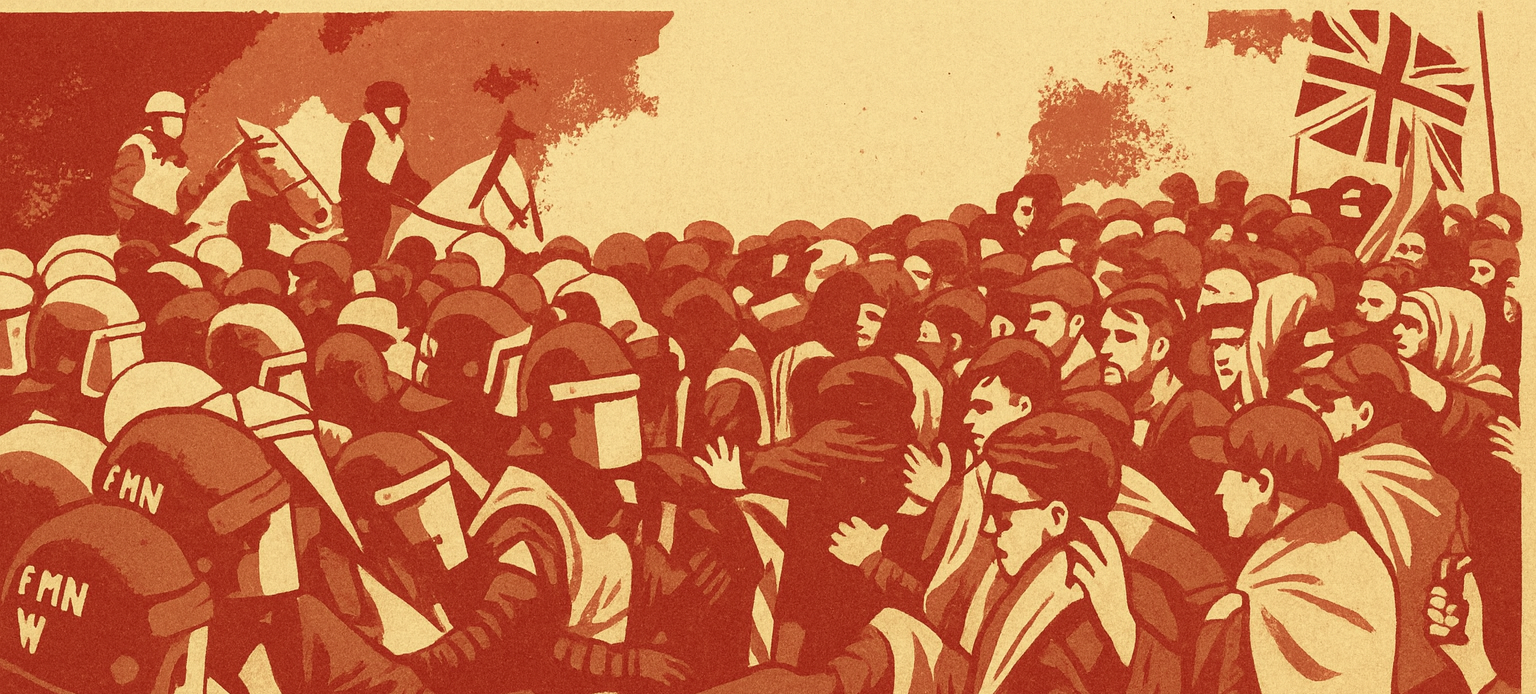
To call Robinson’s rally “populist” or “right-wing” is to miss the point. Fascism doesn’t require every marcher to be a coherent ideologue; it requires a mass, a scapegoat, and leaders prepared to turn grievance into violence. That is what we saw in London.
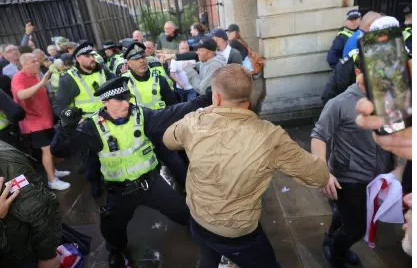
The events of Saturday (13/09) prove that Britain can go fascist. Musk calls for violence, the Telegraph and Times launder his words, and Starmer clings to the flag. We must name the danger or watch it grow.
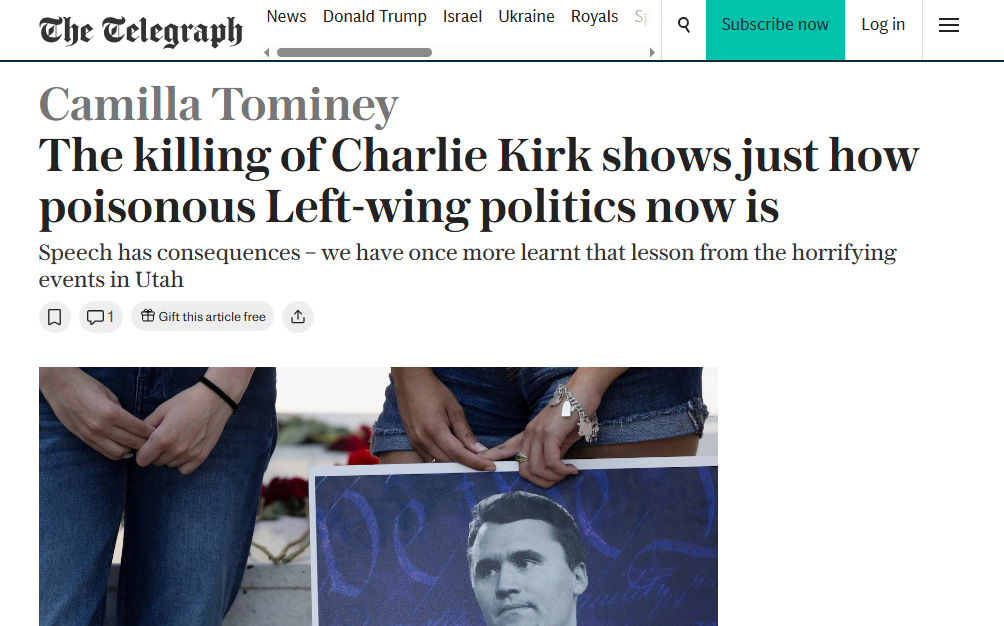
Camilla Tominey’s sainthood act for Charlie Kirk trades politics for piety. The Right already owns the machinery (press, finance, courts, police) and Kirk was part of the drive shaft. A death certificate doesn’t wash clean a career built on making violence respectable.

Navigating the complex tapestry of geopolitics, this article dispels the myth of history’s end and explores the enduring power of ideologies shaping our world.
The Iraq War was not just a regrettable event but a calamitous blunder that continues to reverberate to this day. In scrutinising the reasons behind the conflict and its lingering effects, I’ve delved into three recent articles covering the legacy of the Iraq war, two in Foreign Affairs and one from The Atlantic. These articles detail the ideological and strategic forces that drove the US and UK towards invasion, leading to catastrophic outcomes that were both unforeseen and brutal. The war’s impact gave rise to widespread displacement, which in turn became a breeding ground for violent extremist groups. The dire consequences of misguided military interventions serve as a harsh reminder that war always comes at a great cost, and that those in power must take heed of the lessons of history.

Overcoming sectarianism and building a diverse socialist movement are essential to addressing the urgent issues facing our society today.

Amidst the drip-drip of fear and hatred in our current political climate, Suella Braverman’s chilling words serve as a stark reminder of the inhumanity that lies at the heart of power.
The UK budget reflects a decade of Tory economic mismanagement resulting in a pay cut economy, growing wealth inequality, and declining quality of life for ordinary people, which can be addressed by boosting incomes, taxing the wealthy, and investing in a green economy.

The contemporary left faces many challenges, including the absence of a powerful mass revolutionary party, and must navigate the complexities of modern struggles while adhering to Trotsky’s guidance, all while enduring the paradoxical nature of Starmer’s Labour Party.

A sit-down with this week’s New Statesman magazine reveals John Gray’s analysis on technocratic language, Adrian Pabst’s commentary on higher education, Andrew Marr and Wolfgang Münchau’s insights on bourgeois politics, and a warning on trans hate from a recent podcast on the CPAC conference in the US.

The recent surge in book bans across American schools is yet another example of the dangerous trends towards censorship and conformity. With Republican Florida Governor (and likely presidential hopeful) Ron DeSantis leading the charge, these efforts to limit access to diverse ideas and perspectives are a troubling sign of the right’s desire to maintain their power over us. As we confront these challenges to intellectual freedom and democratic principles, we must stand together and fight for our right to read and think critically.
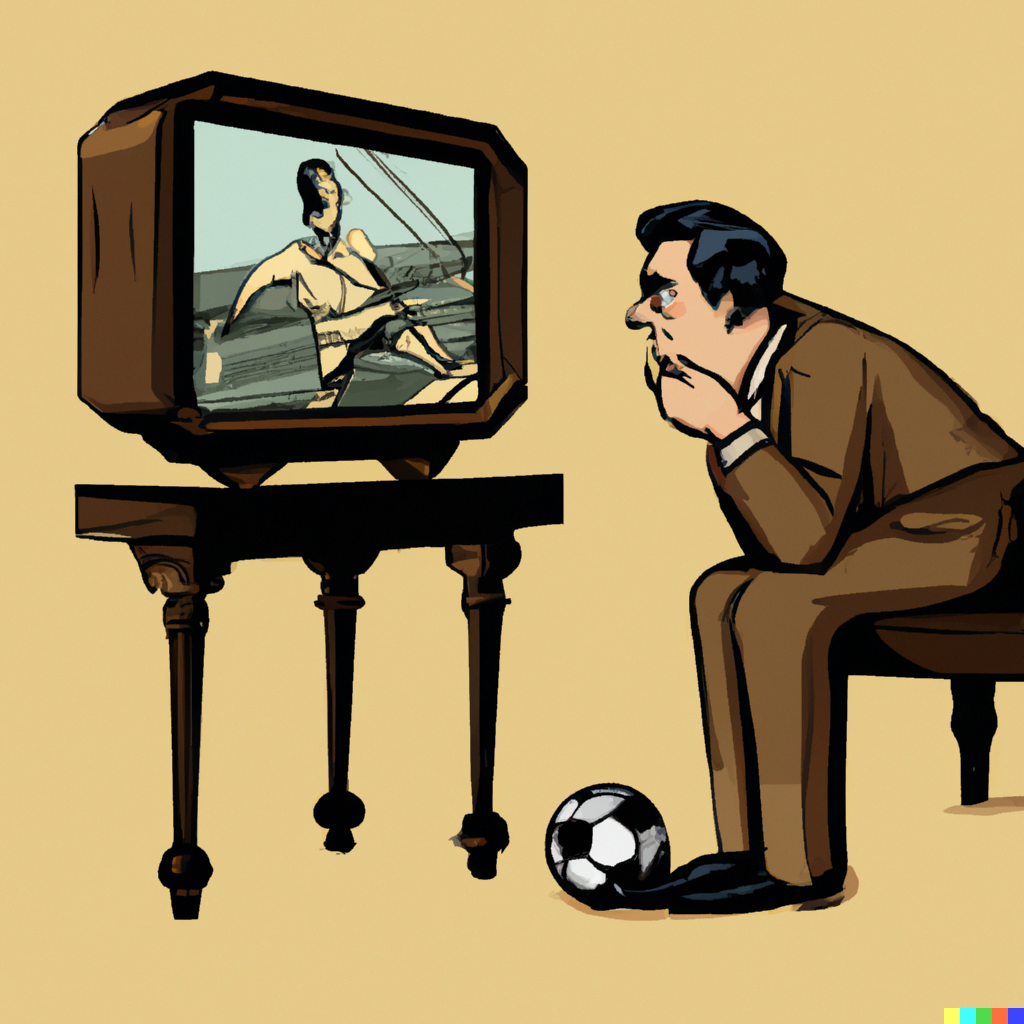
It’s a classic case of power versus principle, and the stakes have never been higher. In the end, it’s not just about football – it’s about the very soul of our democracy.

From Labour to the Tories and now GB News, Lee Anderson’s questionable politics have caused controversy and criticism. As a newly-promoted figure in the Conservative Party and set to join the likes of Rees-Mogg on GB News, Anderson’s remarks on poverty and working class representation have left many wondering whether he truly understands the realities faced by those he claims to speak for.