The chancellor’s proposed income tax shuffle is clever accountancy but toxic politics — a pledge-break disguised as fiscal discipline, and proof that Labour has trapped itself in rules it cannot escape.
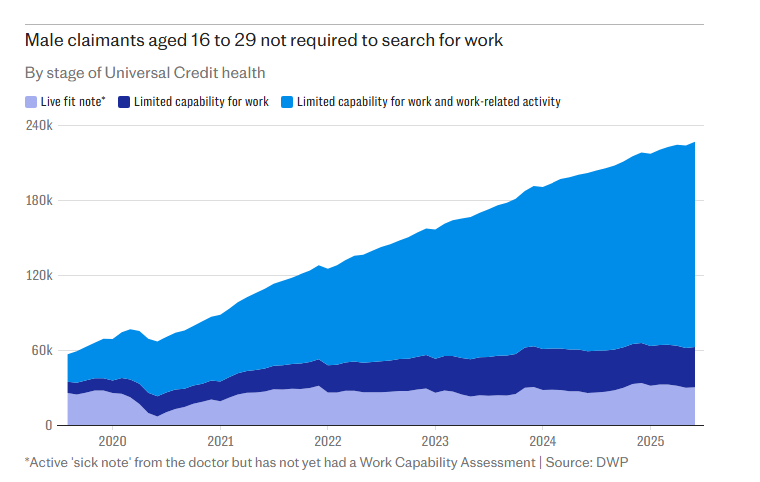
More than 200,000 young men aren’t “signed off for life”—they are the reserve army of labour, conscripted into the Telegraph’s morality tale to prepare the ground for austerity.
David Frost calls it a new “Red Terror.” The truth is plainer: it’s the Right’s wars, coups and crackdowns that have spilt the deepest blood in politics.
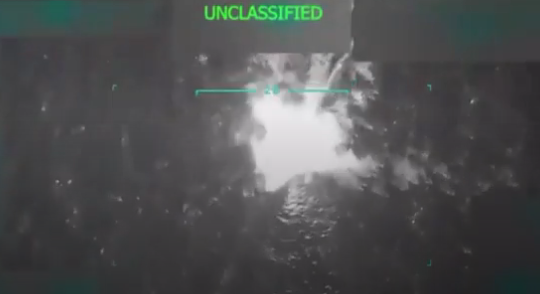
Trump’s latest “kinetic strike” killed three unknown Venezuelans he labelled “narco-terrorists.” The phrase is not law but incantation, a word that strips away humanity and legitimises killing. From Vietnam body counts to Obama’s “signature strikes,” America has always named its enemies into existence, and into death.
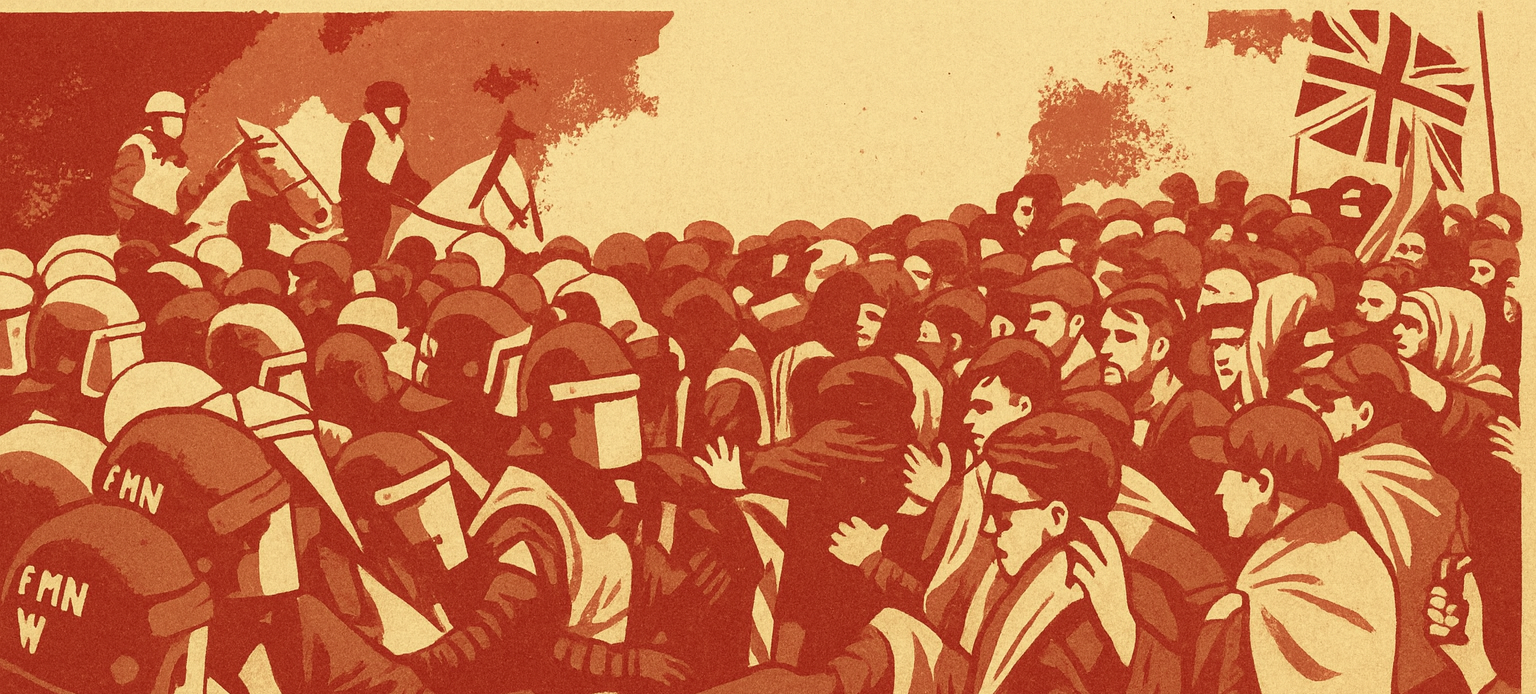
To call Robinson’s rally “populist” or “right-wing” is to miss the point. Fascism doesn’t require every marcher to be a coherent ideologue; it requires a mass, a scapegoat, and leaders prepared to turn grievance into violence. That is what we saw in London.
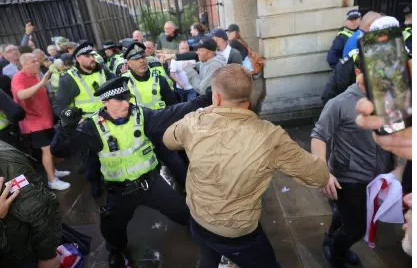
The events of Saturday (13/09) prove that Britain can go fascist. Musk calls for violence, the Telegraph and Times launder his words, and Starmer clings to the flag. We must name the danger or watch it grow.
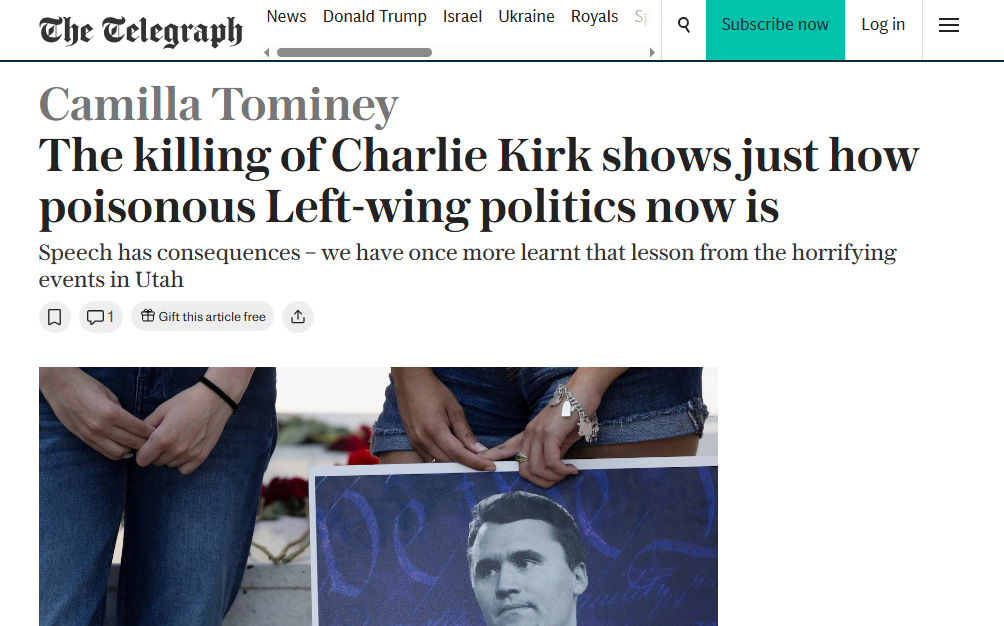
Camilla Tominey’s sainthood act for Charlie Kirk trades politics for piety. The Right already owns the machinery (press, finance, courts, police) and Kirk was part of the drive shaft. A death certificate doesn’t wash clean a career built on making violence respectable.
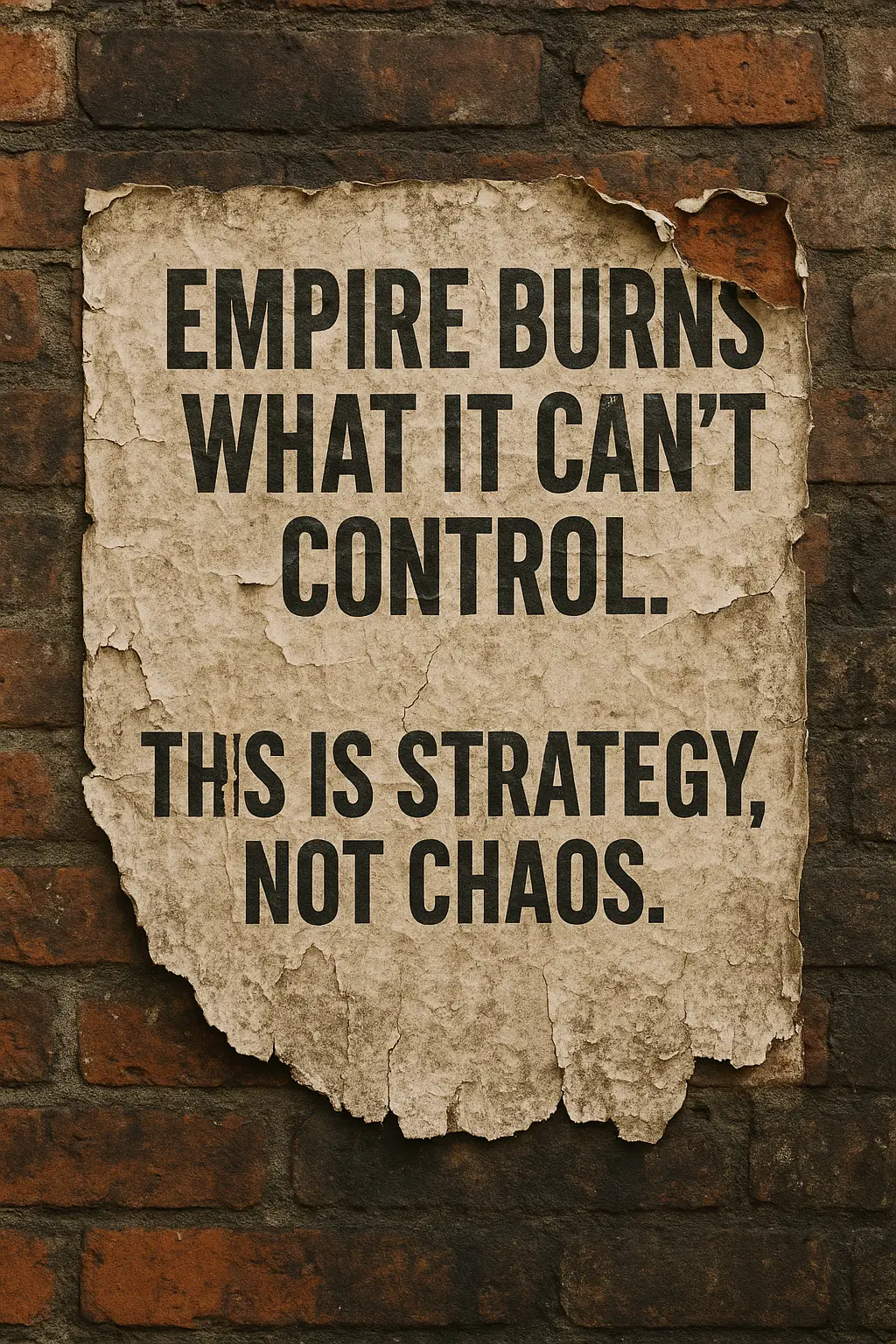
Gaza isn’t a failure. It’s strategy. Empire burns what it can’t control. Mélenchon and Ali don’t moralise. They name it. Oil, siege, war with China. Read it if you’re done with delusion.
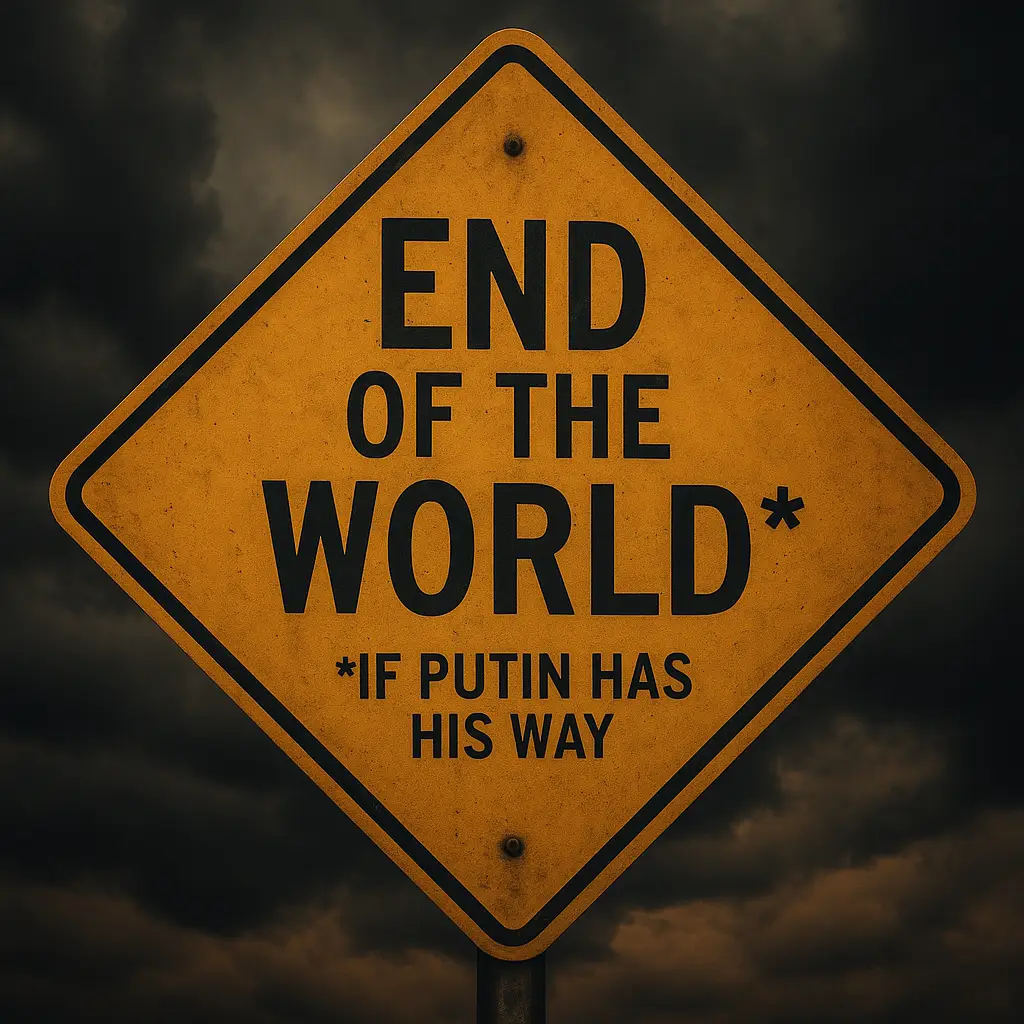
Dugin’s latest tract is less geopolitics than geopolitical psychosis. An unhinged blend of Orthodox ultranationalism, fascist paranoia, and terminal online posting. But buried in the hallucinatory sprawl is a blueprint for what Russia’s ideological vanguard now sees as the next phase: war with Europe, justified not by security, but by metaphysics.

The bombs may fall from jets, but the targeting, the supply chains, the surveillance, all of it is corporate. Gaza isn’t just a warzone. It’s a testing ground. A lab. A marketplace. The killing is done with precision. The profits are logged in real time.

The bullet missed, but the image hit. And it’s the image that rules now. Trump, mid-stumble, hand to ear, flanked by agents in suits. It has already been cropped, filtered, multiplied. Not just a moment, but a message: the strongman under fire, the martyr made live. The spectacle doesn’t distract from the violence; it packages it. Sells it. Projects it across TVs, phones, and tablets until belief hardens into doctrine. This is what power looks like in the age of algorithmic memory: not stability, but survival on camera.
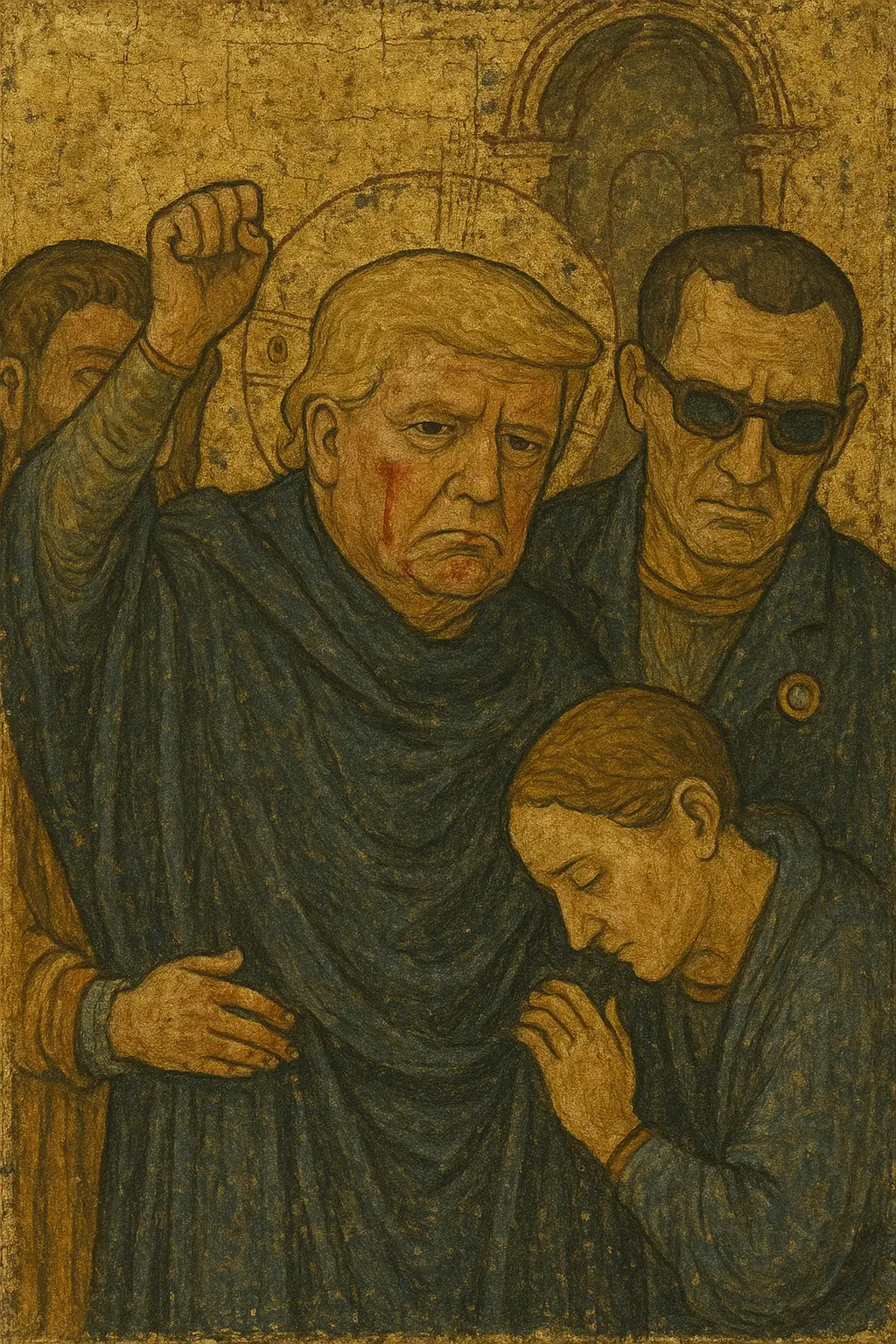
Butler isn’t really about politics. It’s about belief. The bullet didn’t just graze him; it made him sacred. The messy contradictions of 2016 are gone. What’s left is atmosphere, myth, and the story of a man who bled on stage and got up again. The faithful took it as a sign. This isn’t reporting. It’s scripture. A gospel for a leader who survives everything, and so, must rule.
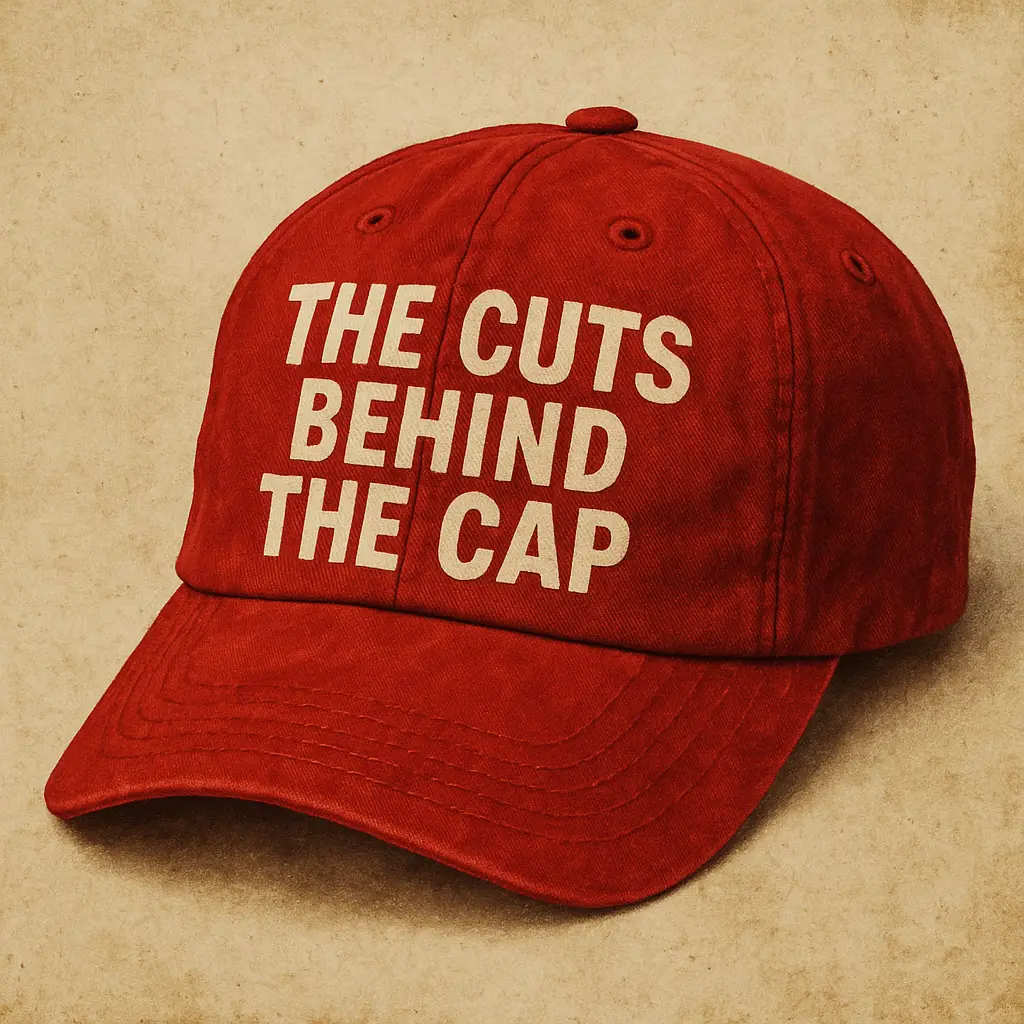
Trump promised to protect the safety net. Instead, he signed a law that slashes Medicaid, imposes work requirements, and purges the rolls by design. His supporters still cheer, not because the cuts help them, but because the performance does. The cap says “Make America Great Again.” The policy says: you’re on your own.
BRICS condemns the bombing of Gaza and strikes on Iran with the language of international law, civilian protection, and sovereignty. But when it comes to Ukraine (a country invaded by one of its founding members) the silence is deafening. This isn’t a blind spot. It’s the logic of bloc politics. BRICS positions itself as a voice for the Global South, an alternative to Western hypocrisy, but it has its own double standards. Anti-imperialism loses its meaning if it only runs one way. The emerging multipolar order may be less Western, but it is not necessarily more just.
The phrase “rules-based international order” has become a punchline. When Russia bombs a maternity hospital, it’s a war crime. When Israel flattens a refugee camp, it’s self-defence. The ICC pursues African warlords and Balkan generals with zeal—but stalls or retreats when the accused are allies of Washington or clients of London. The problem isn’t that international law exists. It’s that it doesn’t apply to everyone. War crimes are prosecuted not on the basis of what’s done, but who does it, and who they do it for.
Behind the talk of “humanitarian cities” and postwar development lies a brutal truth: this is a plan to herd Palestinians into ghettos, fence them in, and call it aid. When Blair’s thinktank is on calls about a “Trump Riviera” in Gaza, you know the project isn’t reconstruction—it’s removal.
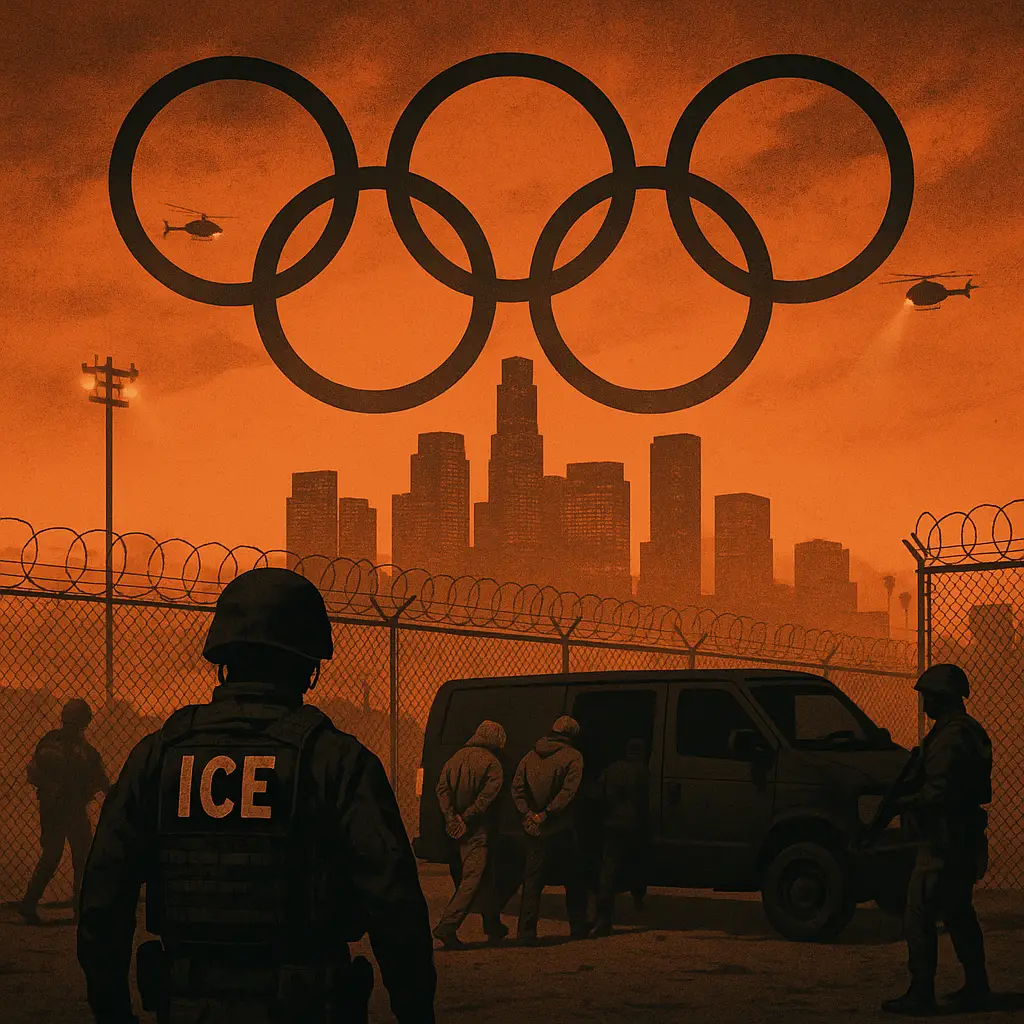
They say the Games are about unity, but what’s happening in LA tells a different story