
The chancellor’s proposed income tax shuffle is clever accountancy but toxic politics — a pledge-break disguised as fiscal discipline, and proof that Labour has trapped itself in rules it cannot escape.
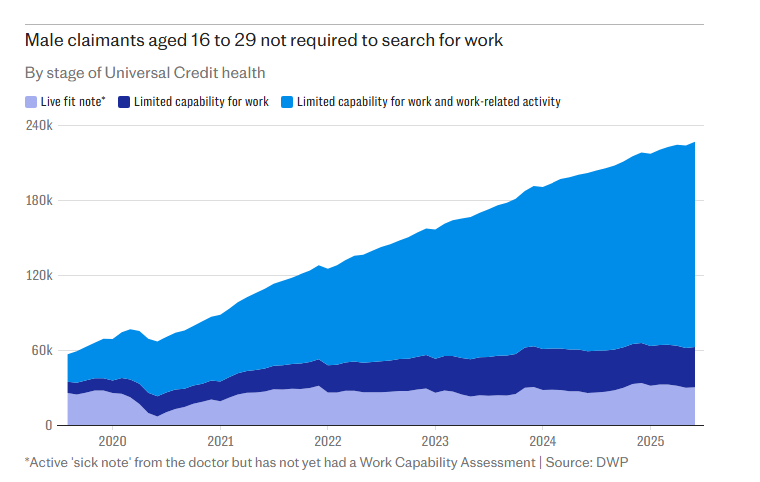
More than 200,000 young men aren’t “signed off for life”—they are the reserve army of labour, conscripted into the Telegraph’s morality tale to prepare the ground for austerity.
David Frost calls it a new “Red Terror.” The truth is plainer: it’s the Right’s wars, coups and crackdowns that have spilt the deepest blood in politics.

Trump’s latest “kinetic strike” killed three unknown Venezuelans he labelled “narco-terrorists.” The phrase is not law but incantation, a word that strips away humanity and legitimises killing. From Vietnam body counts to Obama’s “signature strikes,” America has always named its enemies into existence, and into death.
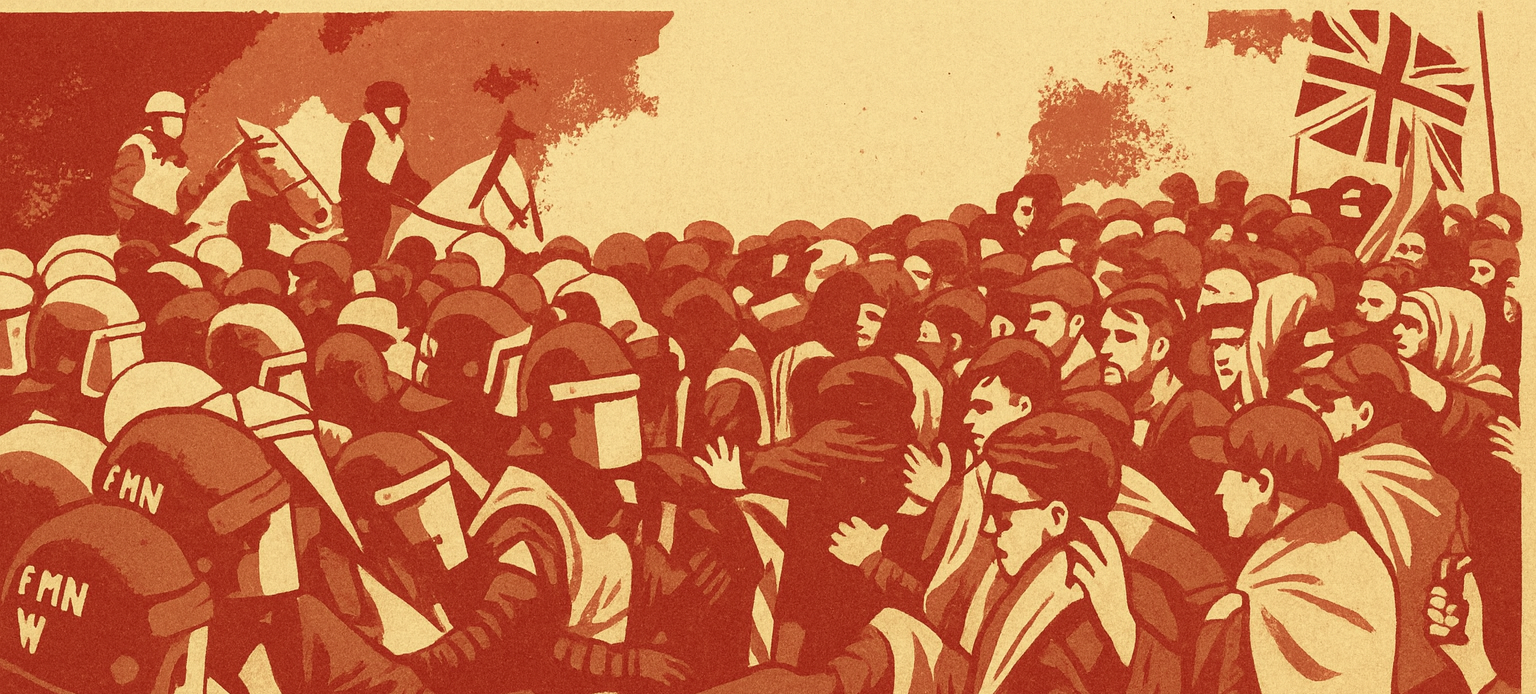
To call Robinson’s rally “populist” or “right-wing” is to miss the point. Fascism doesn’t require every marcher to be a coherent ideologue; it requires a mass, a scapegoat, and leaders prepared to turn grievance into violence. That is what we saw in London.
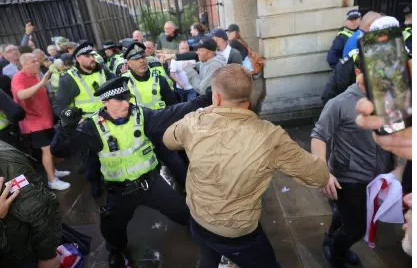
The events of Saturday (13/09) prove that Britain can go fascist. Musk calls for violence, the Telegraph and Times launder his words, and Starmer clings to the flag. We must name the danger or watch it grow.
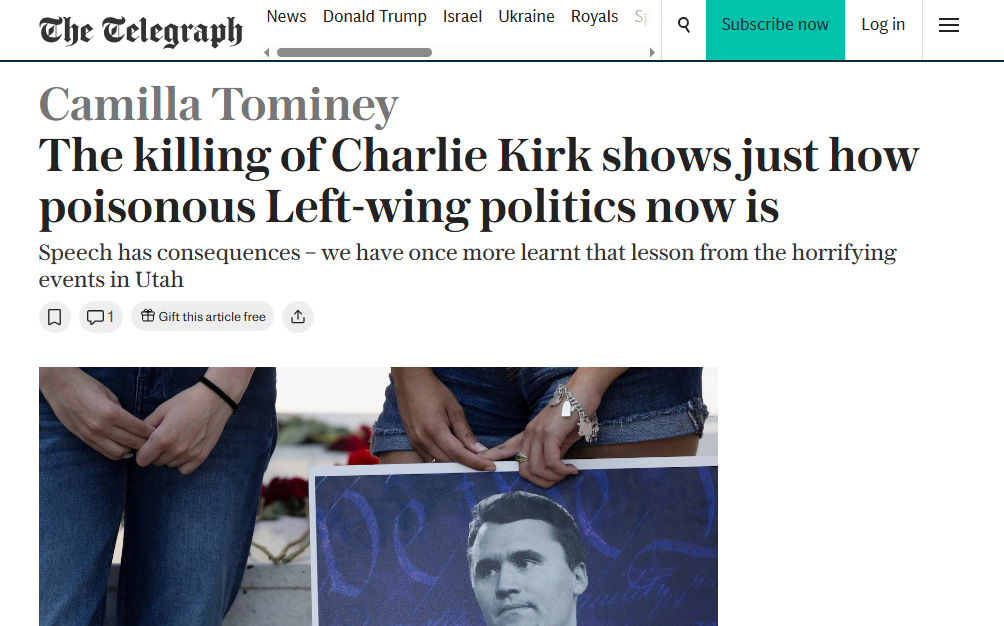
Camilla Tominey’s sainthood act for Charlie Kirk trades politics for piety. The Right already owns the machinery (press, finance, courts, police) and Kirk was part of the drive shaft. A death certificate doesn’t wash clean a career built on making violence respectable.

Andrew Hindmoor’s Haywire offers a quietly devastating account of Britain’s long crisis, from Blair’s stage-managed optimism to Truss’s market-induced implosion, tracing how New Labour’s betrayals laid the foundations for a state that can no longer govern itself.

Kristi Noem’s visit to El Salvador’s mega-prison wasn’t about enforcing policy, it was about staging power for the camera in a theatre of authoritarian realism.
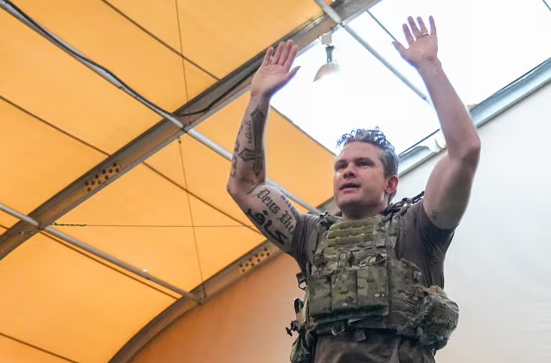
Pete Hegseth’s rise to Defence Secretary marks the moment Christian nationalism stopped playing insurgent and started running the world’s most powerful war machine.
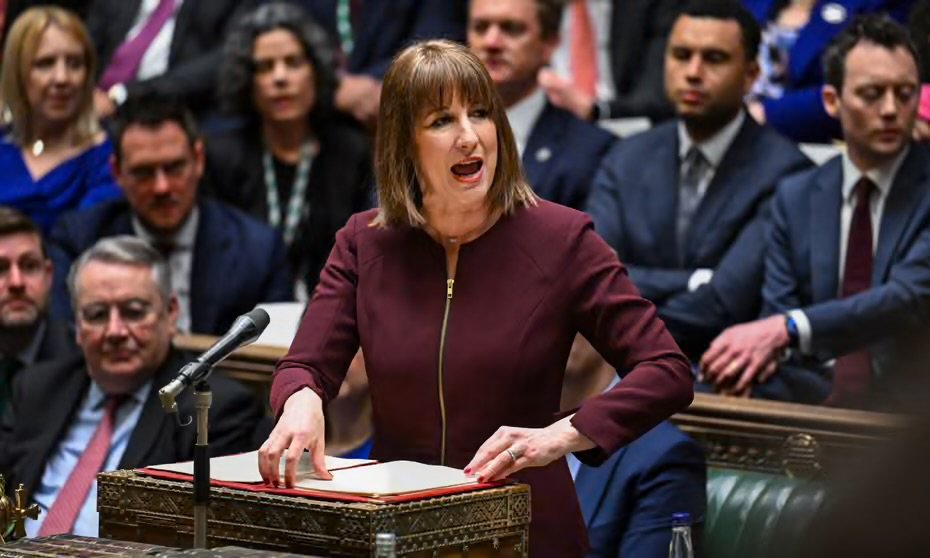
Rachel Reeves’s Spring Statement confirms what many suspected: Labour has embraced austerity not as necessity, but as ideology.

Resistance is a stark, tender, and unflinching record of a century of British protest, where the power of black-and-white photography turns acts of defiance into collective memory.
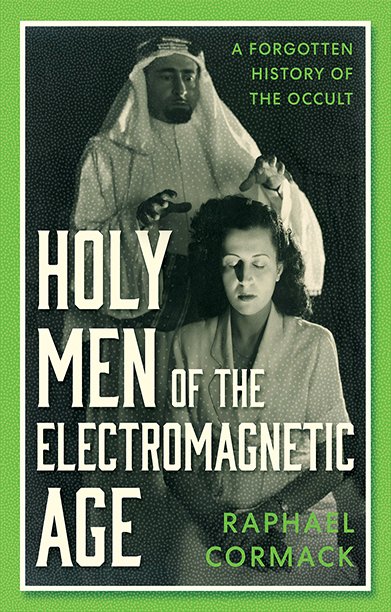
A shimmering portrait of an age when the rational order cracked, and something strange and holy slipped through.

Trump doesn’t defeat his opponents; he casts them, turning liberal conscience into spectacle, and transforming critique into the very script that keeps him centre stage.

A Minister for Men cannot rebuild the infrastructures of solidarity that were torn apart by decades of neoliberal consensus.

The Observer’s latest editorial on “biological sex” is less a defence of evidence-based policy than a reactionary lament for the loss of capitalist order disguised as administrative concern.

While Trump governs and the Democratic Party fragments, Sanders and AOC offer mass therapy disguised as mobilisation, nostalgia in place of a plan.